

Fall is the perfect season for home improvement projects—temperatures are cooler, schedules slow down, and it’s an ideal time to tackle long-awaited upgrades before winter arrives. However, renovation projects can also increase the risk of accidents, property damage, and unexpected costs if not managed properly. Many homeowners unknowingly trigger preventable homeowners insurance policy claims during construction, often due to inadequate coverage or unsafe practices.
Whether you’re remodeling a kitchen, replacing a roof, or adding an outdoor deck, understanding the common causes of renovation-related claims can help you plan smarter, stay compliant, and protect your investment.
Why Fall Renovations Pose Unique Risks
Unlike summer projects, fall renovations are often affected by unpredictable weather, shorter daylight hours, and tighter timelines before the cold sets in. These conditions can make even minor tasks—like exterior painting or siding replacement—riskier than expected. Wet leaves and slippery surfaces increase the chance of falls, while sudden temperature drops can damage materials like adhesives, concrete, or paint.
Homeowners also face additional liability when contractors, electricians, or plumbers work on-site. Without proper safety measures or insurance documentation, injuries or damages can lead to costly legal and general liability insurance claims. The key is preparation—both in terms of safety planning and insurance coverage.
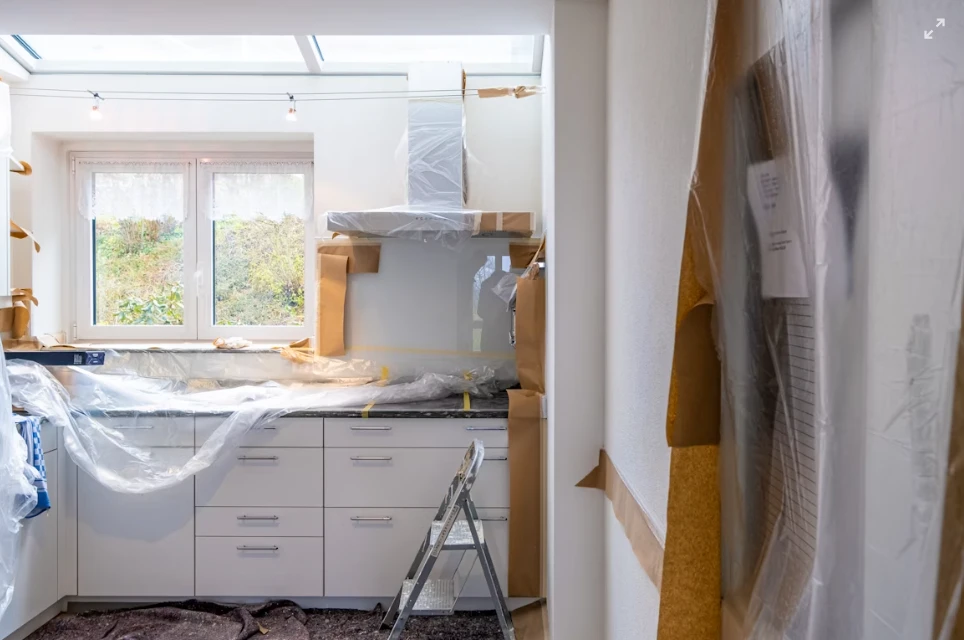
Common Fall Renovation Claims and How to Avoid Them
1. Water Damage from Roof or Gutter Repairs
Clogged gutters and unfinished roofing can allow water to seep into walls and foundations. Always check weather forecasts before starting exterior work, and ensure tarps or protective covers are used during overnight projects. Updating your homeowners insurance policies ensures coverage for any weather-related mishaps.
2. Fire Hazards During Electrical Upgrades
Old wiring and overloaded circuits are leading causes of house fires during renovations. If you’re upgrading your electrical system, hire a certified electrician and confirm that all installations meet local safety codes. Routine inspections reduce the risk of claims and may even lower your property insurance premiums.
3. Injuries on the Worksite
Falls, cuts, and equipment-related injuries are among the most common incidents during home renovations. If you’re hiring professionals, verify that they have workers’ compensation insurance to cover injuries. For DIY projects, use proper safety gear, secure ladders, and never work alone on high surfaces.

4. Structural or Foundation Damage
Removing walls or modifying load-bearing areas without professional guidance can cause severe structural damage. Consult a licensed contractor before major changes and verify that your umbrella insurance provides sufficient protection against potential liabilities.
5. Theft or Vandalism of Tools and Materials
Leaving tools or building materials outside overnight can attract theft or vandalism. Store all equipment in a locked garage or shed, and consider construction coverage if you’re managing large-scale renovations that include valuable assets or machinery
Updating Your Insurance Before Starting Renovations
Before breaking ground on any project, contact your insurance advisor to review your current coverage. Many homeowners assume their policy automatically covers renovations, but that’s not always the case. Projects that increase your home’s value—such as adding a bathroom or finishing a basement—may require higher coverage limits.
Your insurance provider may recommend additional protection, such as builders risk insurance, which covers damage to materials and structures under construction. You should also review your personal auto insurance if you’re using your vehicle to transport building supplies or equipment regularly.
If contractors are involved, request proof of insurance that includes employment practices insurance and professional liability insurance to ensure accountability for their work. Without proper documentation, any accidents or mistakes could fall under your own liability, leading to potential disputes or claim denials.
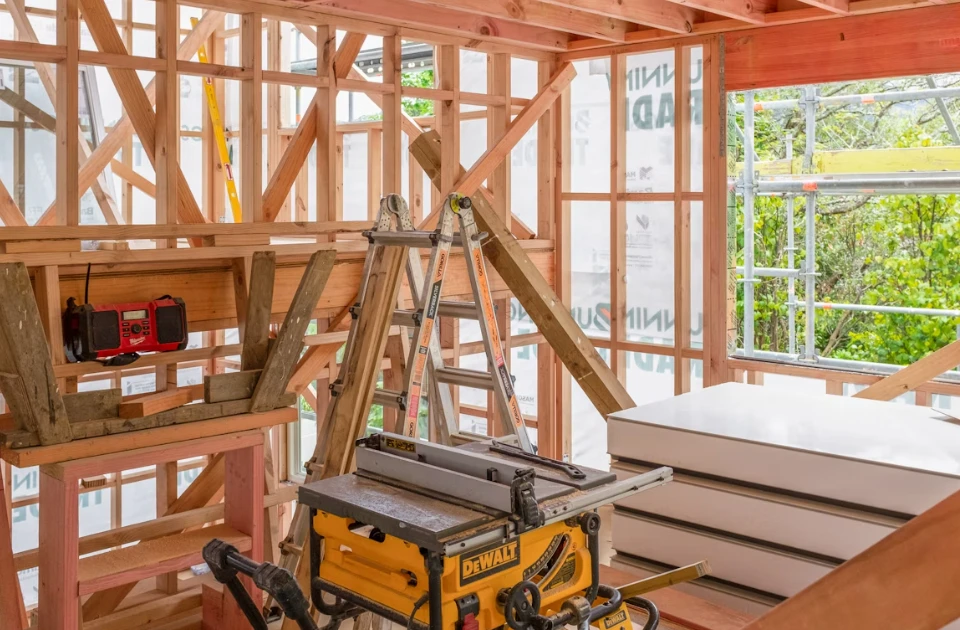
Safety and Planning Tips to Minimize Risk
1. Plan for the weather. Schedule exterior projects early in the fall when the weather is more predictable, and prepare for temperature drops that can affect materials and adhesives.
2. Protect interior spaces. Use dust barriers and floor coverings to prevent damage to flooring, furniture, or HVAC systems.
3. Communicate with contractors. Regularly discuss project progress, potential hazards, and safety protocols. Clear communication helps reduce misunderstandings that lead to damage or claims.
4. Check smoke detectors and fire extinguishers. With electrical and heating systems often in use during renovations, ensuring fire safety readiness is essential.
5. Secure your property. Install motion sensors or temporary security cameras if the project extends into the evening or involves valuable materials stored outside.
Understanding Coverage Exclusions
It’s important to understand that not all renovation-related damages are automatically covered. For instance, if a project causes pollution or chemical spills, cleanup costs may not be included unless you have pollution insurance or a related endorsement. Similarly, accidental damage from unlicensed work may void certain parts of your policy.
If you manage multiple properties, including rental or vacation homes, a customized insurance strategy—such as combining homeowners insurance policies with umbrella insurance or general liability insurance—can ensure broader protection across all assets.
The Cost of Skipping Coverage Updates
Failing to update your policy after major renovations can lead to underinsurance. If your home’s value increases but your coverage limits remain the same, you risk significant out-of-pocket expenses in the event of a claim. In addition, certain upgrades—like high-end fixtures or new smart home systems—may not be covered under your existing plan.
Insurance adjustments are typically affordable compared to the potential financial loss from an uncovered incident. Regular policy reviews also give you a chance to identify gaps, explore premium discounts, or bundle coverages for better savings.
Before beginning any fall renovation project, safeguard your home and finances with expert guidance from Tooher-Ferraris Insurance Group.
With over 90 years of trusted experience, their specialists help homeowners assess risks, prevent accidents, and update homeowners insurance policies to match property improvements. Their services extend across umbrella insurance, general liability insurance, and commercial property insurance, ensuring comprehensive protection for every stage of your renovation.
Beyond property coverage, Tooher-Ferraris Insurance Group also offers employment practices insurance, employee benefits consulting, human capital management services, and HR consulting services to help businesses and individuals stay secure.
Don’t let renovation risks turn into costly setbacks—partner with Tooher-Ferraris Insurance Group for tailored solutions that protect what matters most. Contact their team today to review your coverage or get a quote for their services.
About the Author:
The author is a property insurance specialist and home safety writer with over 12 years of experience covering risk prevention, renovation planning, and homeowners insurance strategies. She’s passionate about helping families protect their homes through every season—one well-planned project at a time.



























Sign in to leave a comment.