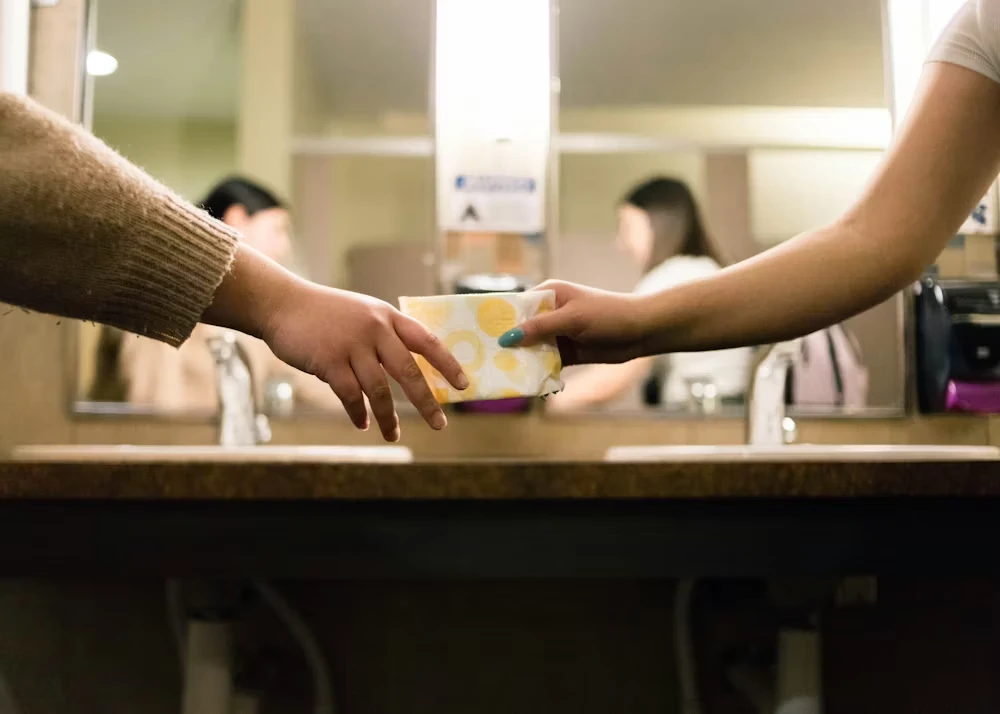

For many years, society treated menstruation as a topic only for women and girls. You might have noticed that when the subject comes up, men and boys often leave the room or look away. This separation creates a gap in understanding that leads to teasing and isolation for those who have periods.
By implementing menstrual awareness programs for schools that include all genders, you start to fix this problem from a young age. When boys learn about the biological facts of the menstrual cycle, they stop seeing it as a mysterious or gross event. This change in perspective is a major requirement for reaching true gender equality in your community.
Building Empathy and Removing Teasing
When you exclude boys from these conversations, you allow myths and stereotypes to grow. Boys who do not understand what is happening to their sisters or classmates might make jokes that cause real emotional pain. Providing clear, factual information helps boys develop empathy for the physical discomfort and emotional changes that often accompany a period.
You can see the difference in a classroom where everyone is educated; there is less bullying and more practical support. Instead of laughing at a visible stain or a requested pad, an educated boy is more likely to offer help or simply treat it as a normal part of life. This creates a much safer environment for girls to focus on their studies without fear.
Strengthening Family and Community Bonds
The benefits of inclusive education extend far beyond the classroom and into the home. Fathers, brothers, and partners who understand menstrual health are better equipped to support the women in their lives. You might see a father who feels confident buying the correct supplies for his daughter or a brother who understands why his sister might need extra rest.
When men are comfortable discussing these topics, they can help break down barriers in workplaces and public spaces as well. This shared knowledge ensures that the responsibility for managing menstrual health does not fall solely on women. It turns menstruation into a standard health topic that the whole family can handle together with dignity.
Creating Long-Term Cultural Change
Involving boys in this education is a strategy for long-term improvement in public health. These boys will grow up to be policy makers, managers, and teachers who have the power to influence how society handles hygiene. You are essentially training the next generation of leaders to recognize that period products are as necessary as soap and water.
If a manager understands the realities of menstruation, they are more likely to support fair restroom policies and access to supplies in the office. This broad cultural shift starts with a simple lesson in a middle school classroom. By teaching everyone today, you ensure a more supportive and informed world for the people of tomorrow.

Final Summary and Next Steps
Achieving gender equality requires everyone to participate in advocating for menstrual dignity and rights. You can help by supporting community initiatives for menstrual health that bring people of all backgrounds together. When we partner with nonprofits supporting menstrual health, we give every student the tools they need to succeed without shame.
Niska Utpat and Kaanchi Utpat, two teenage sisters, established the Utpat Foundation. This nonprofit focuses on uplifting people in need through programs related to health, learning, and long-term community growth. You can listen to their podcast, "Girlhood Unfiltered," on platforms like Spotify, Apple iTunes, Amazon Audible, and Google Podcasts. Additionally, their YouTube channel, "Utpat Sisters," has grown to over 4.7K subscribers and more than 279K views. The organization remains dedicated to building a society where everyone is included and has the chance to do well.
About the Author
The author is a community health writer and advocate who focuses on social development in diverse neighborhoods. She works to provide clear health information to families and schools to help reduce social barriers. She believes that teaching everyone about health leads to stronger, more supportive communities where every young person can succeed.































Sign in to leave a comment.