
Rental property risk has changed materially over the last decade. Losses are no longer driven only by storms or tenant negligence. Water damage, electrical faults, fires, vandalism, and cyber exposure tied to connected systems now account for a growing share of claims. According to insurer loss data published by the Insurance Information Institute, water-related damage alone represents nearly 24 percent of all residential property losses, often exceeding fire claims in frequency.
Smart devices are no longer optional conveniences. They are becoming core tools in modern risk management, particularly as carriers increasingly reward prevention over post-loss response.
Smart Security Systems and Liability Reduction
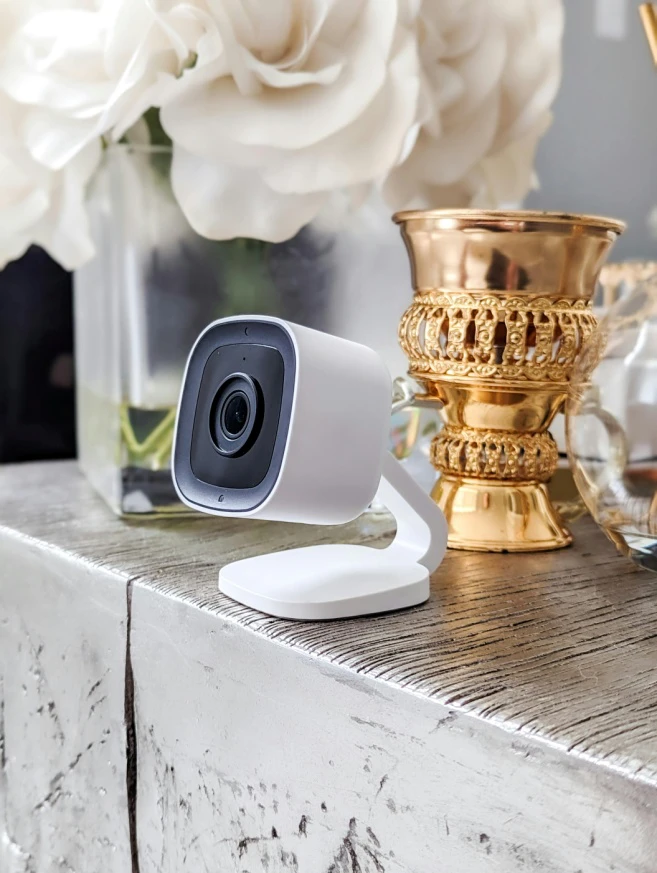
Modern smart security systems extend far beyond cameras and alarms. Integrated platforms now combine motion detection, AI-assisted video analytics, access control logs, and remote monitoring. These systems help document incidents, deter theft, and reduce false claims.
From an insurance perspective, strong security infrastructure supports general liability insurance and professional liability insurance defenses by creating time-stamped evidence. In multi-unit rentals or managed properties, this data can be critical when allegations involve injury, property damage, or failure to maintain safe premises.
Security systems also intersect with governance risks. Property owners operating through LLCs or management companies increasingly face scrutiny similar to other operating businesses. While not always directly applicable, broader risk structures such as directors and officers insurance and executive risk insurance are often discussed alongside physical security when portfolios scale.
Leak Detection and Water Damage Prevention
Water damage remains the most expensive and disruptive loss category for rental properties. Smart leak detection sensors placed near water heaters, washing machines, under sinks, and within walls can detect moisture within seconds. Advanced systems automatically shut off water supply when abnormal flow patterns are detected.
A 2024 study by the Insurance Institute for Business & Home Safety found that early leak detection reduced average water damage claims by over 70 percent in properties using automated shutoff technology.
From a coverage standpoint, these systems directly support commercial property insurance outcomes by reducing claim severity. In condominiums and managed communities, they are increasingly encouraged by boards carrying condominium association insurance services, where a single leak can trigger multiple unit claims.
Environmental exposure is another consideration. Prolonged leaks can lead to mold, contamination, and runoff issues that may trigger exclusions without proper mitigation. Smart detection supports compliance with policies addressing pollution insurance concerns.
Fire Prevention and Electrical Monitoring
Fire losses remain less frequent than water damage but far more severe. Smart smoke detectors, heat sensors, and electrical monitoring devices now provide continuous oversight rather than reactive alerts. These systems can identify overheating circuits, failing breakers, or appliance faults before ignition occurs.
Electrical fires are often linked to aging infrastructure, particularly in older rental stock. Smart load monitoring devices flag abnormal energy consumption patterns that precede failures. This technology directly complements equipment breakdown insurance, which addresses mechanical or electrical failure but often excludes losses that could have been prevented through maintenance.
For landlords managing larger portfolios or mixed-use properties, these systems also reduce exposure tied to workers’ compensation insurance services, as maintenance personnel face fewer emergency response scenarios.
Smart Monitoring, Documentation, and Claims Defense
One of the least discussed advantages of smart devices is documentation. Time-stamped logs, sensor histories, and video records create objective evidence that supports claims handling and dispute resolution.
This documentation is increasingly relevant in disputes tied to errors and omissions insurance or professional liability insurance, particularly when property managers are accused of delayed response or negligence. Data-backed timelines often determine whether a claim escalates or resolves quickly.
Smart monitoring also intersects with employment practices insurance when on-site staff or contractors are involved, providing clarity around access, response times, and incident handling.
Cyber Risk in Connected Properties
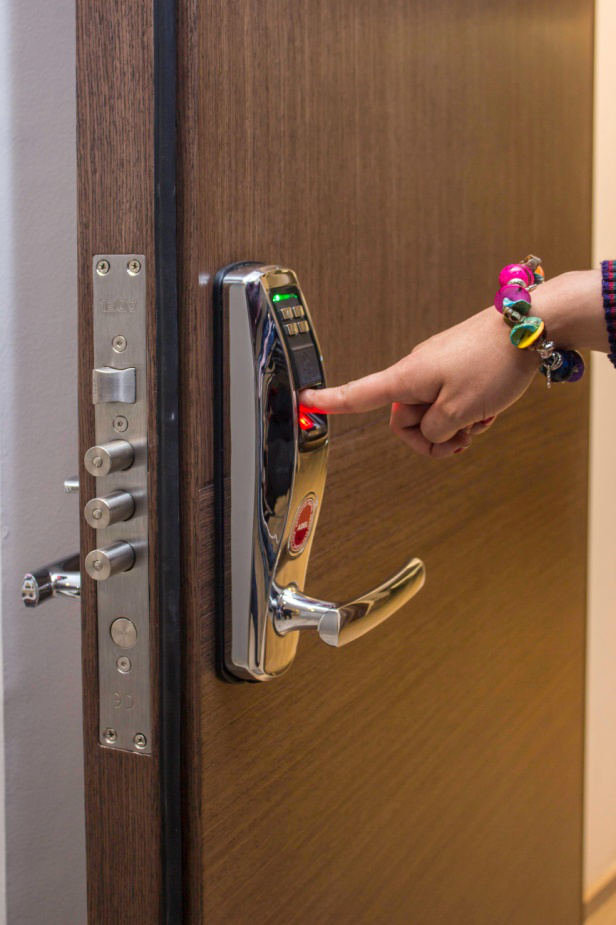
As rental properties adopt smart devices, cyber exposure becomes unavoidable. Smart locks, cameras, HVAC systems, and monitoring platforms rely on cloud connectivity. A compromised system can expose tenant data, access credentials, or security footage.
This is where cyber liability insurance becomes relevant, even for property owners who do not view themselves as technology operators. Data breaches tied to property systems now represent a growing subset of small-business cyber claims.
Strong device selection, encryption standards, and vendor due diligence reduce risk, but insurance alignment remains essential as regulators tighten data protection requirements across jurisdictions.
Smart Technology and Specialty Property Risks
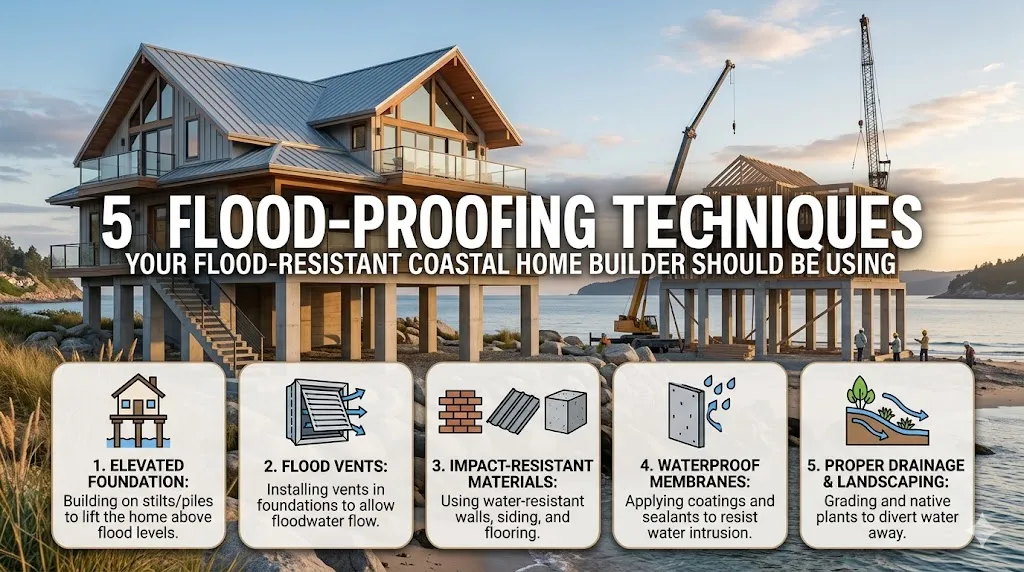
Not all rental properties are traditional apartments. Vacation rentals, waterfront homes, and specialty properties introduce unique exposure. Smart bilge monitors, engine sensors, and location tracking devices are increasingly used to support boat insurance for water-access rentals.
Rural or recreational properties may incorporate smart trail cameras or vehicle monitoring tied to ATV insurance coverage or commercial vehicle insurance when equipment is used for maintenance or guest access.
Owners storing specialty vehicles on-site may also benefit from monitoring systems aligned with classic car insurance or collectible auto insurance protection, particularly where properties double as storage or display locations.
Personal and Portfolio-Level Considerations
Many rental owners underestimate how property risk overlaps with personal exposure. Home-based management activities can blur lines between rental operations and homeowners insurance policies, especially when smart systems are installed across personal and rental spaces.
Long-term portfolio planning should also consider continuity risks. Disabling injuries or extended absences can disrupt management operations, making disability insurance for individuals, life insurance coverage, and long-term care insurance planning relevant considerations for owners with concentrated holdings.
Travel adds another layer. Remote property management often relies on monitoring while owners are abroad. Smart systems paired with travel insurance provide continuity during emergencies when physical presence is impossible.
The Role of Insurance Strategy in Smart Risk Reduction
Smart devices reduce losses, but they do not replace insurance. Instead, they reshape underwriting conversations. Insurers increasingly ask about installed technology during renewal, particularly for commercial property insurance, umbrella insurance placements.
In some cases, smart systems also influence unrelated lines. Documented risk controls can support favorable terms across broader portfolios that include employee benefits, custom home builder insurance, or even event-related exposures tied to short-term rentals that host gatherings requiring event insurance.
Turning Smart Technology into Smarter Coverage
Technology lowers risk only when it is aligned with coverage design. Tooher-Ferraris Insurance Group works with property owners to evaluate how smart devices interact with policy terms, exclusions, and underwriting expectations. Their approach focuses on translating prevention into protection that reflects how rental properties actually operate.
About the Author
The author is an independent contributor specializing in property risk, insurance design, and loss prevention trends affecting residential and mixed-use real estate portfolios. Their work emphasizes practical alignment between technology adoption and insurance outcomes.


























Sign in to leave a comment.