
In the business-to-business (B2B) world, eCommerce is no longer just a channel—it’s a strategic enabler of growth, efficiency and customer experience. As AI increasingly reshapes how buyers search, evaluate and purchase, B2B E-commerce Enablement thrive in this new era.
What is B2B eCommerce Enablement?
“Enablement” in this context means equipping your organization with the tools, processes, culture and digital architecture needed to sell, service and support customers through eCommerce channels—rather than relying purely on traditional sales, phone calls, or manual processes. Key elements include:
- A digital storefront or marketplace designed for B2B buyers (with volumetric ordering, complex pricing, multiple user roles)
- Backend integration: ERP, CRM, inventory, pricing rules, distributor/partner networks
- Digital buyer-experience: self-service portals, catalogs, search & filtering, data-driven recommendations
Why AI Changes Everything
The B2B purchase journey is being fundamentally transformed by AI. AI systems are becoming the first point of contact for buyers—they research, they evaluate, they synthesize information before a human ever talks to the vendor.
For enablement, this means:
- Your digital commerce system must serve not only humans but also AI agents and bots (which crawl/product-data and make decisions)
- The content and data you publish (product attributes, spec sheets, reviews, case studies) must be structured, machine-readable and reliable
- The buyer’s timeline is compressed: fewer steps, quicker decisions, fewer interactions with traditional sales.
- Internal systems (marketing, sales, service, eCommerce) need to be infinitely better aligned, as AI breaks down silos.
Core Pillars of Enablement in 2025
Data & System Integration:
If your commerce catalog, pricing engine, inventory and order management live in disconnected systems, your enablement is limited. An AI-aware B2B enablement strategy demands a unified data layer: product metadata, customer roles, purchase history, preferences.
Content & Searchability for Both Humans & Machines:
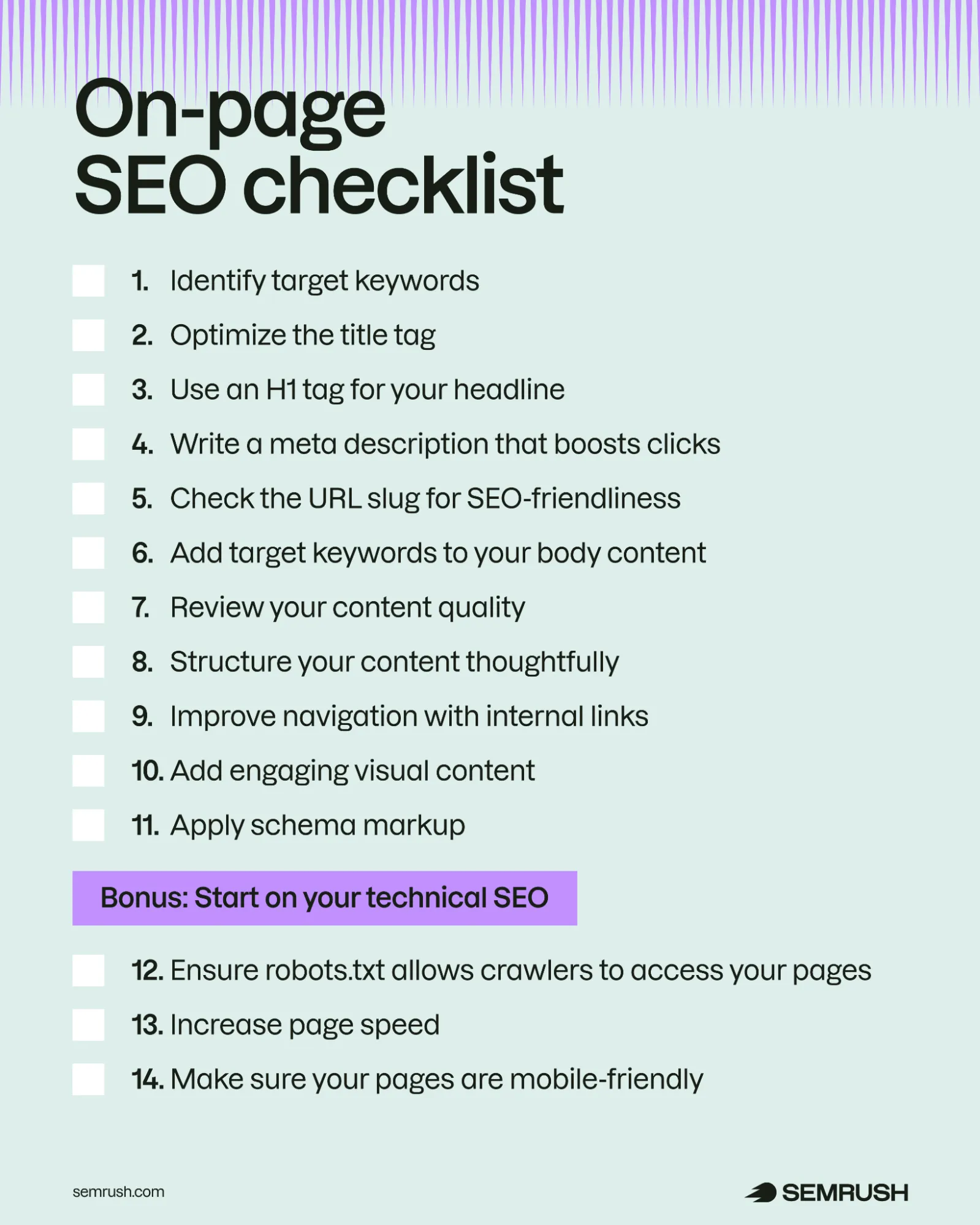
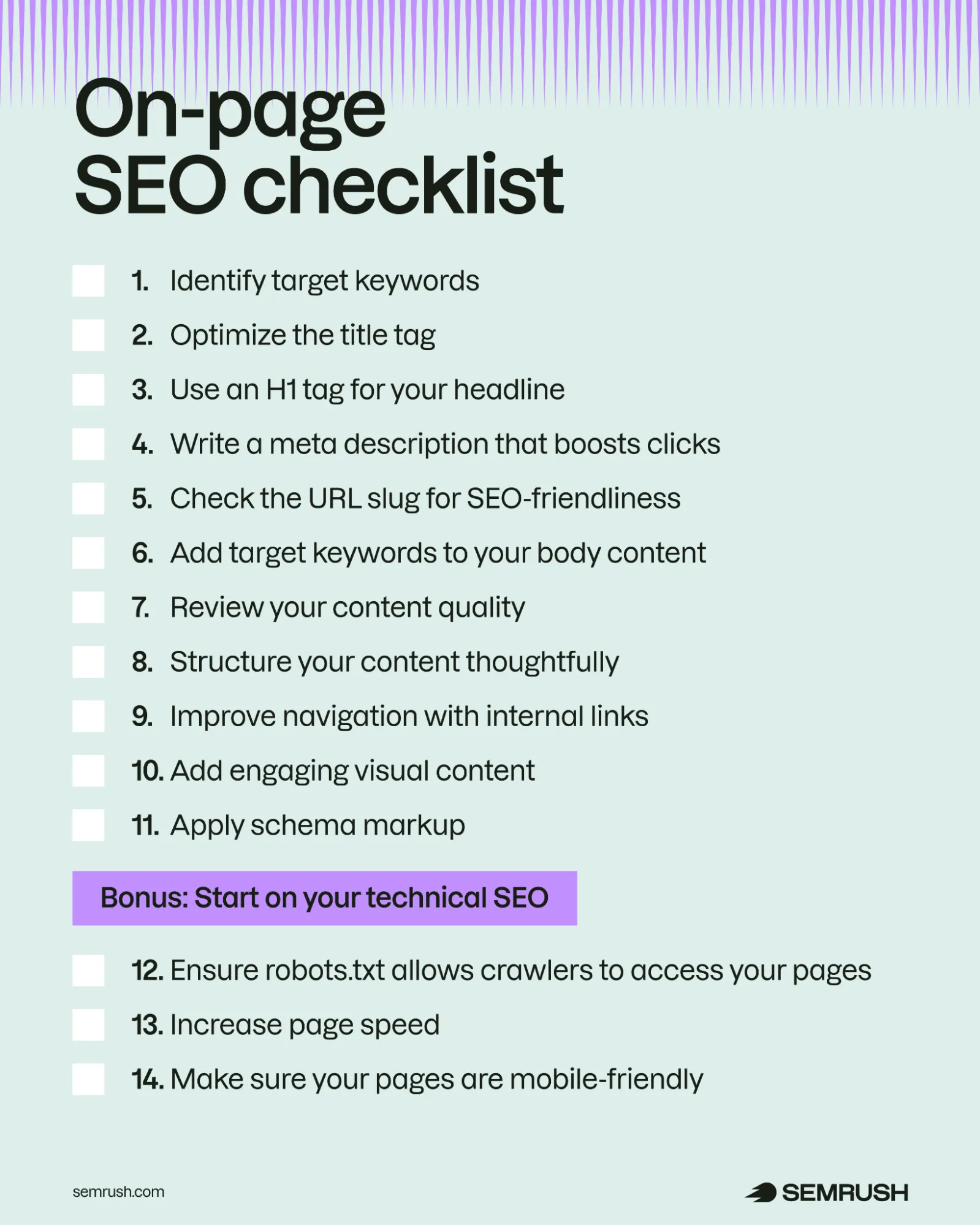
The go-to-market strategy must shift from persuasive content for humans to structured, credible content for machines (which then drive human decisions). So, product pages must include clear attributes, schema markup, authoritative citations, reviews and be optimized for generative search and conversational AI discovery.
Buyer Experience Tailored for Self-Service:
Today's B2B buyers expect experiences more like B2C: fast, intuitive, personalised. Yet they still require complex configurations, role-based dashboards, contract pricing, approval workflows. Enablement means building those experiences into your portal and supporting them with AI-driven recommendations and chat assistance.
Operational Automation & Intelligence:
Use AI to automate repetitive/low-value tasks in your commerce flow—lead qualification, order routing, pricing optimization, churn prediction. This frees sales and service reps to focus on strategic engagements, high-value customers and complex deals.
Organisational Readiness & Culture:
Enablement isn't just about tech: your teams must adapt. Sales, marketing and service must collaborate, share data, and reorient around digital commerce. Skills in data literacy, analytics and consultative selling become more important.
Benefits You Can Expect
- Faster buying cycles: With buyers doing more self-service and less sales hand-holding, you reduce time to order.
- Higher conversion and lower cost: Self-service reduces friction and cost per interaction.
- Better customer retention and value: AI-driven insights let you identify upsell/cross-sell opportunities, personalise offers and pre-empt churn.
Competitive differentiation: Many B2B firms are still behind—those who enable commerce well will win market share.
Challenges to Watch
- Data quality: AI and automation only work if the underlying data is clean, complete and consistent.
- Change management: Systems, roles, processes change. Without cultural buy-in, you risk under-utilisation.
- Machine-readable content: Transitioning to structured data, schema markup, citations may be unfamiliar.
Getting Started: A Roadmap
Audit your current eCommerce stack: catalog, pricing, order flow, user experience.
Map buyer journey: What steps do buyers take now? Where is friction? Where can self-service apply?
Clean and integrate your master data: unify product, customer, pricing/contract and inventory data.
Prepare content for machines: tag product metadata, apply schema markup, publish reviews and case studies.
Select targeted use-cases for AI/automation: e.g., product recommendation engine, dynamic pricing, predictive churn.
Redesign processes and roles: define how sales, service and marketing support digital commerce and position themselves as strategic advisors.
Measure and iterate: pick KPIs beyond clicks—things like conversion rate from self-service portal, average order size, repeat purchase rate.
Build culture: train teams, communicate change, emphasise collaboration and digital proficiency.
Conclusion
B2B eCommerce enablement in 2025 is not optional—it’s a strategic necessity. As AI shifts the purchasing landscape, B2B organizations need to enable their commerce function for the dual audience of machines and humans. By aligning data, tech, experience and organisation—and by embracing structured content, automation and human-centered selling—you can transform commerce into a growth engine.
























Sign in to leave a comment.