


The moment you see blood in your baby's mouth or watch them cry from tooth pain, panic sets in. You're not alone. Thousands of parents face their child's first dental crisis without knowing what to do next. This guide walks you through common dental emergencies, when to seek help, and how to keep your little one safe until professional care arrives.
Understanding Common Dental Emergencies in Babies and Toddlers
Dental emergencies happen fast. One minute your baby is playing, the next they've fallen and injured their mouth. Knowing what counts as an emergency helps you respond quickly.
Knocked-Out Baby Teeth
Baby teeth can get knocked out during falls or accidents. Unlike adult teeth, you should not try to put a baby tooth back in place. This can damage the permanent tooth growing underneath. Instead, control any bleeding with clean gauze and reach out to an emergency dentist corpus christi right away for guidance.
Broken or Chipped Teeth
Chips and breaks are common in active toddlers. Rinse your child's mouth with warm water and save any pieces you can find. Apply a cold compress to reduce swelling. Contact your dental office to determine if immediate care is needed.
Severe Toothache
Persistent crying and refusal to eat might signal a serious toothache. Check for visible decay, swelling, or objects stuck between teeth. Never apply aspirin directly to gums, as this can burn tissue. A cold compress on the outside of the cheek can provide temporary relief.
Immediate Steps to Take During a Dental Emergency
Your response in the first few minutes matters. Stay calm so your child stays calm.
First, assess the situation. Is there bleeding? Can you see the injury clearly? Gently rinse your child's mouth with warm water to clean the area and get a better view of what happened.
For bleeding, apply firm but gentle pressure with clean gauze or a soft cloth. Most mouth bleeding looks worse than it actually is because saliva mixes with blood. If bleeding doesn't stop after 10 minutes of steady pressure, you need immediate medical attention.
Keep any tooth fragments or knocked-out teeth. Store them in milk or your child's saliva, not water. These pieces help your emergency dentist corpus christi understand the injury better and determine the best treatment approach.
When to Call an Emergency Dentist
Some situations need professional care right away. Others can wait until regular office hours. Here's how to tell the difference.
Call an Emergency Dentist Immediately If:
Your child has severe pain that doesn't respond to age-appropriate pain medication. You notice significant swelling in the face, gums, or around a tooth. A permanent tooth gets knocked out. There's uncontrolled bleeding after 10 minutes of pressure. Your child has trouble breathing or swallowing. You see signs of infection like fever, pus, or a bad smell from the mouth.
Schedule a Next-Day Appointment For:
Minor chips that don't cause pain. A lost baby tooth without other symptoms. Mild toothache that responds to comfort measures. Small cuts inside the mouth that stop bleeding quickly.
Prevention Tips Every Parent Should Know
Most dental emergencies can be prevented with simple safety measures.
Baby-proof your home by padding sharp corners and securing furniture. Never let babies walk or run with bottles, toys, or food in their mouths. Use age-appropriate car seats and ensure straps are properly adjusted.
Start dental care early. Wipe your baby's gums with a soft cloth after feedings. Once teeth appear, brush twice daily with a rice-grain sized amount of fluoride toothpaste. Schedule your baby's first dental visit by their first birthday or when the first tooth comes in. Avoid giving babies hard foods they can't chew safely. Cut grapes, cherry tomatoes, and other round foods into small pieces. Keep small objects that could cause choking away from curious mouths.
What to Expect During an Emergency Visit
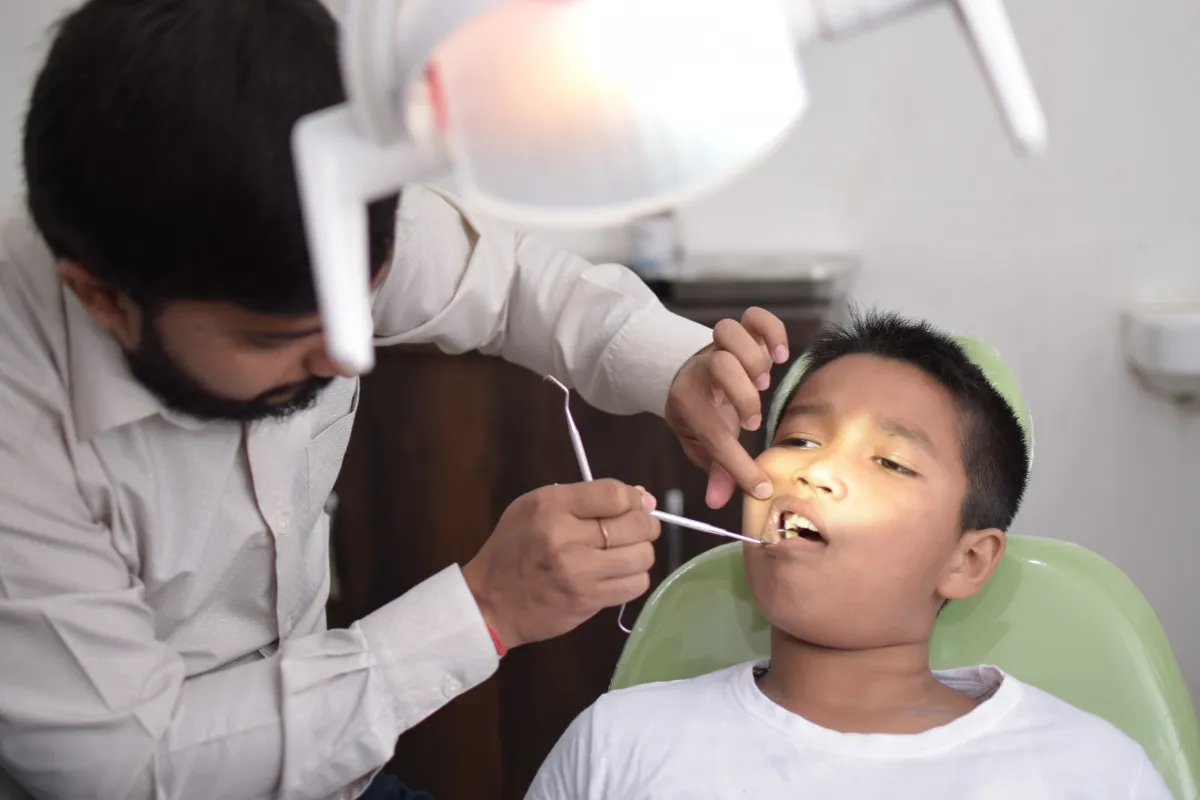
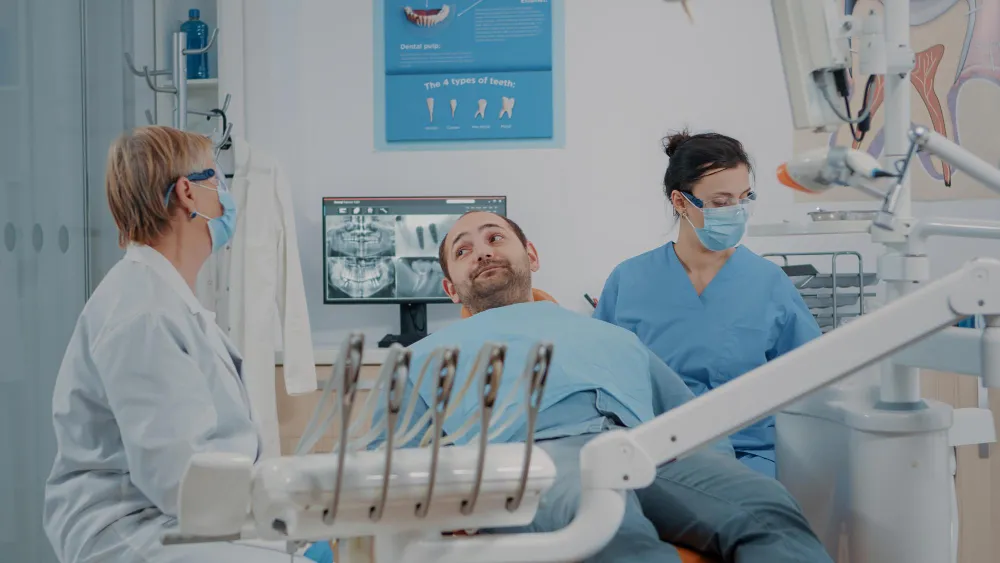
Knowing what happens during an emergency dental visit can ease your worry. When you arrive at an emergency dentist corpus christi, the dentist will first examine your child's mouth to understand the injury. They may take X-rays to check for damage you can't see.
Treatment depends on the problem. For infections, antibiotics might be prescribed. Broken teeth may need smoothing or temporary repairs. Pain management is always a priority.
Your dentist will explain each step and involve you in treatment decisions. They understand your child is scared and will work to make the experience as comfortable as possible.
Frequently Asked Questions
1. Can teething cause a dental emergency?
Teething is uncomfortable but rarely causes true emergencies. However, if your baby develops a high fever, refuses all food and drink, or has severe swelling, contact your pediatrician.
2. Should I take my child to the ER or dentist for a dental emergency?
Hospital emergency rooms can handle life-threatening situations but lack specialized dental equipment. For dental injuries, an emergency dentist better cares unless your child has trouble breathing or severe facial trauma.
3. What if my baby swallows a tooth?
Swallowed baby teeth usually pass safely through the digestive system. Monitor your child and call your pediatrician if you notice any unusual symptoms.
4. How can I manage my child's pain until we see the dentist?
Use age-appropriate doses of acetaminophen or ibuprofen as directed on the package. Cold compresses on the outside of the cheek can help. Never apply ice directly to gums.
5. Are baby teeth really that important?
Yes. Baby teeth hold space for permanent teeth, help with speech development, and allow proper nutrition. Losing them too early can cause problems later.
6. What counts as after-hours dental care?
After-hours care covers evenings, weekends, and holidays when regular dental offices are closed. Many practices have emergency numbers for urgent situations.
Conclusion
Dental emergencies are stressful, but preparation helps. Save your dentist's emergency number in your phone today. Keep a small dental emergency kit with gauze, a small container with a lid, and your dentist's contact information.
Don't wait for an emergency to find care. If you're new to the area or haven't established dental care for your child, schedule a consultation with an emergency dentist corpus christi. Many families contact a local dental office to build a relationship before problems arise. Your quick thinking and calm response can make all the difference in your child's dental emergency. Stay informed, stay prepared, and know that help is available when you need it most.

























Sign in to leave a comment.