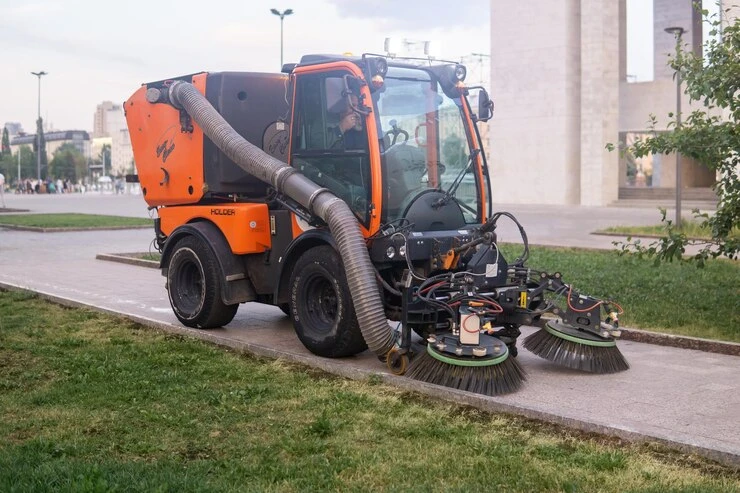

Street cleaning plays a pivotal role in maintaining urban areas, ensuring both cleanliness and safety. The technology behind road sweepers has evolved over time, and companies like Back to Black Road Sweepers are at the forefront of this innovation. These advanced machines are designed to efficiently remove debris and pollutants from road surfaces, contributing significantly to the overall environmental health of cities and towns.
In this article, we explore how road sweepers are changing the game in urban maintenance and how the advancements in street cleaning technology are shaping the future of our cities.
The Importance of Road Sweepers
Road sweepers are essential for urban upkeep, especially in busy areas that see high traffic. The process of street cleaning involves removing dirt, debris, litter, and sometimes pollutants that accumulate on road surfaces. If not addressed, this debris can clog drainage systems, pollute water sources, and contribute to an unkempt appearance in cities.
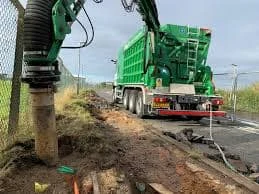
Road sweepers provide a quick and efficient solution for keeping streets clear of these unwanted materials. They use brushes, suction, and water jets to remove and collect debris, ensuring streets remain clean, safe, and inviting.
Technological Innovations in Road Sweepers
The road sweeping industry has come a long way with new technological advancements that not only improve cleaning efficiency but also address environmental concerns. The introduction of machines like the Back to Black Road Sweepers has revolutionized the way street cleaning is approached.
One significant improvement in modern road sweepers is their ability to use less water and energy while still delivering exceptional cleaning performance. The integration of advanced filtration systems has also made it easier to filter out fine particles and pollutants, preventing them from entering the environment.
Additionally, some newer models offer customizable settings that allow operators to adjust the sweeping intensity, brush speed, and suction power, ensuring optimal performance for various types of road surfaces.
Environmental Impact of Modern Sweepers
In the past, street sweeping often contributed to pollution in different ways, such as the dispersal of dust or the excessive use of water and chemicals. However, innovations in road sweeper technology have helped mitigate these environmental concerns. Modern sweepers, including the Back to Black Road Sweepers, are designed to operate with minimal environmental impact. They help prevent debris from being kicked up into the air, reducing dust and particulate matter. Furthermore, they collect and contain debris rather than scattering it, reducing pollution.
Moreover, many of the latest sweepers are powered by eco-friendly engines or alternative energy sources, making them an environmentally conscious choice for cities looking to reduce their carbon footprint.
Benefits of Regular Street Sweeping
Regular street sweeping provides several important benefits to cities and residents alike. One of the primary advantages is improved public health. Road debris often contains a range of contaminants, including dirt, litter, and pollutants that can negatively impact air and water quality. By using road sweepers to regularly clean the streets, cities can reduce the amount of harmful pollutants that linger in the environment.
Additionally, street sweeping helps maintain the aesthetic appeal of urban areas. Clean streets create a more pleasant atmosphere for residents and visitors alike, promoting a positive image of the area. Furthermore, clean streets reduce the risk of road accidents by preventing the buildup of debris that could cause slippery conditions or obstruct visibility.
The Role of Road Sweepers in Urban Planning
Urban planning is an essential aspect of creating sustainable, livable cities, and road sweepers play a crucial role in that vision. The regular use of road sweepers ensures that streets remain clean, reducing the strain on waste management systems and helping to manage the environmental impact of urban areas.
Urban planners must consider how street sweeping fits into their overall approach to managing a city. In many cities, road sweepers are scheduled to work during off-peak hours to minimize disruption to traffic. The introduction of more efficient sweepers has also made it possible to clean larger areas in less time, increasing productivity and reducing operational costs.
Cities are also starting to use data and analytics to improve street cleaning schedules and routes. By tracking pollution levels, weather patterns, and traffic flows, urban planners can make more informed decisions about when and where to deploy road sweepers.
The Future of Road Sweepers
As cities continue to grow, the demand for more efficient, environmentally friendly street cleaning solutions will only increase. The future of road sweepers looks bright, with innovations on the horizon that could revolutionize how street cleaning is performed.
The integration of autonomous and electric technologies is one potential development. Autonomous road sweepers would eliminate the need for human operators, allowing for more efficient and consistent cleaning operations. Additionally, the widespread adoption of electric sweepers would reduce emissions and noise pollution, contributing to a cleaner and quieter urban environment.
Artificial intelligence (AI) and machine learning could also play a significant role in future road sweeping technologies. By analyzing data on weather patterns, traffic conditions, and pollutant levels, AI could help optimize sweeping routes and schedules for maximum efficiency.
Challenges Faced by Road Sweeping Businesses
While road sweepers offer a wide array of benefits, there are still challenges that businesses in this industry face. One of the main challenges is ensuring that sweepers remain in good working condition, as these machines are subjected to heavy wear and tear. Regular maintenance and repair are essential for ensuring optimal performance and longevity of the machines.
Another challenge is managing the high operating costs associated with road sweeping. Though new technologies have made sweeping more efficient, the cost of acquiring and maintaining these advanced machines can still be a barrier for some municipalities and businesses. However, the long-term savings in environmental impact, health benefits, and overall efficiency can often justify the investment.
Conclusion
The role of road sweepers in maintaining urban cleanliness and environmental health cannot be overstated. Back to Black Road Sweepers are leading the charge in innovation, providing cities with effective, eco-friendly solutions to keep streets clean and safe. These advanced machines offer improved performance, reduced environmental impact, and enhanced cleaning capabilities. As cities continue to grow, the need for efficient street cleaning solutions will only increase, making road sweepers an indispensable tool in urban maintenance.
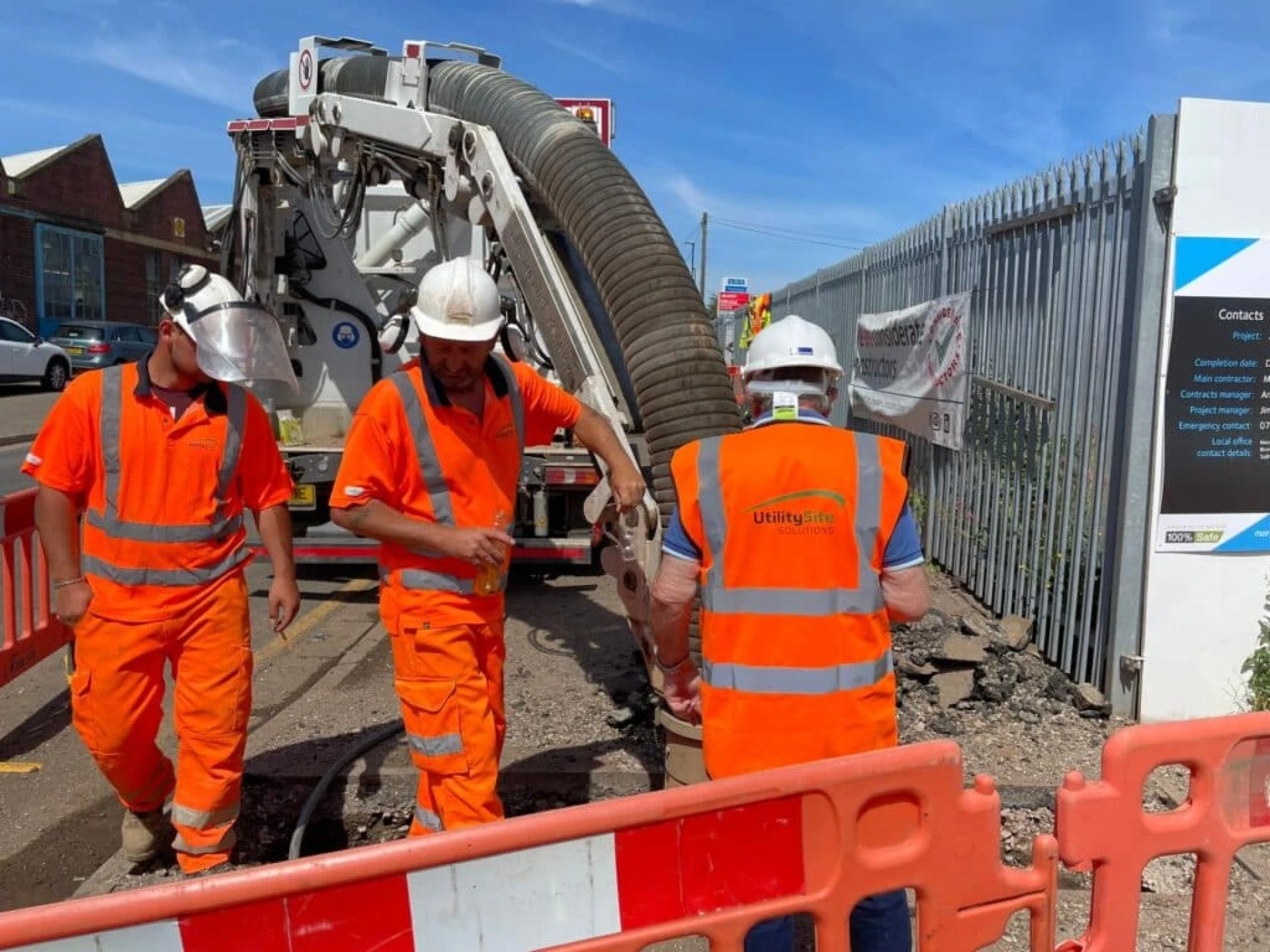
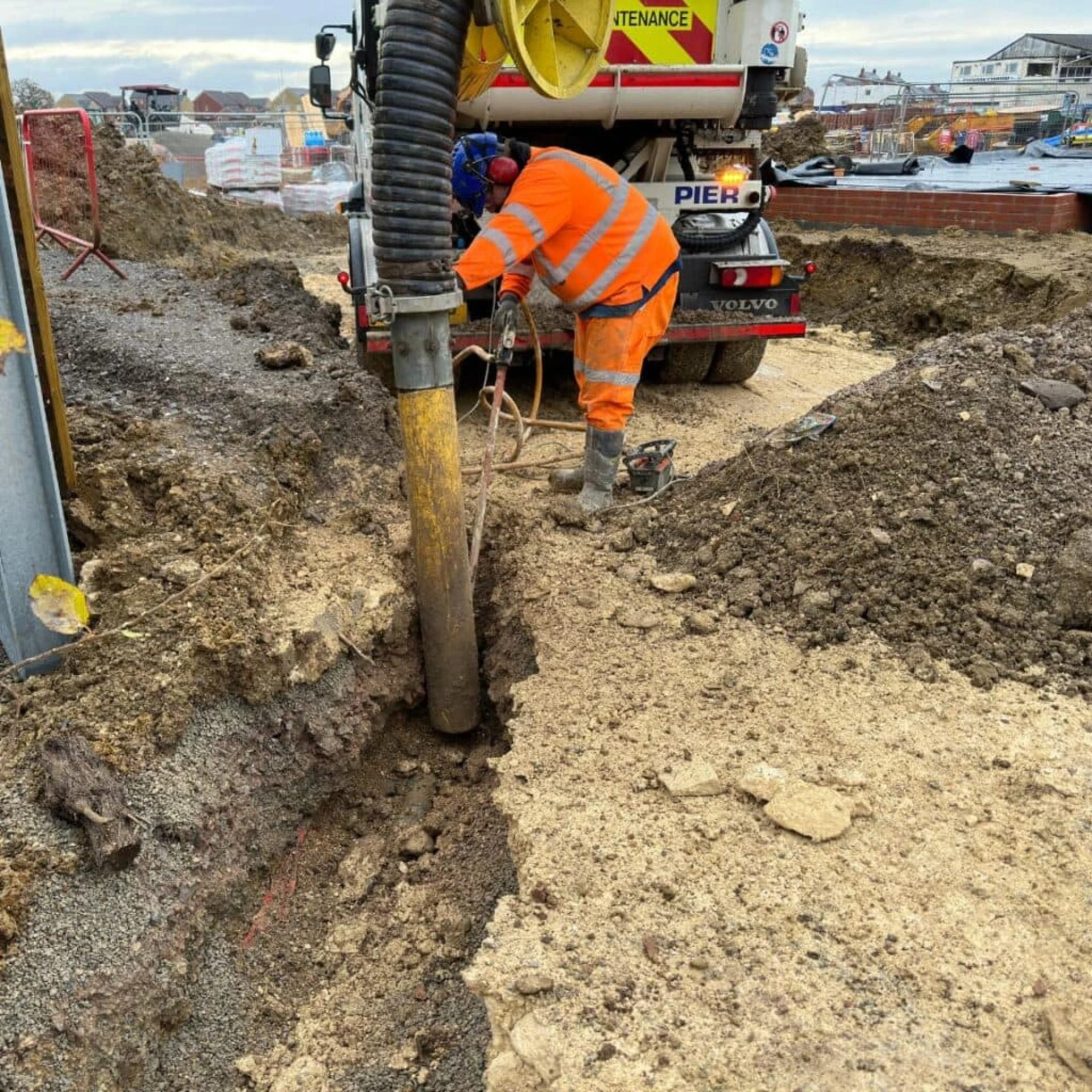
If you're looking for top-quality street cleaning solutions, consider reaching out to Utility Site Solutions for professional services that can help keep your streets clean and free of debris. Learn more at Utility Site Solutions and discover the innovative technology that is revolutionizing street cleaning today.
























Sign in to leave a comment.