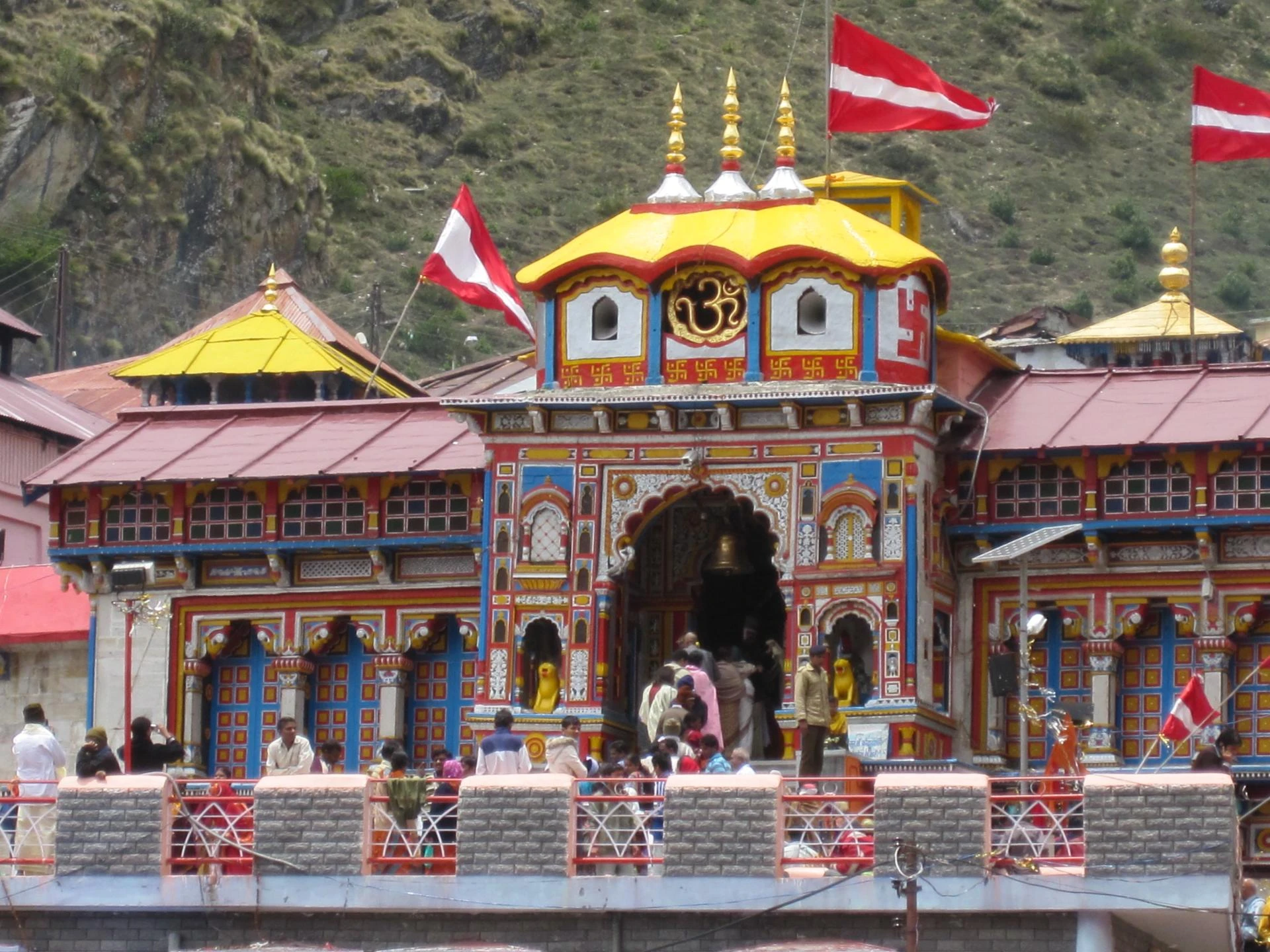

The Badrinath Yatra is not just a pilgrimage; it’s a spiritual journey that touches the soul and awakens the inner self. Situated in the Chamoli district of Uttarakhand, Badrinath is one of the four Char Dham sites and holds immense religious significance in Hinduism. Every year, thousands of devotees and travelers from across the globe undertake the Badrinath trip to seek blessings from Lord Vishnu, who is worshipped here as Badri Narayan.
From snow-capped peaks and glacial rivers to ancient legends and deep-rooted faith, Badrinath offers a divine blend of nature, mythology, and devotion. In this article, we’ll walk you through the complete Badrinath Yatra experience, including the route, places to visit, travel tips, and an overview of the Badrinath trip cost for different types of travelers.
The Spiritual Significance of Badrinath
Badrinath Temple, located at an altitude of 3,133 meters, is believed to be the place where Lord Vishnu meditated under the Badri tree for thousands of years. The temple is mentioned in various ancient scriptures, including the Vishnu Purana and Skanda Purana. The religious energy here is unmatched, and many devotees say the moment you step into the temple premises, you feel an inner calm and connection with the divine.
How to Reach Badrinath
- By Air: The nearest airport is Jolly Grant Airport, Dehradun (approx. 315 km). From there, one can hire a taxi or board a helicopter for faster access.
- By Train: The nearest railway stations are Rishikesh and Haridwar. From here, taxis or buses take you through scenic routes up to Badrinath.
- By Road: Badrinath is well-connected by motorable roads from Haridwar, Rishikesh, Dehradun, and other towns in Uttarakhand. It’s a popular route among both pilgrims and adventure lovers.
Badrinath Trip: What to Expect
The Badrinath trip is full of awe-inspiring landscapes, winding mountain roads, gushing rivers, and spiritual stops along the way. Many travelers prefer to stay at places like Joshimath, Pipalkoti, or Govindghat before heading to the temple.
Upon reaching Badrinath, pilgrims often take a dip in Tapt Kund, a hot water spring believed to purify the body and soul before entering the temple. The temple itself, with its bright facade and peaceful aura, is the centerpiece of the trip.
Nearby attractions include:
- Mana Village – The last Indian village before the Tibet border.
- Vyas Gufa – The cave where sage Vyas is said to have written the Mahabharata.
- Charan Paduka – A rock that is believed to bear Lord Vishnu’s footprints.
- Bheem Pul – A natural rock bridge with mythological significance.
Badrinath Trip Cost: Budget to Luxury
The Badrinath trip cost varies depending on the travel mode, accommodation, and level of comfort you seek. Here’s a breakdown of average costs:
Type of TripInclusionsApproximate Cost (Per Person)Budget Road TripBus/shared vehicle, guesthouse stay, basic meals₹10,000 – ₹15,000Mid-Range TourPrivate car, 2-3 star hotels, meals, sightseeing₹20,000 – ₹30,000Luxury PackageSUV/helicopter, premium hotels, guided tour, VIP darshan₹60,000 – ₹1,20,000
Prices may rise during peak season (May–June and September–October), and it's best to book in advance to avoid last-minute surcharges.
Best Time for Badrinath Trip
The temple opens around April/May and closes in October/November depending on weather. The best time to visit is:
- May to June – Pleasant weather and clear views.
- September to early October – Post-monsoon freshness and less crowd.
Avoid traveling during monsoon (July–August) due to landslides and roadblocks.
Tips for a Smooth Badrinath Yatra
- Pack wisely – Include warm clothes, rain gear, medicines, and trekking shoes.
- Start early – Mornings are ideal for temple darshan and travel.
- Acclimatize well – Spend a day in Joshimath if coming from plains.
- Stay hydrated and eat light – The altitude and travel can be tiring.
- Keep ID and medical documents handy – Especially for elderly or those with health conditions.
Conclusion: A Journey Worth Taking
A Badrinath trip is more than just visiting a temple—it’s about reconnecting with your roots, experiencing peace, and feeling one with the universe. Whether you go solo, with family, or in a group, the experience is unforgettable.
While the Badrinath trip cost can vary from budget to luxury, the spiritual value of the journey is priceless. No matter how you reach there—by road, foot, or helicopter—the blessings you receive and the memories you make are eternal.
So, prepare your heart, plan your journey, and get ready for a divine adventure into the Himalayas. Badrinath awaits.























Sign in to leave a comment.