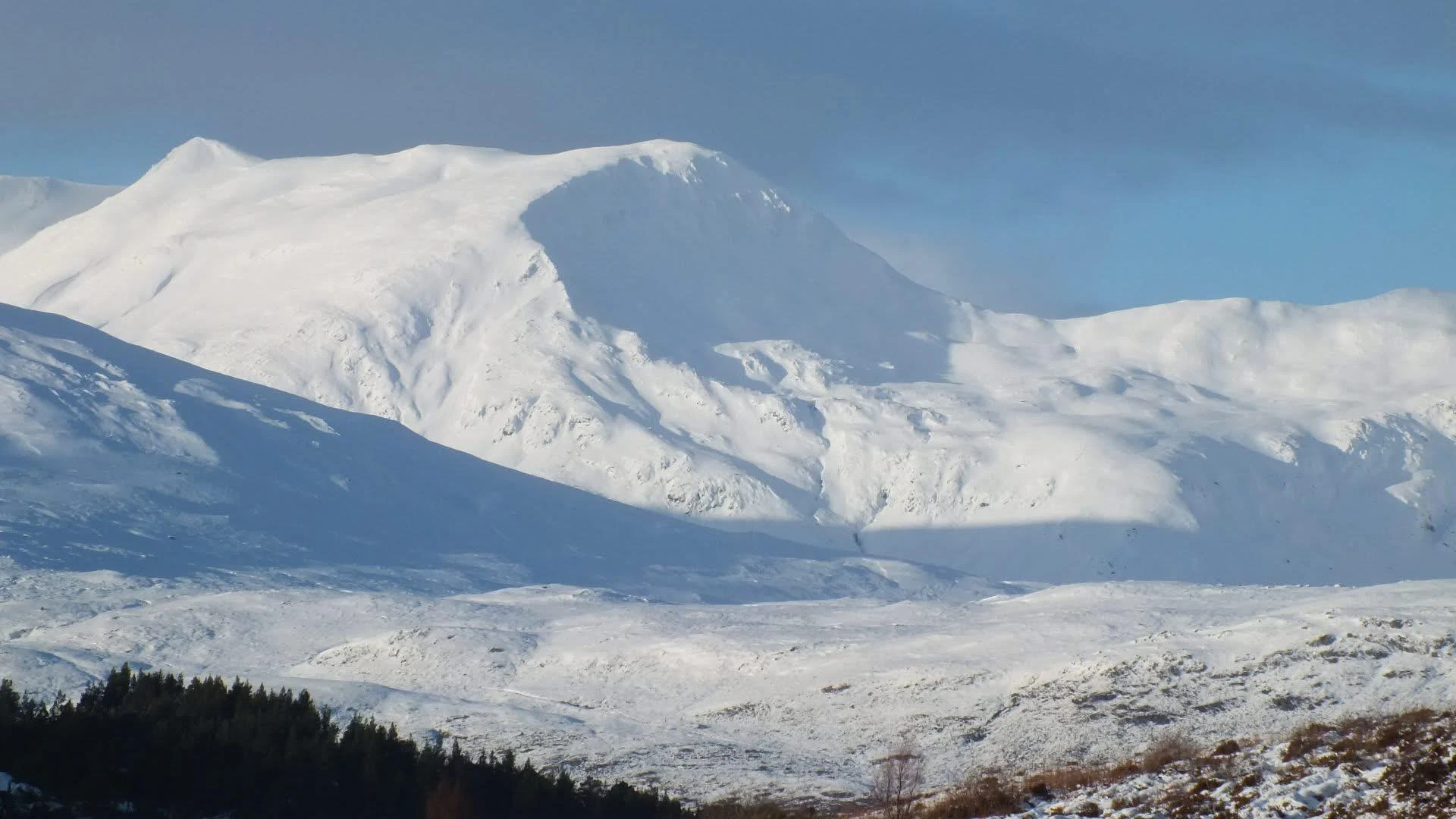

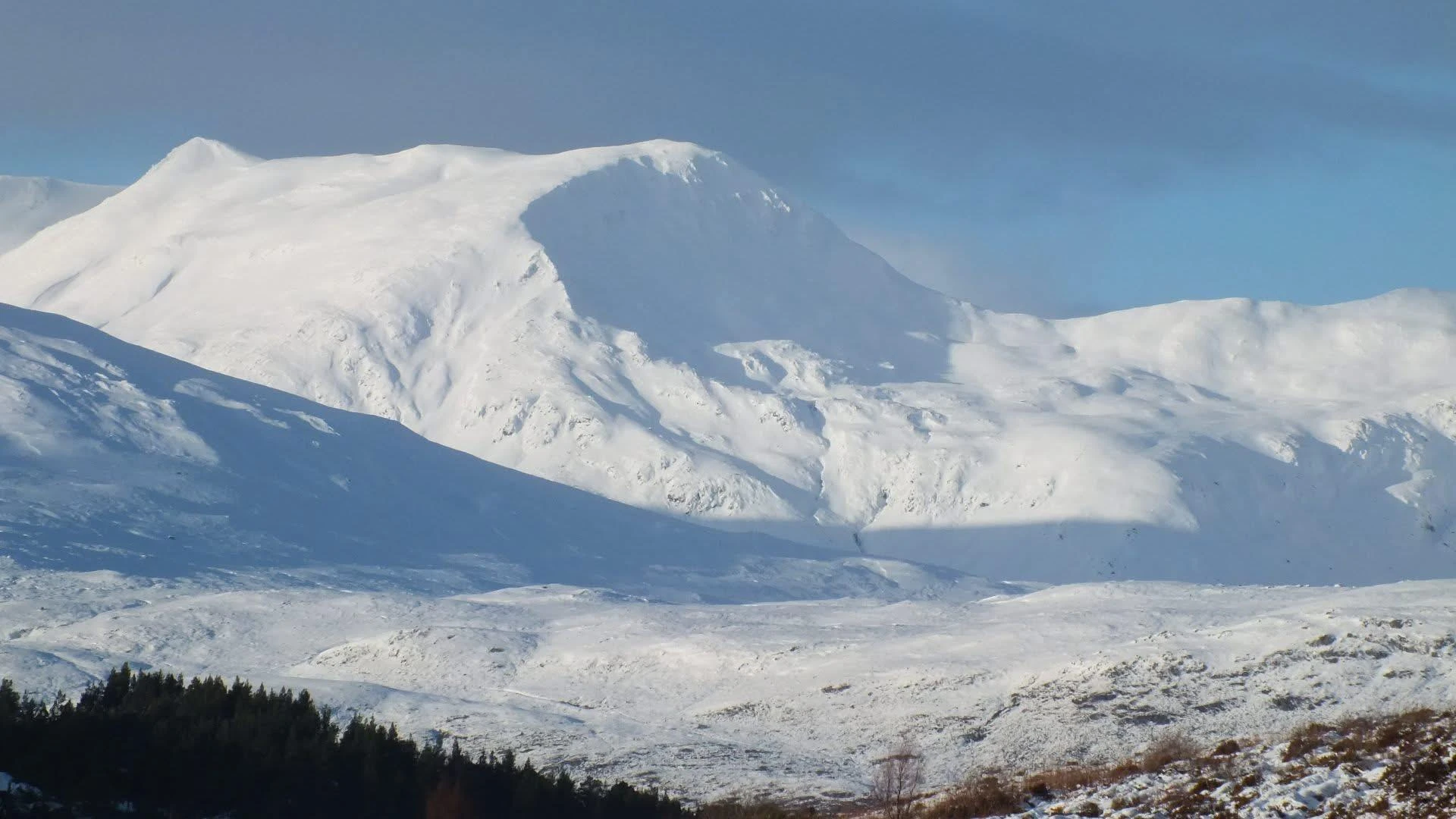
Winter Munro bagging in the Scottish Highlands is a seriously tough but rewarding experience. This guide covers the basics you need to tackle Scotland's highest peaks during the winter months. We'll get into the essential gear, including how to set up a camping shower tent to keep you going.
What is Winter Munro Bagging?
Bagging Scotland's 282 Munros in winter involves climbing to the top of these mountains from December to March. The Munros are named after Sir Hugh Munro, who listed them first back in 1891. In winter, these mountains become even tougher, requiring the right gear and lots of preparation.
The Scottish Highlands get pretty rough in winter, with temperatures plummeting to -15°C (5°F). Whiteout conditions are also pretty common. Higher peaks are covered in snow from November through April, making climbing a serious challenge that requires specialised gear.
Essential Winter Gear for Scottish Munros
Shelter and Camping Equipment
Camping in the winter near Munro peaks means you need a solid shelter. A tough four-season mountaineering tent that can handle really bad weather is crucial. On top of that, a camping shower tent gives you some much-needed private space to change clothes and stay clean when you're on long winter trips.
Cooking Systems and Nutrition
Having reliable cooking gear is really important. A good portable camping cookware system that can handle winter conditions is key to getting hot meals and drinks. When it's freezing, liquid fuel stoves work way better. And insulated cooksets prevent heat from escaping and make your stove more fuel-efficient.
Winter mountaineers need a lot of calories to stay energised in cold weather. A hot meal not only fuels their bodies but also brings warmth.
Planning Your Winter Munro Adventure
Route Selection and Timing
Start with easy-to-reach Munros near big cities like Ben Lomond or the Cairngorm peaks. You get only 6-7 hours of daylight in December and January. Choose routes that let you wrap things up way before it gets dark.
Weather windows are also crucial for winter attempts. Monitor Scottish Mountain Weather Information Service (MWIS) forecasts and postpone trips during storm systems or high avalanche risk periods.
Safety Considerations
Munro bagging in winter calls for avalanche awareness training and the right gear. If you're heading into avalanche terrain, carry an avalanche transceiver and shovel. And in case things go downhill, it's good to have a backup plan with emergency bivouac equipment.
Moreover, to stay safe, you'll need a GPS device with routes already set, along with detailed maps.
Munro Bagger has got you covered for winter mountaineering gear. They offer heavy-duty tents, winter mountain survival kits, and cooking systems that have been put to the test. The company's portable camping cookware sets are a great deal for winter mountaineers.
Physical Preparation and Fitness
Winter Munro bagging requires physical fitness and endurance. The cold weather really ramps up your energy expenditure, and deep snow and ice make for tough terrain. To tackle this, you need a solid fitness program that focuses on getting your heart rate up and having a stable core.
Get used to wearing full winter gear before tackling the big peaks. Heavy boots and layered clothing can throw off your balance and movement.
Navigation and Route Finding
Winter conditions can make familiar landmarks and trail markers hard to find. Load up detailed topographic maps on your GPS device and bring along some waterproof paper maps. Get comfy with using a compass and try out triangulation techniques in all kinds of weather.
Popular winter Munros, such as Ben Nevis and Cairn Gorm, have established winter routes but can be tricky to navigate. Read up on route descriptions to figure out the key bits to keep an eye out for.
Weather Monitoring and Decision Making
The weather in the Scottish Highlands can switch in an instant. Keep an eye on several weather sources, like MWIS, the Met Office mountain forecasts, and local weather stations. It's crucial to know how to read the signs of changing weather.
Highland valleys often get temperature inversions, which can make it feel pretty mild down low. No matter what it's like when you start, always be ready for the worst.
Emergency Procedures and Communication
Set up a communication plan with emergency contacts, letting them know when you expect to return. Bring emergency communication devices like personal locator beacons. Be aware of your limits and keep decision-making simple.
Key Takeaway
Winter Munro bagging in the Scottish Highlands is an adventure unlike any other. To make it happen, you'll need to plan carefully and bring the right gear, including a reliable camping shower tent and portable camping cookware that won't let you down.
Munro Bagger's specialised equipment selection provides valuable resources for winter mountain adventures. Their camping equipment, designed for Scottish Highland conditions, makes them an excellent resource for winter Munro baggers.
Remember that winter mountain conditions can be unforgiving. Invest in quality gear, develop essential skills, and always prioritise safety. The Scottish Highlands will provide lifetime memories for those who approach winter Munro bagging with proper preparation.

























Sign in to leave a comment.