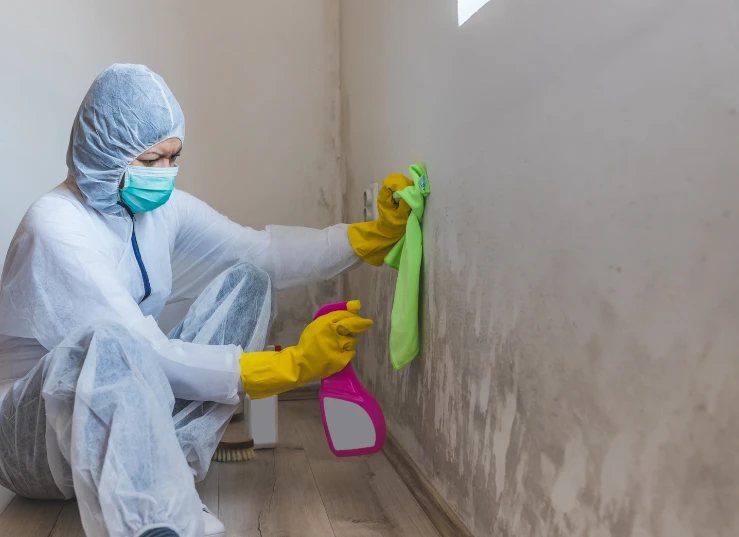

Basements, often dark and damp, are prime locations for mold growth. Mold not only damages property but also poses serious health risks. This guide will walk you through the process of basement mold cleaning, helping you maintain a safe and healthy environment in your home.
Understanding Basement Mold
Mold thrives in environments with moisture, warmth, and organic material. Basements often meet these conditions due to poor ventilation, leaks, or high humidity. Common signs of mold in basements include:
Musty odorsVisible mold spots on walls, floors, or ceilingsDamp or discolored areasHealth symptoms like allergies or respiratory issuesCauses of Basement Mold
Water Leaks: From plumbing, foundation cracks, or windows.Humidity: Poor ventilation and high humidity levels.Flooding: Previous water damage that wasn't properly dried.Condensation: On walls, floors, or pipes.Steps For Basement Mold Cleaning
1. Safety First
Before you begin cleaning, ensure you have the proper safety gear:
GlovesMask or respiratorGogglesLong sleeves and pants2. Identify and Fix Moisture Sources
To prevent future mold growth, address the source of moisture:
Repair leaks in plumbing, walls, or windows.Use a dehumidifier to control humidity levels.Ensure proper ventilation with fans or vents.Seal foundation cracks and improve drainage around your home.3. Remove Affected Materials
If mold has deeply penetrated porous materials like drywall, insulation, or carpeting, these materials may need to be removed and discarded. Seal them in plastic bags to prevent the spread of mold spores.
4. Clean Non-Porous Surfaces
For non-porous surfaces like concrete, metal, or tile, follow these steps:
Scrub with Detergent and Water: Use a stiff brush and a mixture of detergent and water to scrub the mold off the surface.Disinfect: After scrubbing, apply a disinfectant such as a bleach solution (1 cup of bleach to 1 gallon of water) to kill any remaining mold spores. Let it sit for at least 10 minutes before rinsing.Dry Thoroughly: Use fans, dehumidifiers, or heaters to dry the area completely. Mold can return if the area remains damp.5. Clean Porous Surfaces
For porous surfaces that you can’t remove, like wood:
Vacuum with HEPA Filter: Use a HEPA vacuum to remove loose mold spores from the surface.Scrub and Disinfect: Follow the same scrubbing and disinfecting process as for non-porous surfaces.Seal if Necessary: In severe cases, you might need to seal the cleaned surface with a mold-resistant primer or paint.6. Dispose of Contaminated Materials
Properly dispose of all contaminated materials in sealed plastic bags. Follow local regulations for disposal to ensure safety.
Preventing Future Mold Growth
Control Humidity: Keep basement humidity below 60% using dehumidifiers and proper ventilation.Regular Inspections: Regularly check for leaks, condensation, and signs of mold.Improve Drainage: Ensure proper drainage around your home to prevent water from seeping into the basement.Install a Sump Pump: Consider installing a sump pump if your basement is prone to flooding.Use Mold-Resistant Products: Opt for mold-resistant drywall and paint in areas susceptible to moisture.When To Call Professionals
For extensive mold infestations or if you have health concerns, it’s best to hire a professional mold remediation service. They have the expertise, equipment, and safety measures to handle severe mold problems effectively.
Conclusion
The basement mold cleaning is essential for maintaining a healthy living environment. By following these steps and taking preventative measures, you can effectively remove mold and prevent its return. If you encounter significant mold issues or health risks, don’t hesitate to seek professional assistance. Keep your basement dry, clean, and well-ventilated to ensure a mold-free home.
























Sign in to leave a comment.