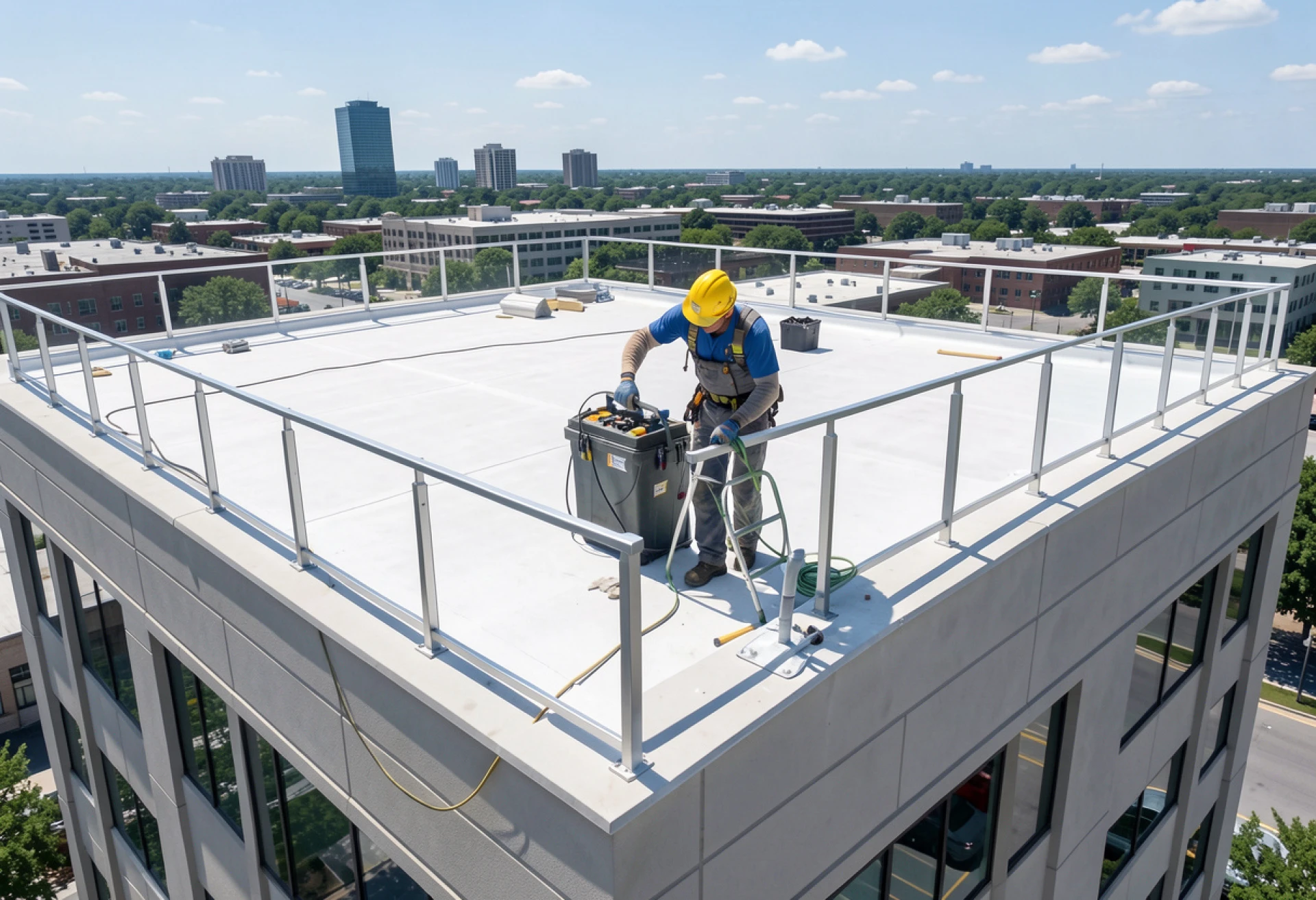
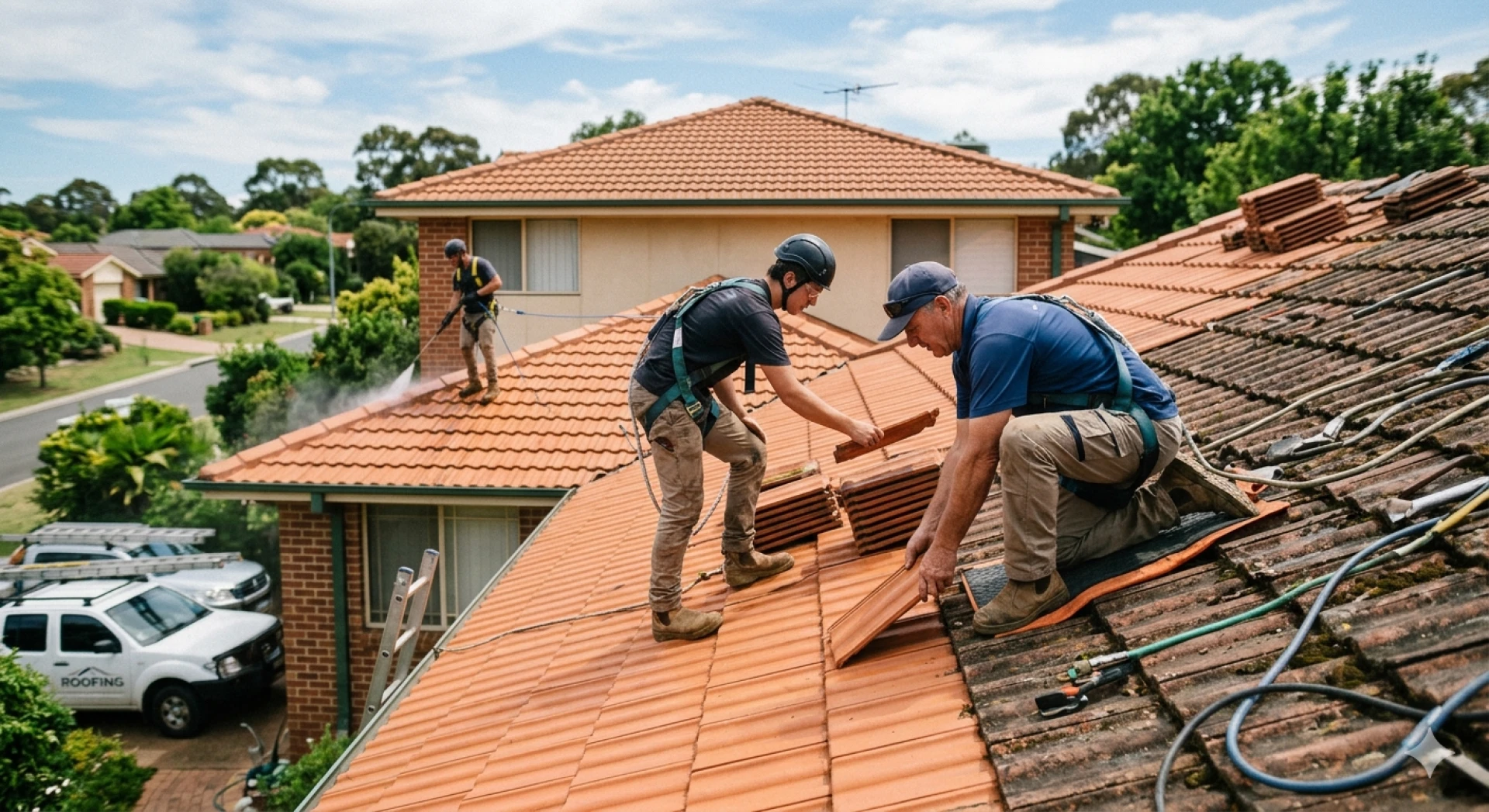
Routine roof maintenance is one of the simplest ways to protect a property from avoidable damage and long-term repair costs. Whether a building has a pitched structure or a low-slope design, consistent care helps preserve weather resistance, insulation performance, and structural stability. Many property owners in Northampton choose periodic inspections by flat roof contractors Northampton to better understand condition changes over time, but there are also several practical maintenance habits that can be followed independently.
The Significance of Frequent Roof Maintenance
Environmental stress is a persistent threat to a roof. Materials and seals are progressively impacted by precipitation, wind, UV radiation, debris buildup, and temperature changes. Small problems, such a tiny crack, a rising membrane edge, or a blocked drainage outlet, frequently start out small but, if ignored, can grow into leaks or structural degeneration.
Supports for preventive maintenance:
- Reliable waterproofing results
- Using entire insulating layers to save energy
- Extended lifespan of materials
- Early identification of damage or wear
- Reduced risk of internal moisture problems
Knowing how roofing systems work enables property owners to identify when maintenance is necessary.
Visual Inspections You Can Carry Out Without Risk
Although expert evaluations offer in-depth analyses, simple visual inspections can be conducted from a safe distance or from ground level. These inspections are especially helpful during periods of intense rain or wind.
Look for:
1. Standing Water
Flat and low-slope roofs rely on effective drainage. Persistent pooling suggests blocked outlets or insufficient slope. Over time, standing water increases membrane stress and accelerates deterioration.
2. Damage to the Surface
Blisters, splits, cracks, or exposed seams could be signs of environmental effect or material strain. Addressing surface problems in their early stages is much simpler than dealing with extensive degeneration.
3. Debris Build-Up
Drainage pathways may be blocked by dirt, moss, and leaves. Additionally, organic detritus holds onto moisture, which can harm supporting components and waterproof coatings.
4. Flashing Condition
Metal or membrane flashing around edges, vents, and junctions should lie flat and remain securely sealed. Displacement or corrosion reduces protection at vulnerable points.
Essentials of Drainage Maintenance
For contemporary roofing systems, proper drainage is essential. Water should flow freely in the direction of interior drainage systems, gutters, and outlets. Typical upkeep consists of:
- removing leaves and other debris from gutters and outlets
- Following storms, looking for obvious obstructions
- Keeping an eye on places where water tends to gather
- Making sure downpipes are not blocked
One of the most frequent causes of persistent roof issues is poor drainage. In the event that water retention continues, even premium materials may function poorly.
Considerations for Seasonal Maintenance
The performance of roofs faces different obstacles depending on the season. Maintaining constant protection requires modifying maintenance awareness appropriately.
Spring and Summer
Warmer months provide good conditions for inspection. Look for UV-related wear, surface drying, and seal integrity. This period is often suitable for planned maintenance work if required.
Autumn
Falling leaves increase the likelihood of blocked drainage. More frequent clearing helps prevent water accumulation.
Winter
Cold temperatures may cause material contraction and expansion. After severe weather, check for visible displacement or damage from wind exposure.
Understanding Material Lifespan
Depending on installation quality, exposure to the environment, and regular maintenance, different roofing materials have different service lifetimes. The following are typical systems seen in both home and business settings:
- Bitumen-based membranes
- Single-ply synthetic membranes
- Felt roofing systems
- Protective coatings
Frequent inspections help guarantee that materials operate within anticipated lifespan ranges. While maintenance helps materials reach their intended durability, it does not stop natural ageing.
Indications That a Professional Evaluation May Be Required
While routine observation is valuable, certain indicators suggest the benefit of professional evaluation:
- Recurrent leaks or internal damp patches
- Noticeable sagging or structural movement
- Persistent standing water despite clearing drainage
- Visible separation of seams or joints
- Extensive surface cracking
Professional inspections typically involve closer examination of waterproof layers, insulation integrity, and structural support components. Many property owners seek periodic condition reports to plan maintenance or future work responsibly.
The Role of Preventive Maintenance Planning
A structured maintenance approach often includes scheduled inspections, cleaning routines, and documentation of observed changes. Recording inspection dates and visible conditions helps track gradual developments that might otherwise go unnoticed.
Preventive planning supports informed decision-making by:
- Identifying patterns of wear
- Estimating future maintenance needs
- Avoiding emergency repairs
- Supporting property value preservation
Maintenance is most effective when viewed as an ongoing process rather than a reactive response to visible problems.
Final Thoughts
Roof maintenance does not require technical expertise to begin, but consistency and awareness are essential. Simple observation, drainage care, and timely attention to changes help protect structural integrity and internal building conditions. When uncertainty arises, consultation with experienced roofing contractors Northampton can provide clarity on condition, lifespan expectations, and appropriate next steps.
By combining routine checks with informed professional input when necessary, property owners can support long-term roof performance and reduce the likelihood of unexpected structural issues.







Sign in to leave a comment.