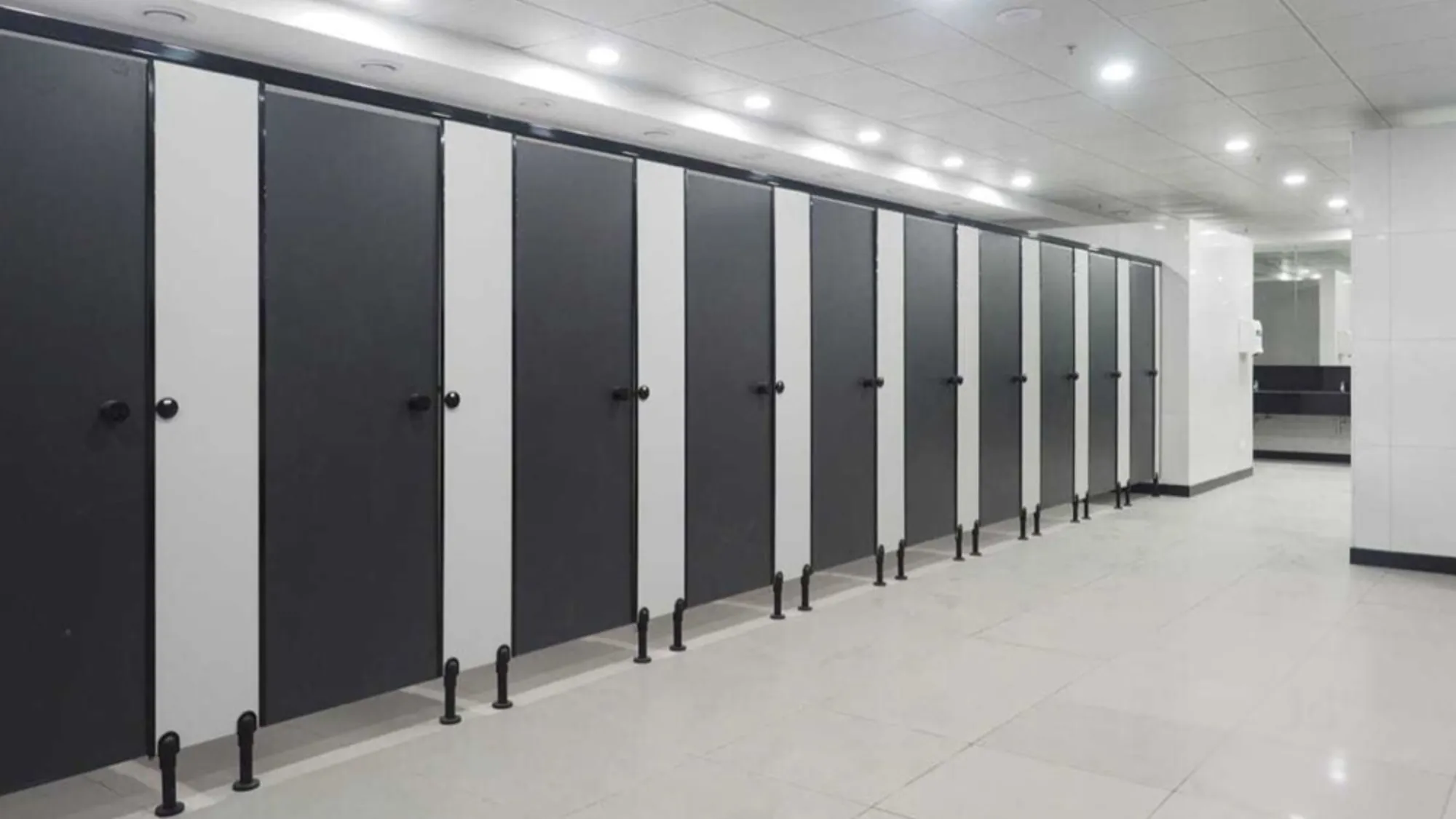

When it comes to building durable and hygienic washrooms, the quality of toilet cubicle panels plays a crucial role. These panels form the backbone of any partition system, directly impacting longevity, maintenance, and user experience. Whether you're planning new commercial toilet cubicles or upgrading existing facilities, selecting the right panel material ensures better performance and long-term value.
In this guide, we’ll explore panel types, compare materials, and help you choose the best solution for your project.
What Are Toilet Cubicle Panels?
Toilet cubicle panels are the structural components used to create partitions between restroom stalls. They provide privacy, support hardware, and define the overall durability of the system.
Core Functions
- Provide privacy and separation
- Support doors and hardware
- Resist moisture and wear
- Maintain hygiene standards
Benefits of High-Quality Toilet Cubicle Panels
1. Durability in High-Traffic Areas
Premium panels resist scratches, impacts, and vandalism—ideal for busy commercial environments.
2. Superior Hygiene
Non-porous surfaces prevent bacteria buildup and simplify cleaning.
3. Moisture Resistance
Waterproof panels perform well in humid environments like washrooms and shower areas.
4. Aesthetic Flexibility
Available in various colors, textures, and finishes to match interior design.
Material Comparison: Which Panel Is Right for You?
Choosing the right material for toilet cubicle panels is key to balancing cost and performance.
HPL (High-Pressure Laminate) Panels
- Highly durable and water-resistant
- Anti-bacterial surface options
- Ideal for high-traffic commercial toilet cubicles
Compact Laminate Panels
- Dense and impact-resistant
- Excellent for heavy-duty environments
- Long lifespan with minimal maintenance
Stainless Steel Panels
- Premium look with exceptional strength
- Resistant to corrosion and vandalism
- Best for high-end or industrial spaces
Glass Panels
- Modern and visually appealing
- Requires regular cleaning
- Suitable for luxury or low-traffic areas
Applications of Toilet Cubicle Panels
Office Buildings
- Focus on clean design and moderate durability
Shopping Malls
- High durability required due to heavy usage
Schools & Universities
- Impact-resistant and easy-to-clean panels
Airports & Public Facilities
- Long-lasting materials with minimal maintenance
Key Factors to Consider Before Buying
1. Traffic Volume
Higher usage demands stronger materials like HPL or compact laminate.
2. Moisture Exposure
Choose waterproof materials for wet environments.
3. Maintenance Requirements
Low-maintenance panels reduce operational costs.
4. Budget Planning
Balance upfront cost with long-term durability.
5. Compliance & Safety
Ensure panels meet safety and accessibility standards.
Panel Thickness & Performance
Panel thickness directly affects strength and durability.
- 12mm–13mm: Standard applications
- 18mm+: Heavy-duty, high-traffic environments
Thicker panels offer better impact resistance and longevity.
Latest Trends in Toilet Cubicle Panels
1. Anti-Bacterial Coatings
Improved hygiene with built-in protection against microbes.
2. Sustainable Materials
Eco-friendly panels with recyclable components are becoming popular.
3. Custom Finishes
Woodgrain, matte, and textured surfaces for modern interiors.
4. Seamless Designs
Minimal joints for better aesthetics and easier cleaning.
Practical Insight: What Professionals Recommend
Many project managers underestimate the importance of panel quality and focus only on hardware or design. In reality, toilet cubicle panels determine the system’s lifespan and maintenance frequency.
Choosing reliable suppliers like Jialifu ensures access to high-performance materials, tested durability, and tailored solutions for different commercial environments.
Internal Linking Suggestions
- “Toilet Cubicle Partition Cost: Complete Guide”
- “Commercial Washroom Cubicles: Design & Materials”
- “Best Materials for High-Traffic Toilet Partitions”
Conclusion
Selecting the right toilet cubicle panels is essential for creating durable, hygienic, and visually appealing washrooms. From material choice to thickness and finish, every detail impacts performance and long-term value.
By focusing on quality and suitability for your environment, you can ensure your commercial toilet cubicles remain functional and cost-efficient for years to come.
FAQs
1. What are toilet cubicle panels made of?
They are typically made from HPL, compact laminate, stainless steel, or glass.
2. Which panel material is best for high-traffic areas?
HPL and compact laminate are ideal due to their durability and moisture resistance.
3. How thick should toilet cubicle panels be?
Standard panels are 12–13mm, while heavy-duty applications use 18mm or more.
4. Are glass panels suitable for commercial washrooms?
Yes, but mainly for low-traffic or premium environments due to maintenance needs.
5. How do I maintain toilet cubicle panels?
Regular cleaning with non-abrasive products and checking hardware ensures longevity.





















Sign in to leave a comment.