
Introduction
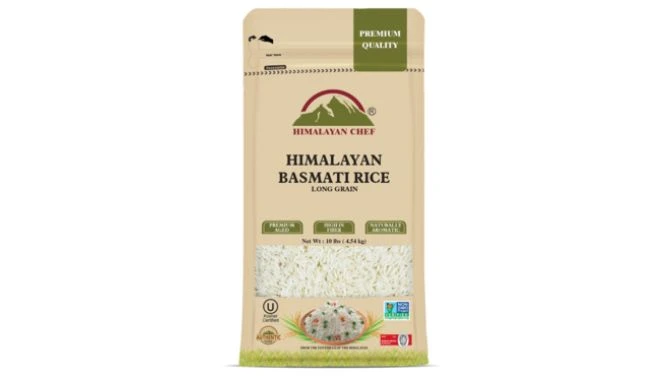
Regarding grains that have played an essential role in shaping the culinary landscape of India and beyond, Basmati rice stands out as an aromatic jewel. Revered for its fragrant aroma, slender grains, and unique flavor, Basmati rice has been a staple in Indian households for centuries. This article will explore this exceptional rice variety's origins, characteristics, culinary uses, and nutritional benefits.
Origins and History
Basmati rice, derived from the Sanskrit word "basmati," meaning "fragrant," finds its roots in the Indian subcontinent. The exact origin of Basmati rice is shrouded in history, with references dating back to ancient texts like the Mahabharata. It is believed to have been cultivated in the foothills of the Himalayas for over 2,000 years, where the unique climate and soil conditions contribute to its distinctive flavor and aroma.
Characteristics of Basmati Rice
Aroma: One of the defining features of Basmati rice is its captivating aroma. When cooked, the grains release a nutty and floral fragrance that elevates the dining experience. This aroma is attributed to the presence of natural compounds like 2-acetyl-1-pyrroline. Long, slender grains: Basmati rice is renowned for its long, slender grains that can further elongate during cooking. The grains remain separate and fluffy, making it an ideal choice for pilafs, biryanis, and other rice-based dishes. Texture: Basmati rice boasts a unique, delicate texture. It is neither sticky nor starchy, allowing for a light, airy mouthfeel.Culinary Uses
Basmati rice is a versatile ingredient that can be used in various dishes. Some popular preparations include:
Biryani: Basmati rice is the star ingredient in biryani, a fragrant and flavorful Indian dish that combines rice with spices, vegetables, and protein like chicken, lamb, or vegetables. Pulao: Basmati rice can be used to make pulao, a one-pot dish that incorporates rice with vegetables, herbs, and spices. Steamed rice: Basmati rice can be cooked and served as an accompaniment to various curries, dal, or grilled meats. Fried rice: Its long grains make Basmati rice an excellent choice for fried rice dishes, where the grains remain separate and absorb the stir-fry flavors.Nutritional Benefits
Basmati rice not only pleases the palate but also offers some nutritional benefits:
Low in fat: Basmati rice is naturally soft in fat, making it a healthy choice for those looking to control their fat intake. Gluten-free: It is naturally gluten-free, making it suitable for individuals with gluten sensitivities or celiac disease. Rich in carbohydrates: Basmati rice is a good source of carbohydrates, providing a quick energy source. Essential minerals: It contains magnesium, phosphorus, and manganese.Conclusion
Basmati rice is more than just a culinary ingredient; it's a cultural icon with a rich history and a tantalizing aroma that has captivated food lovers worldwide. Its versatility in various dishes, delightful fragrance, and subtle flavor make it a beloved staple in Indian cuisine and beyond. Whether savoring a bowl of fragrant biryani or enjoying a simple plate of steamed rice, Basmati remains a treasured gastronomy grain.





























Sign in to leave a comment.