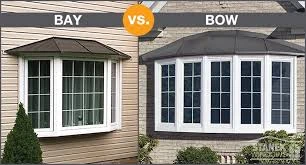

Bay vs. Bow Windows: Enhancing Space and Light in Your Home
When it comes to home improvement, few upgrades offer as much visual appeal and functional benefit as bay and bow windows. These classic window styles not only add elegance and character to your home's architecture, but they also help to increase natural light, offer panoramic views, and even create additional space. However, many homeowners struggle to decide between the two. While both window types may seem similar at first glance, they each have unique features and advantages.
In this article, we’ll explore the key differences between bay and bow windows, discuss their pros and cons, and help you determine which one is best suited for your home’s design and your personal preferences.
What Are Bay Windows?
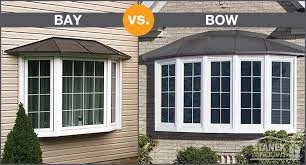
Bay windows consist of three window panels arranged at angles—typically a large fixed window in the center, flanked by two smaller windows on either side. These side windows are often operable (casement or double-hung), allowing for airflow. Bay windows project outward from the main wall of the home, forming a “bay” or alcove inside the room.
This design not only enhances the exterior look of the house but also creates a cozy nook indoors. Homeowners often use this space for a reading bench, breakfast seating, or decorative display.
What Are Bow Windows?
Bow windows, on the other hand, are made up of four or more window panels arranged in a smooth, curved shape. Unlike the sharper angles of bay windows, bow windows form a gentle arch. Each panel is usually the same size, giving the window a balanced and symmetrical appearance.
Bow windows are known for their wider appearance and greater glass surface area, which makes them excellent for letting in more natural light. They are especially popular in Victorian and older-style homes, though they can also be integrated into more modern designs.
Key Differences Between Bay and Bow Windows
Though both styles protrude outward from the home and add architectural interest, there are several differences to consider:
- Design and Appearance
- Bay windows have a more angular, modern appearance.
- Bow windows have a rounded, traditional look.
- Number of Panels
- Bay windows usually have three panels.
- Bow windows have four or more panels, forming a gentle curve.
- Light and View
- Bow windows provide more light and a wider view due to the additional panels.
- Bay windows still allow lots of light but offer slightly less panoramic visibility.
- Interior Space
- Bay windows generally create more usable space inside the room.
- Bow windows, while elegant, add less floor space due to their curved shape.
- Cost and Installation
- Bow windows often cost more because they require more materials and are more complex to install.
- Bay windows are less expensive and easier to fit into standard wall openings.
Choosing the Right Window for Your Home
Your decision between bay and bow windows will depend on your home’s design, your functional needs, and your budget. If you want to create a cozy sitting area with added floor space, a bay window might be the better choice. If your goal is to maximize sunlight and create a dramatic, curved exterior feature, a bow window may be ideal.
Also, consider the size of the wall where you plan to install the window. Bow windows require a wider opening to accommodate the additional panels, while bay windows can be fitted into narrower spaces.
Final Thoughts
Whether you choose a bay window or a bow window, both options can enhance your home’s natural light, improve curb appeal, and increase its value. These window styles are more than just functional—they are design features that can transform a flat wall into a stunning focal point.
Before making a final decision, consult with a professional installer or home designer to evaluate what works best with your home’s structure and aesthetic. With the right choice, you can enjoy a brighter, more beautiful living space for years to come.


























Sign in to leave a comment.