

Beauty trends may seem like a modern obsession, but the desire to look and feel good is as old as humanity itself. Long before social media tutorials and glossy magazines, people across cultures were experimenting with skincare, hair treatments, and natural cosmetics. Over time, these practices were recorded, shared, improved, and sometimes forgotten. When we gather all that knowledge together, we get something powerful: Beauty Archives.
Think of beauty history like a treasure chest passed down through generations. Inside are simple home remedies, cultural traditions, classic makeup styles, and scientific discoveries that changed the way we care for ourselves. Some ideas were brilliant. Others were mistakes we learned from. But all of them tell a story.
In this article, we’ll explore how beauty knowledge has evolved, why it still matters today, and how understanding the past can help you make smarter choices in your daily routine. Everything will be explained in plain, friendly language—no confusing technical talk. Let’s open the treasure chest and see what we find.
What Are Beauty Archives?
Imagine a giant scrapbook filled with beauty tips, rituals, product inventions, and style inspirations from different eras. That scrapbook is essentially what we mean by Beauty Archives.
They include:
- Traditional skincare remedies
- Vintage makeup techniques
- Cultural beauty rituals
- Early cosmetic advertisements
- Scientific breakthroughs in skincare
- Haircare methods passed through families
It’s not just about remembering old trends. It’s about understanding how beauty practices developed and why certain habits remain popular today.
For example, natural oils have been used for centuries to protect skin and hair. Today, you still see oils in many modern products. That’s not a coincidence—it’s proof that some ideas truly stand the test of time.
Skincare: Lessons From the Past
Natural Beginnings
Before laboratories and packaged creams existed, people relied on ingredients found in nature. Honey, milk, plant extracts, and oils were common choices.
Why? Because people observed results. Honey helped keep skin soft. Oils prevented dryness. Certain herbs soothed irritation.
Think of early skincare like home cooking. People used what they had in their kitchen or garden, experimenting until they found what worked.
Scientific Progress
As science advanced, researchers began studying the skin more carefully. They discovered how sunlight affects aging and how hydration supports skin health. This led to the creation of sunscreens, moisturizers, and gentle cleansers designed for specific skin types.
Today’s products may look modern, but many are based on principles people recognized long ago: protect, hydrate, and cleanse.
Makeup Through the Decades
Makeup trends often reflect cultural moods. Bold lips, dramatic eyes, natural finishes—each era has its signature look.
For instance, bright lipstick has appeared again and again in history. Why does it return so often? Because it highlights facial features in a striking yet simple way.
Imagine fashion trends like music. Certain melodies fade for a while but eventually make a comeback with a fresh twist. Makeup works similarly.
Modern formulas improve texture, safety, and comfort, but the creative spirit behind them is rooted in earlier generations.
Haircare Traditions That Still Work
Hair has always been closely tied to identity. Across cultures, different hairstyles and treatments symbolize beauty, status, or tradition.
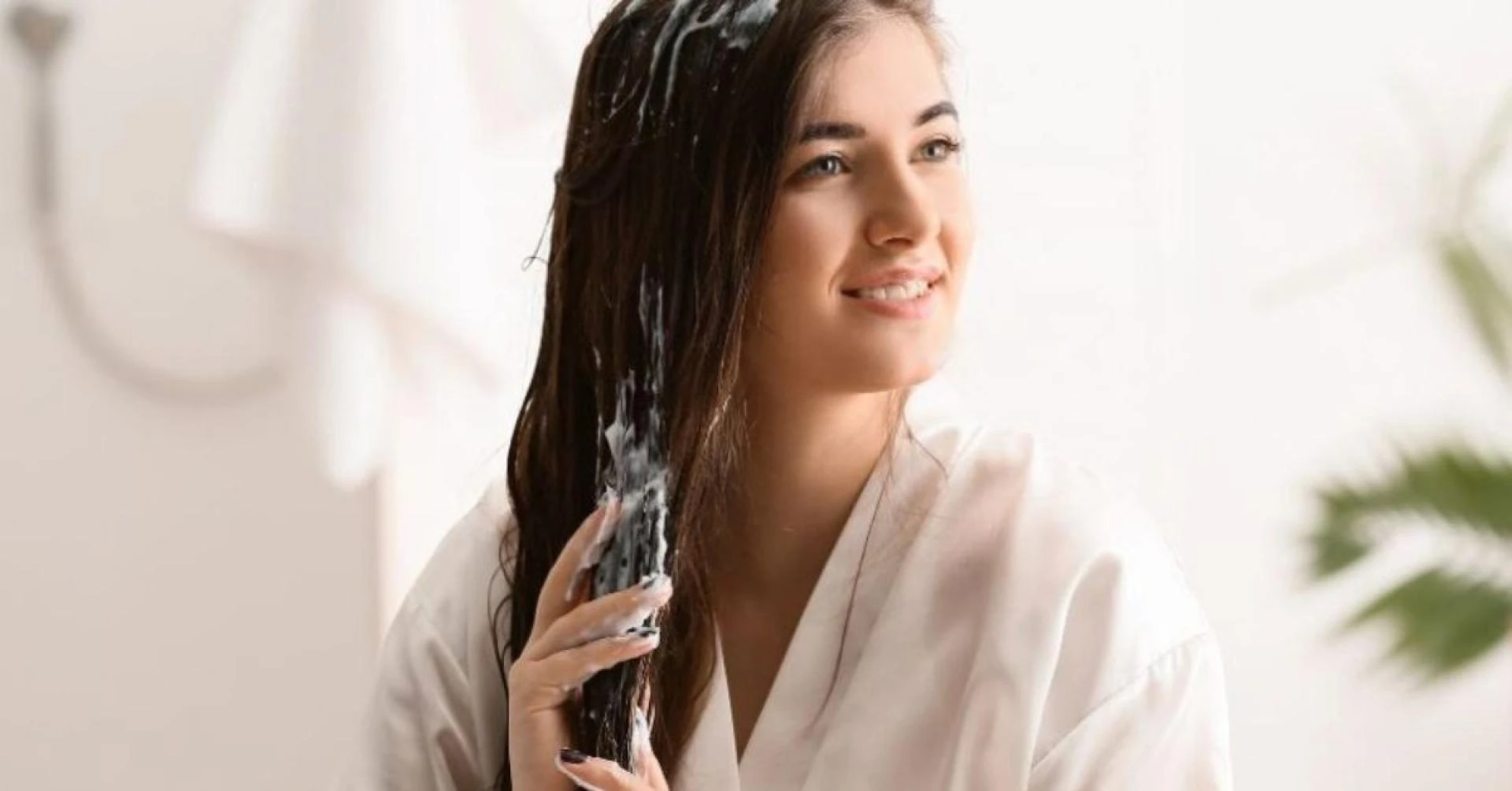
Long before chemical treatments, people used oils and herbal rinses to maintain healthy hair. Oiling, for example, helps reduce dryness and breakage by creating a protective layer.
Think of oil as a raincoat for your hair. It shields strands from environmental damage.
While modern shampoos and conditioners are more advanced, many still include ingredients inspired by these time-tested methods.
The Role of Culture in Beauty
Beauty standards vary across the world. What one culture considers attractive may differ from another.
Some societies emphasize glowing skin. Others value bold eye makeup or intricate hairstyles. These preferences are shaped by history, climate, lifestyle, and tradition.
Exploring beauty archives allows us to appreciate diversity rather than chasing a single definition of beauty.
It reminds us that beauty is not fixed. It evolves, just like language and fashion.
When Beauty Practices Went Wrong
Not every historical beauty trend was safe. In earlier times, people sometimes used harmful ingredients simply because they didn’t know better.
For example, certain old cosmetic formulas included substances that were later found to be unsafe. As scientific understanding improved, these ingredients were replaced with safer alternatives.
This teaches an important lesson: tradition alone isn’t enough. We must combine historical knowledge with modern research.
Learning from mistakes is part of progress.
Modern Beauty Inspired by History
Many popular products today draw inspiration from the past.
- Clay masks reflect ancient purification rituals.
- Botanical extracts echo traditional herbal practices.
- Facial massage techniques resemble age-old self-care methods.
What’s different now is precision. Scientists test ingredients carefully to ensure safety and effectiveness.
Think of it like upgrading a classic recipe. The core idea remains, but the measurements are more exact, and the tools are better.
Why Beauty Archives Matter Today
In a world flooded with advertisements and viral trends, it’s easy to feel overwhelmed. New products promise instant transformation. Influencers promote endless routines.
Beauty archives offer perspective.
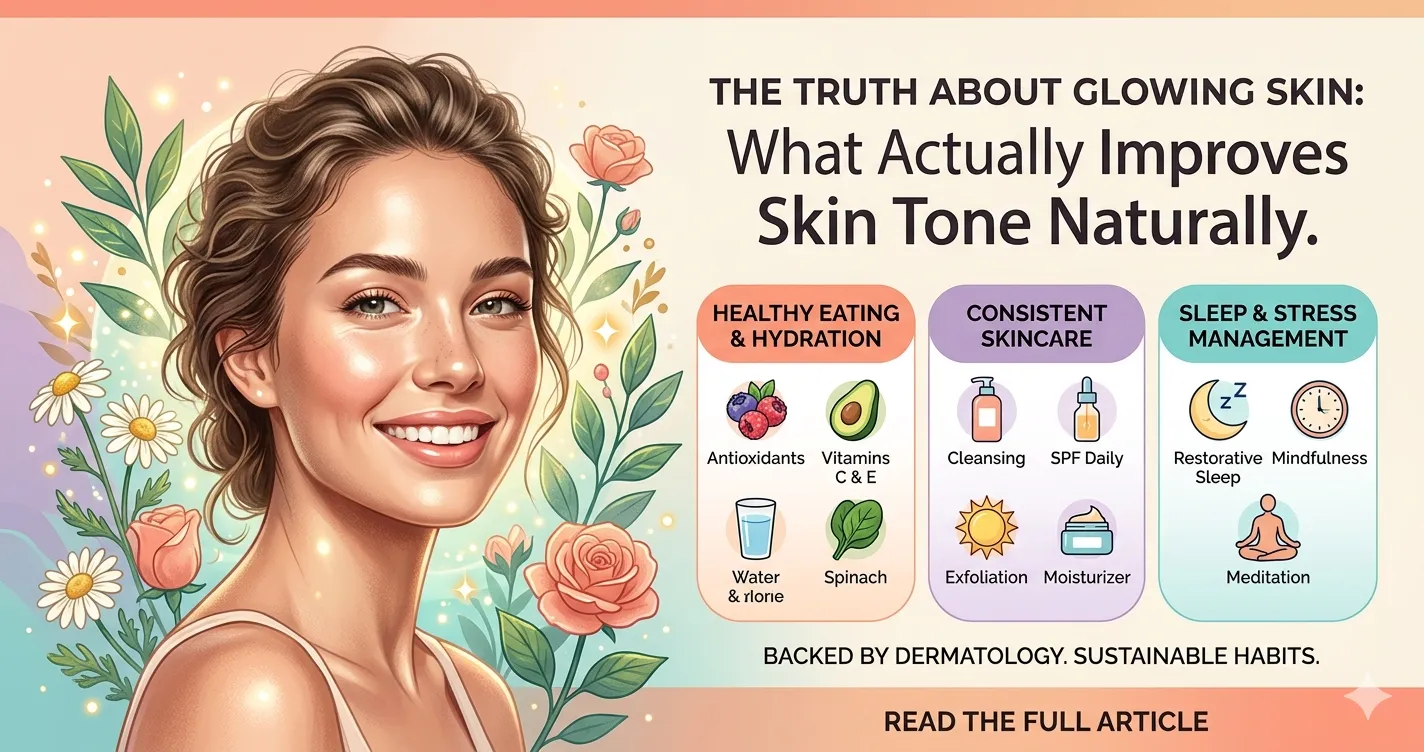
They show that true skin health and hair care rely on simple principles:
- Consistency
- Protection
- Hydration
- Gentle treatment
Understanding this helps you avoid unnecessary purchases. It allows you to build a routine based on knowledge rather than hype.
Building a Smarter Routine
Here are practical ways to use historical beauty knowledge wisely:
1. Start With Basics
Cleanse your skin gently. Moisturize regularly. Protect from the sun. These steps have remained important across generations.
2. Be Curious, Not Gullible
If a trend claims to be revolutionary, ask yourself: Is this truly new, or a modern version of something old?
3. Combine Old and New
You might enjoy a traditional oil treatment while also using a dermatologist-tested sunscreen. Balance is key.
4. Pay Attention to Your Unique Needs
What worked for someone centuries ago may not suit your skin today. Personalization matters.
The Emotional Side of Beauty
Beauty is not only about appearance. It’s connected to confidence and self-expression.
Looking back at historical styles can feel inspiring. It shows that people in every era cared about expressing themselves creatively.
Beauty rituals can also be calming. Applying skincare at night or styling hair in the morning can feel like moments of self-care in a busy day.
When content platforms like Rooster Sound share thoughtful beauty insights, they help readers see beyond trends and appreciate the deeper meaning of self-care.
The Future of Beauty Knowledge
As technology advances, beauty science will continue to evolve. Researchers are studying skin at microscopic levels. Sustainable packaging is becoming more important. Personalized skincare solutions are growing in popularity.
Yet even as innovation accelerates, history remains relevant.
The future of beauty is not about abandoning the past. It’s about blending tradition with science, creativity with responsibility.
Beauty archives act as a compass, guiding innovation in a thoughtful direction.
Conclusion
Beauty has traveled a long and fascinating journey. From simple home remedies to advanced laboratory formulas, the desire to care for oneself has remained constant.
Beauty Archives serve as a record of that journey. They preserve wisdom, celebrate creativity, and highlight lessons learned over time.
By understanding where beauty practices come from, we become smarter consumers and more confident individuals. We learn to appreciate timeless habits while embracing safe and effective innovation.
True beauty is not about chasing perfection. It’s about caring for yourself thoughtfully, consistently, and with knowledge.
When you combine historical insight with modern understanding, you unlock a powerful advantage—a routine built not on trends, but on timeless wisdom.














Sign in to leave a comment.