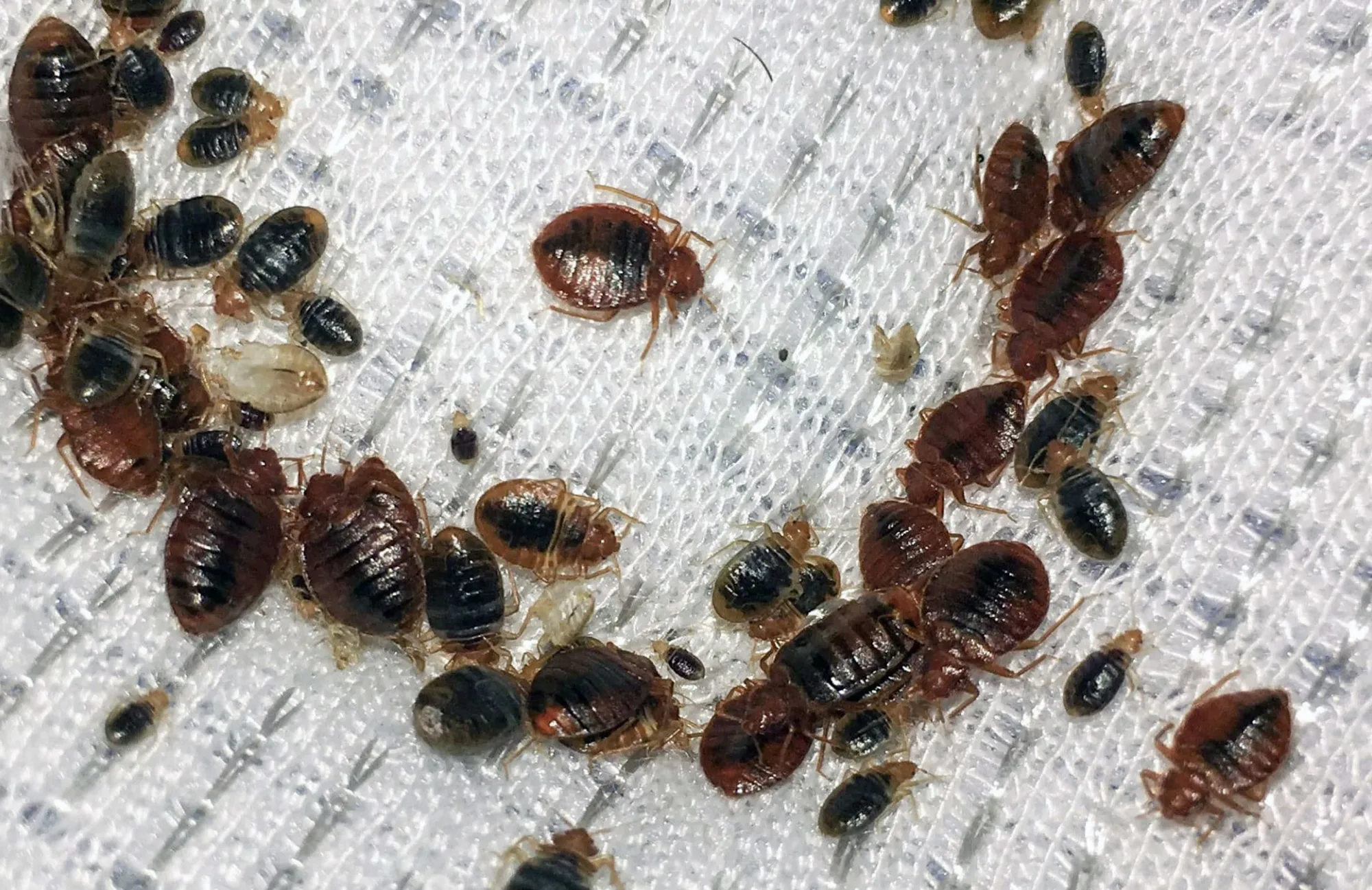

Finding bed bugs in your home can be stressful. These tiny insects are difficult to spot, and they can quickly spread from one room to another. They hide during the day and become active at night, feeding on human blood while people sleep. Once they settle inside a home, getting rid of them without the right approach becomes challenging.
Bed Bugs Control is the most reliable way to stop an infestation before it grows larger. A proper treatment plan not only removes active insects but also targets eggs and hidden hiding places. Understanding how these pests live and spread is the first step toward protecting your family and property.
What Are Bed Bugs?
Bed bugs are small, flat, reddish-brown insects that feed on blood. Adult bed bugs are about the size of an apple seed, while younger ones are much smaller and lighter in color. They cannot fly or jump, but they crawl quickly across floors, walls, furniture, and luggage.
These pests prefer to hide close to where people sleep. Common hiding places include mattress seams, bed frames, headboards, box springs, furniture joints, electrical outlets, and cracks in walls.
Because they are excellent at hiding, many homeowners do not realize they have an infestation until the problem becomes severe.
Signs You May Have Bed Bugs
Early detection can prevent a small issue from becoming a large infestation. Some common warning signs include:
- Small red bite marks that appear after sleeping
- Tiny blood stains on bed sheets or pillowcases
- Dark spots left behind by bed bug droppings
- Shed skins from growing insects
- Small white eggs hidden in cracks and furniture
- A musty odor in heavy infestations
Not every person reacts the same way to bed bug bites. Some people develop itchy red welts, while others show no visible reaction at all.
How Bed Bugs Enter a Home
Bed bugs are excellent hitchhikers. They usually enter homes by attaching themselves to personal belongings.
Some common sources include:
- Used furniture
- Second-hand mattresses
- Luggage after travel
- Clothing
- Public transportation
- Hotels and vacation rentals
- Apartment buildings where units share walls
Keeping your belongings clean and inspecting items before bringing them indoors can reduce the chance of introducing these pests.
Why Bed Bugs Are Difficult to Remove
Unlike many household insects, bed bugs can survive for months without feeding. They hide in extremely narrow spaces where sprays often cannot reach. Their eggs are also protected by a sticky coating that makes them resistant to many household treatments.
Another challenge is their rapid reproduction. A single female can lay hundreds of eggs during her lifetime. Missing even a few insects can allow the infestation to return within weeks.
This is why complete Bed Bugs Control requires careful inspection and thorough treatment.
Health Effects of Bed Bugs
Although bed bugs are not known to spread diseases to humans, they can still affect health and well-being.
Possible effects include:
- Itchy skin
- Allergic reactions
- Sleep disturbance
- Stress and anxiety
- Secondary skin infections caused by excessive scratching
Many people experience emotional stress after discovering bed bugs because the insects can be difficult to eliminate without proper treatment.
Prevention Tips
Preventing an infestation is much easier than dealing with one later.
Follow these simple practices:
Inspect Hotel Rooms
Before unpacking, check mattresses, headboards, and furniture for signs of insects.
Wash Clothes After Traveling
Wash clothing in hot water and dry it on high heat after returning from a trip.
Be Careful with Used Furniture
Inspect second-hand furniture carefully before bringing it into your home.
Reduce Clutter
Less clutter means fewer hiding places for insects.
Vacuum Regularly
Vacuum mattresses, furniture, carpets, and baseboards to remove insects and eggs before they spread.
Seal Cracks
Close gaps around baseboards, walls, and electrical outlets where insects may hide.
Common Treatment Methods
Successful removal usually requires multiple treatment techniques working together.
Heat Treatment
High temperatures are highly effective because bed bugs cannot survive extreme heat. Professional heat treatment reaches furniture, walls, and hidden spaces where insects hide.
Vacuuming
Vacuuming removes visible insects, eggs, and debris. The vacuum bag should be sealed and disposed of immediately after cleaning.
Steam Cleaning
Steam penetrates fabric and furniture, killing insects hiding inside seams and cracks.
Mattress Encasements
Special mattress covers trap remaining insects and prevent new ones from entering or escaping.
Targeted Insecticides
When used correctly, professional products help eliminate insects hiding in difficult locations. Proper application is important for safety and effectiveness.
Mistakes That Make the Problem Worse
Many homeowners unknowingly allow infestations to spread.
Common mistakes include:
- Throwing away furniture without proper inspection
- Moving infested items into another room
- Using too many store-bought sprays
- Ignoring early warning signs
- Skipping follow-up inspections
Quick action usually prevents a larger infestation and reduces treatment costs.
Why Professional Help Is Often Necessary
Small infestations sometimes appear manageable, but bed bugs hide in places that are difficult to inspect without experience.
Professional technicians know where insects hide and use specialized equipment to locate hidden activity. They also create customized treatment plans based on the severity of the infestation.
A professional approach often includes inspection, treatment, monitoring, and follow-up visits to ensure the problem has been completely resolved.
Choosing experienced technicians also reduces the chance of recurring infestations because every stage of the bed bug life cycle is addressed.
Keeping Your Home Protected
Even after treatment, regular inspections remain important. Continue checking beds, furniture, and sleeping areas every few weeks, especially after traveling or bringing second-hand items into your home.
Maintaining a clean environment, reducing clutter, and inspecting belongings before they enter your home can significantly lower the risk of future infestations.
Final Thoughts
Bed bugs are persistent pests that can quickly turn a small problem into a major infestation. Because they hide well and reproduce rapidly, early detection is essential for successful removal. Learning the warning signs, practicing good prevention habits, and responding quickly can help protect both your home and your family's comfort.
When an infestation becomes difficult to manage, professional Bed Bugs Control offers the most dependable solution. With careful inspection, proven treatment methods, and ongoing prevention, you can eliminate these unwanted pests and enjoy a cleaner, healthier, and more comfortable living environment once again.
























Sign in to leave a comment.