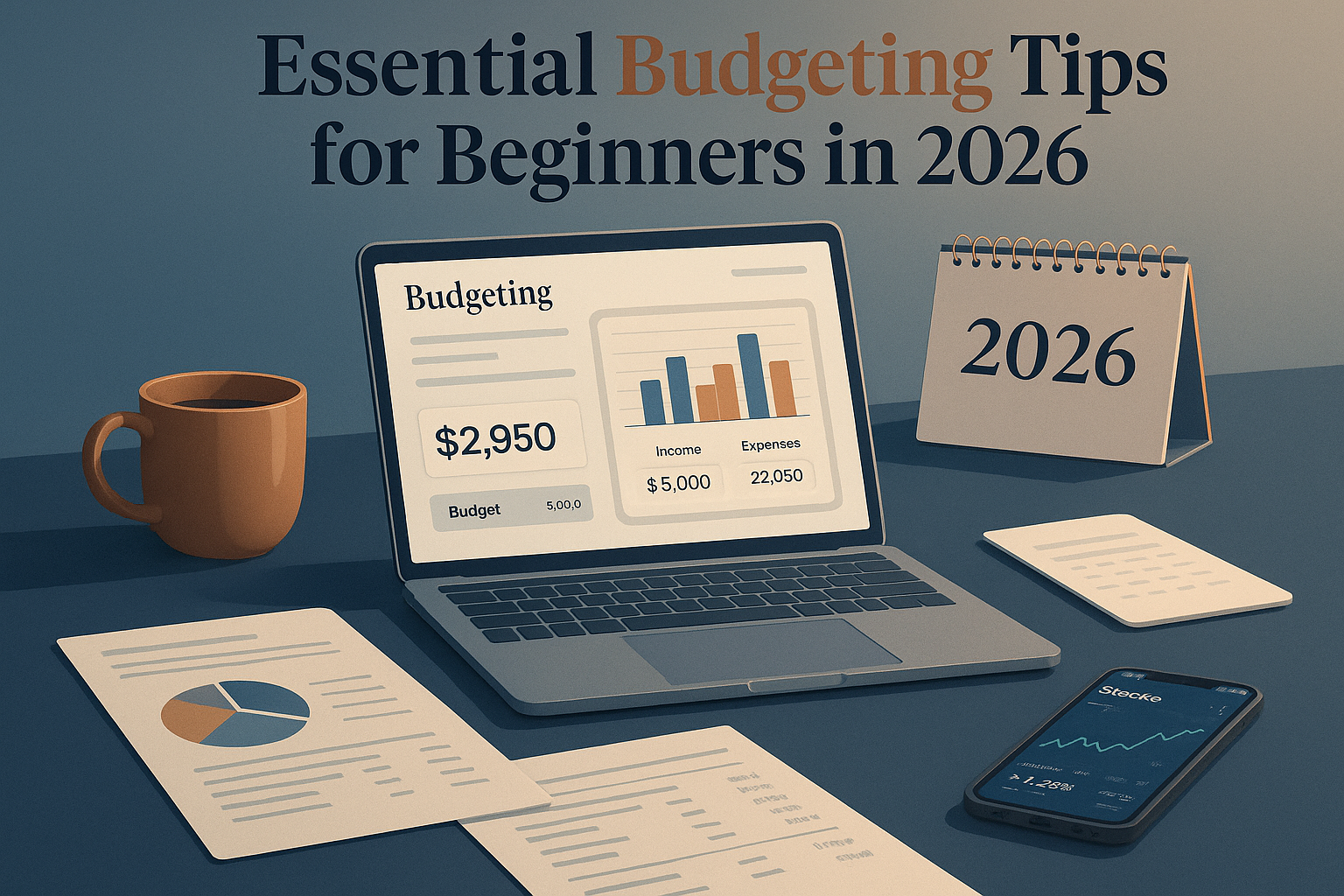

In 2026, personal finance has become a critical skill as economic landscapes shift and financial literacy becomes paramount. A recent study by the National Financial Educators Council revealed that 75% of Americans lack basic budgeting skills, contributing to widespread financial stress. As inflation continues to impact living costs and the gig economy rises, understanding how to effectively budget is more essential than ever. This guide will walk you through the fundamental steps of budgeting, providing you with the tools needed to manage your finances successfully.
In this article, you'll discover the origins of budgeting, how it has evolved over time, and why it's crucial in today's economy. We will delve into core strategies, current developments influencing personal finance, and expert insights that can transform your financial habits. Whether you're a young professional, a seasoned worker, or someone looking to improve their financial health, this guide will equip you with actionable knowledge.
Deep Background
The concept of budgeting dates back to ancient times when civilizations like Mesopotamia tracked their resources meticulously. However, the modern budgeting framework began to take shape in the early 20th century. The Great Depression of the 1930s further emphasized the need for personal financial planning as households struggled to manage limited resources. During this period, budgeting was primarily seen as a tool for survival, focusing on minimizing expenses.
Fast forward to the 1970s, and budgeting evolved into a strategic tool for wealth accumulation and financial planning, driven by economic growth and increased consumerism. The introduction of digital tools in the late 1990s and early 2000s revolutionized personal finance, with software like Quicken paving the way for more accessible and efficient budgeting methods.
The rise of digital financial tools has democratized access to budgeting, making it easier for individuals to manage their finances effectively.
Even today, many people remain unaware of how foundational budgeting can be to financial success. For those interested in exploring further, budgeting strategies offer a wealth of information on transitioning from traditional methods to modern digital solutions.
The Core Analysis
Budgeting is not just about tracking expenses; it's about creating a financial roadmap. According to a study by the Consumer Financial Protection Bureau, individuals who budget are 31% more likely to report no financial worries compared to those who do not. Here are the core components of an effective budgeting strategy:
Understanding Income vs. Expenses
- Income: Begin by calculating all sources of income, including salary, freelance work, and passive income streams. Understanding your total income helps set a realistic budget.
- Fixed Expenses: These include rent, mortgage, insurance, and utilities. They are often predictable and should be prioritized in your budget plan.
- Variable Expenses: These are discretionary and include groceries, entertainment, and dining out. Flexibility in this category can help accommodate savings.
The 50/30/20 rule is a popular budgeting method where 50% of income goes to needs, 30% to wants, and 20% to savings. This model helps balance spending and saving, ensuring financial stability.
In 2026, digital tools like Mint and YNAB offer automated budgeting solutions. These platforms have seen a 25% increase in user adoption over the past two years, according to a Forbes article on fintech trends.
Current Landscape & 2026 Developments
Recent developments have reshaped the budgeting landscape, making it more dynamic and adaptable. The integration of artificial intelligence (AI) in financial apps provides personalized budgeting advice, a trend that gained momentum in 2025. This technological advancement allows users to receive tailored recommendations based on spending patterns.
Impact of Inflation and Economic Shifts
The persistent issue of inflation, which reached a decade-high of 4.2% in early 2026, underscores the importance of budgeting. Rising prices necessitate a reevaluation of spending habits and financial goals. Many individuals are turning to side hustles to supplement their income, a phenomenon that has seen a 40% increase since 2024. This shift not only requires adept budgeting but also strategic financial planning to manage additional income streams.
According to Bloomberg, these economic pressures have accelerated the adoption of budgeting apps and tools, as consumers seek to regain control over their finances.
Expert Perspectives & Industry Impact
Financial experts emphasize the transformative power of budgeting in achieving long-term financial goals. As noted by financial advisor Jane Doe, "Budgeting is the foundation of financial independence. It empowers individuals to make informed decisions about their financial future." This sentiment is echoed by industry leaders who predict a continued focus on financial literacy in education curriculums.
"Incorporating budgeting skills into education systems is crucial for preparing future generations for financial success." – Jane Doe, Financial Advisor
The broader implications of enhanced budgeting skills are significant. Economically, improved personal finance management can lead to reduced debt levels and increased savings rates, fostering economic stability. Socially, it promotes responsible consumption and financial well-being, contributing to overall quality of life. For more on these implications, explore WriteUpCafe's personal finance topics.
What to Watch
Looking ahead, several trends and milestones are worth monitoring in the realm of budgeting. The continued evolution of fintech is expected to introduce more sophisticated tools that leverage AI and machine learning for enhanced budgeting capabilities. Additionally, as remote work becomes more prevalent, individuals will need to adjust their budgets to accommodate new lifestyle changes.
Experts predict that by 2030, budgeting will be an integral part of educational curriculums worldwide, reflecting its importance in maintaining economic stability and promoting financial literacy. Key risks include data privacy concerns associated with digital budgeting tools and the potential for increased financial inequality if access to these technologies remains uneven.
As we move forward, staying informed about these developments will be crucial for making sound financial decisions. By keeping an eye on technological advancements and economic trends, individuals can better prepare for future financial challenges.
























Sign in to leave a comment.