
Introduction
Every parent deals with tantrums, defiance, or the occasional meltdown at some point — that's just part of raising a child. But behavioral problems in kids that go beyond typical developmental phases can leave parents confused, exhausted, and unsure whether what they're seeing is "normal" or something that needs professional attention. Knowing where that line sits can make a real difference in getting your child the right support before struggles become deeply rooted.
What Counts as Normal vs. Concerning
Children act out. They test boundaries, throw tantrums, argue, and sometimes behave in ways that make parents want to disappear into the nearest closet for five minutes of peace. This is developmentally normal, especially in toddlers and young children still learning to regulate emotions they don't fully understand yet.
Behavioral problems in kids become a genuine concern when the intensity, frequency, or duration of these behaviors significantly exceeds what's typical for the child's age, when they persist for months rather than weeks, and when they start interfering with school, friendships, or family life in a consistent, disruptive way.
Common Types of Behavioral Concerns
Oppositional and Defiant Behavior Persistent arguing with adults, deliberately annoying others, refusing to follow rules, and frequent anger or resentment that goes well beyond typical strong-willed behavior may indicate Oppositional Defiant Disorder, particularly when it's consistent across multiple settings — not just at home, but also at school or with other caregivers.
Aggression Occasional pushing or hitting during conflict with siblings is common in young children still developing impulse control. Concerning aggression involves frequent physical fights, cruelty toward animals or peers, or aggression that escalates rather than decreases with age-appropriate discipline.
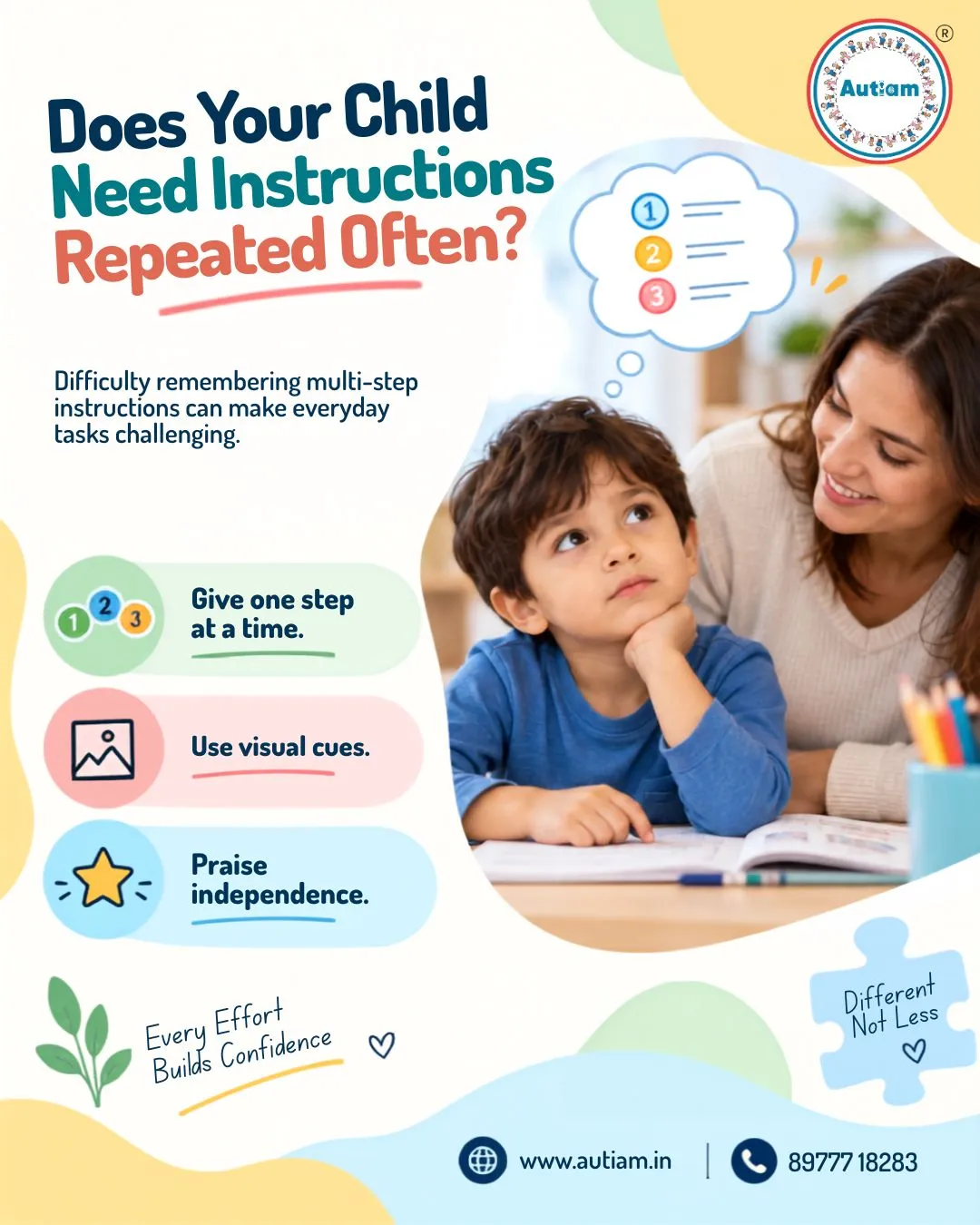
Attention and Impulsivity Issues Difficulty sitting still, interrupting constantly, losing items repeatedly, and an inability to follow multi-step instructions despite clear intelligence can point toward ADHD, particularly when these patterns show up consistently across home and school environments.
Emotional Outbursts and Meltdowns Intense emotional reactions disproportionate to the trigger, especially in older children who should be developing better emotional regulation, can signal underlying anxiety, sensory processing difficulties, or other conditions requiring evaluation.
Withdrawal and Isolation Not all behavioral concerns look loud or disruptive. A child who withdraws from friends, loses interest in activities they used to enjoy, or becomes unusually quiet and avoidant may be struggling just as significantly as one acting out — sometimes more so, because it's easier to overlook.
Why These Behaviors Happen
Behavioral problems rarely come from nowhere. Underlying causes can include unaddressed anxiety or depression that manifests as irritability rather than obvious sadness, learning disabilities creating chronic academic frustration, family stress or major transitions like divorce or relocation, undiagnosed neurodevelopmental conditions like ADHD or autism spectrum differences, or, in some cases, unprocessed trauma.
Understanding the underlying driver matters enormously, because addressing the behavior alone without identifying its root cause typically results in temporary improvement at best.
Warning Signs That Warrant Professional Evaluation
- Behaviors persist for six months or longer without improvement
- The behavior occurs across multiple settings — home, school, and social situations
- Academic performance is declining noticeably
- Relationships with peers or family members are consistently strained
- The child expresses persistent hopelessness, worthlessness, or mentions self-harm
- Discipline strategies that previously worked have stopped being effective
- The behavior puts the child or others at physical risk
How Parents Can Support Their Child
Stay Consistent Children, especially those struggling behaviorally, need predictable structure and consistent responses from caregivers. Mixed signals or inconsistent discipline often intensify problematic behavior rather than reducing it.
Look Beneath the Behavior Try to identify what's driving the behavior rather than reacting only to its surface. A child who's acting out academically might be struggling with an undiagnosed learning difficulty rather than simply being defiant.
Avoid Shame-Based Discipline Labeling a child as "bad" or "difficult" tends to reinforce the very behavior you're trying to change, while addressing specific actions without attacking the child's character preserves their sense of self-worth.
Communicate With Schools Teachers often notice patterns parents don't see at home, and vice versa. Regular communication helps build a complete picture of what's actually happening.
When to Seek Professional Help
If behavioral problems in kids persist despite consistent parenting strategies, disrupt daily functioning, or leave you feeling like you've tried everything without improvement, it's time to consult a professional rather than continuing to manage it alone. Experienced child mental health specialists, including the best psychiatrist in Jaipur, can conduct a thorough evaluation to determine whether an underlying condition such as ADHD, anxiety, depression, or a learning disability is contributing to the behavior, and can create a treatment plan combining behavioral therapy, family counseling, and medication when appropriate.
Early intervention consistently leads to better long-term outcomes. A behavioral pattern addressed at age seven is generally far easier to work with than the same pattern left unaddressed until adolescence.
Final Thoughts
Behavioral problems in kids are common, and most children go through difficult phases that resolve with time, patience, and consistent parenting. But when behaviors are intense, persistent, or interfering with daily life, seeking professional evaluation isn't an overreaction — it's proactive care. Understanding the difference between a phase and a pattern that needs support can spare both you and your child years of unnecessary struggle.





























Sign in to leave a comment.