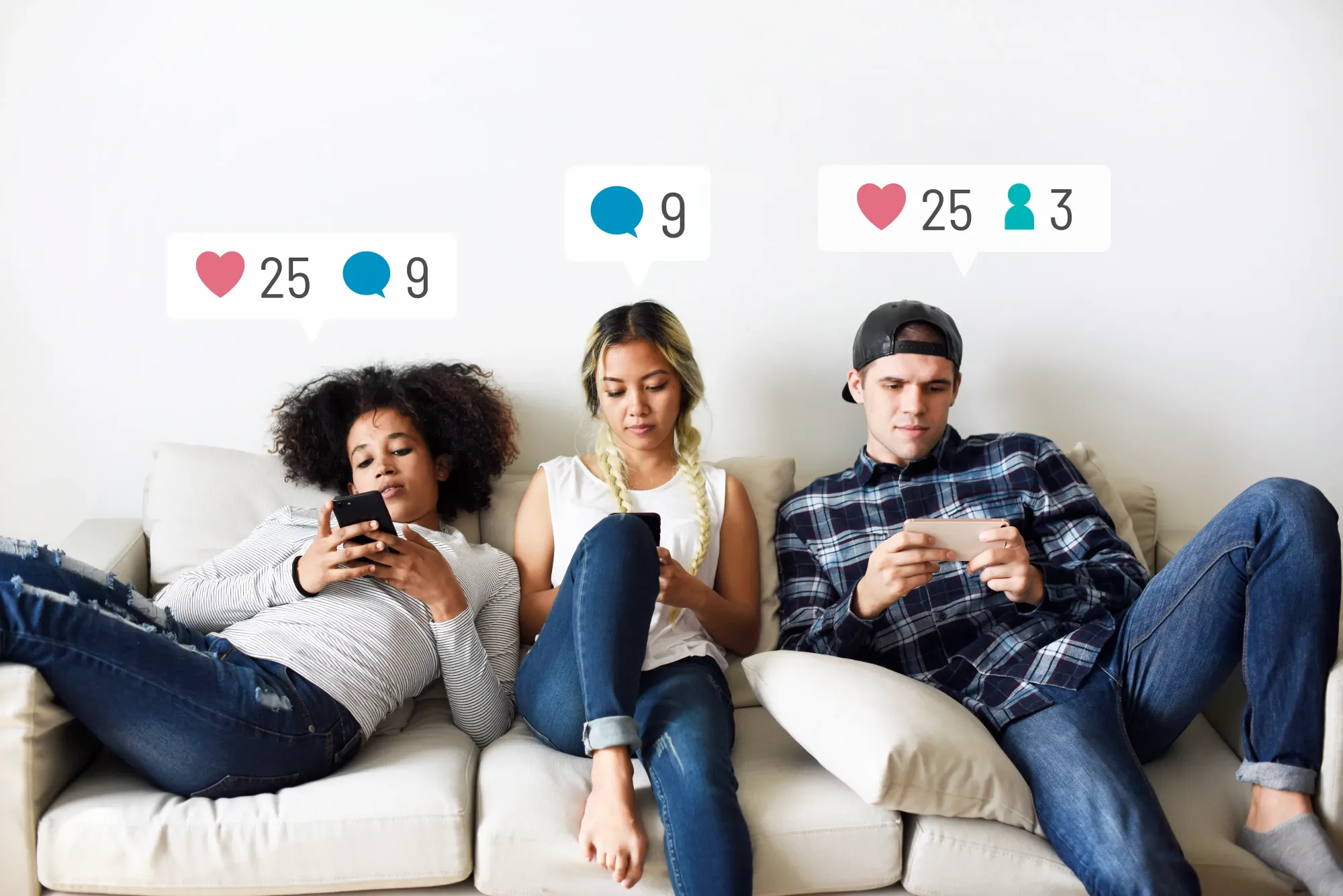

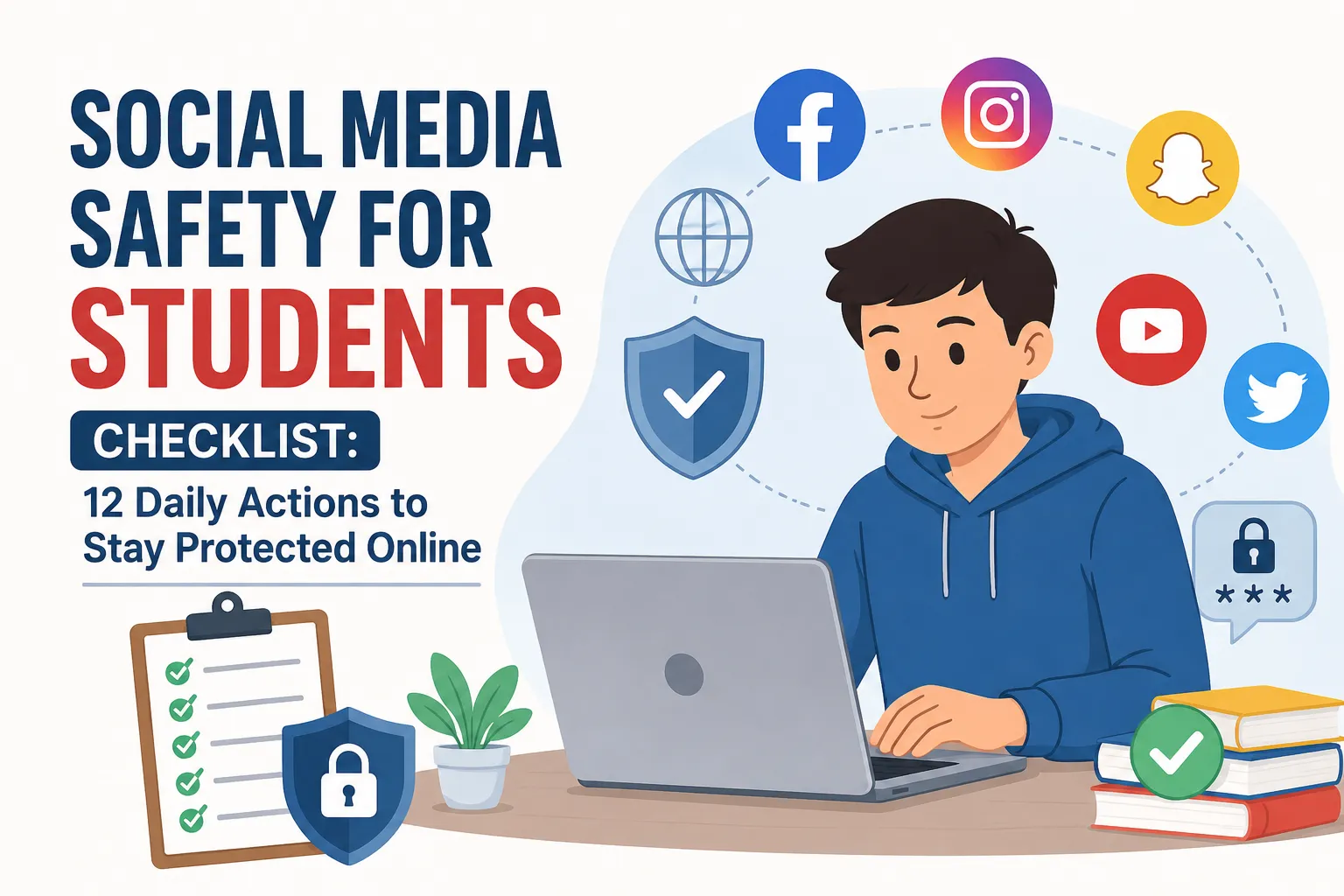
You post something you're genuinely proud of. Ten minutes later, you check back. Twelve likes. You refresh again. Still twelve. That small, specific disappointment you feel isn't shallow or silly — it's your brain doing exactly what it's wired to do. Likes, views, and shares aren't just numbers on a screen; they're social feedback your nervous system takes seriously, whether you consciously want it to or not. Understanding why this happens is the first step to loosening its grip on your mood.
Your Brain Treats Likes Like Social Approval
Humans evolved in small groups where social acceptance was directly tied to survival. Being liked by your tribe meant safety, resources, and belonging; being rejected could be genuinely dangerous. That ancient wiring hasn't disappeared just because approval now shows up as a heart icon instead of a nod from your community.
When your post gets engagement, your brain releases dopamine — the same neurotransmitter involved in other reward behaviors. It's a real, measurable neurological response, not an exaggeration. The problem is that social media has taken an ancient survival mechanism and turned it into something you can check compulsively, dozens of times a day, with unpredictable results.
The Unpredictability Is the Real Hook
If every post got exactly the same number of likes, the emotional impact would fade quickly — predictable rewards lose their pull. But social media engagement is variable: sometimes a post flops, sometimes it unexpectedly takes off. This kind of unpredictable reward pattern is known to be especially powerful at keeping people engaged, which is part of why checking your notifications can feel almost involuntary.
Each refresh becomes a small gamble. Will this be the post that does well? That uncertainty keeps your brain checking far more than a guaranteed outcome ever would.
Low Engagement Doesn't Just Disappoint You — It Can Feel Like Rejection
Here's where it gets more serious than just mild disappointment. Research on social rejection has found that it activates some of the same brain regions involved in physical pain. A quiet post, an ignored story, a comment nobody responds to — these small moments can register, at some level, as a form of social exclusion.
Over time, if your sense of self-worth becomes tied to engagement numbers, you're essentially handing your mood over to an algorithm and to the unpredictable attention span of other people scrolling past your content in half a second.
Comparison Makes It Worse
It's not just about your own likes — it's about how they stack up against everyone else's. Scrolling through a feed where other people's posts appear to be thriving, while yours sits quietly, triggers what psychologists call upward social comparison. You're comparing your real, ordinary moment to someone else's curated highlight, and the comparison itself — not the actual number of likes — is often what does the most damage to your mood.
Signs This Has Gone Beyond Normal
A little disappointment over a quiet post is completely normal and not something to worry about. But it's worth paying attention if you notice:
- Checking notifications compulsively, even when you know nothing new has happened
- Your mood for the day genuinely rising or falling based on engagement
- Deleting posts that don't perform "well enough"
- Feeling anxious before posting, anticipating how it will be received
- Comparing your engagement to others' and feeling persistently inadequate as a result
If several of these feel familiar, it may be worth examining your relationship with social media a little more closely.
How to Loosen Its Grip
Turn off non-essential notifications. Removing the constant ping reduces the compulsive checking that keeps the reward cycle active.
Post with intention, not for validation. Before sharing something, notice whether you're doing it to express yourself or specifically hoping for a certain reaction. Neither is wrong, but awareness changes how much power the outcome has over you.
Limit comparison exposure. Curate your feed. Mute or unfollow accounts that consistently trigger comparison, even if you technically "like" their content.
Build validation sources outside the app. Real conversations, in-person connection, and personal accomplishments that have nothing to do with a screen provide a steadier sense of self-worth than any engagement metric can.
Notice the pattern without judgment. Simply recognizing "I'm checking this because I want approval" — rather than acting on it automatically — starts to weaken the habit's hold.
When to Consider Getting Support
If social media engagement is significantly affecting your daily mood, self-esteem, or mental health more broadly, that's worth taking seriously rather than dismissing as a minor quirk of modern life. Persistent anxiety tied to online validation, or a sense of self-worth that has become dependent on digital approval, are patterns that mental health professionals see and help people work through regularly. Speaking with an experienced psychiatrist, such as the best psychiatrist in Jaipur, can help you understand whether what you're experiencing is a manageable habit to adjust or something deeper worth addressing directly.
Final Thoughts
Your reaction to likes and views isn't a character flaw — it's your brain's ancient social wiring meeting a modern system designed to exploit it. Understanding that mechanism doesn't mean you have to quit social media entirely, but it does mean you can start noticing when a notification is quietly running your mood, and gently take some of that power back.



















Sign in to leave a comment.