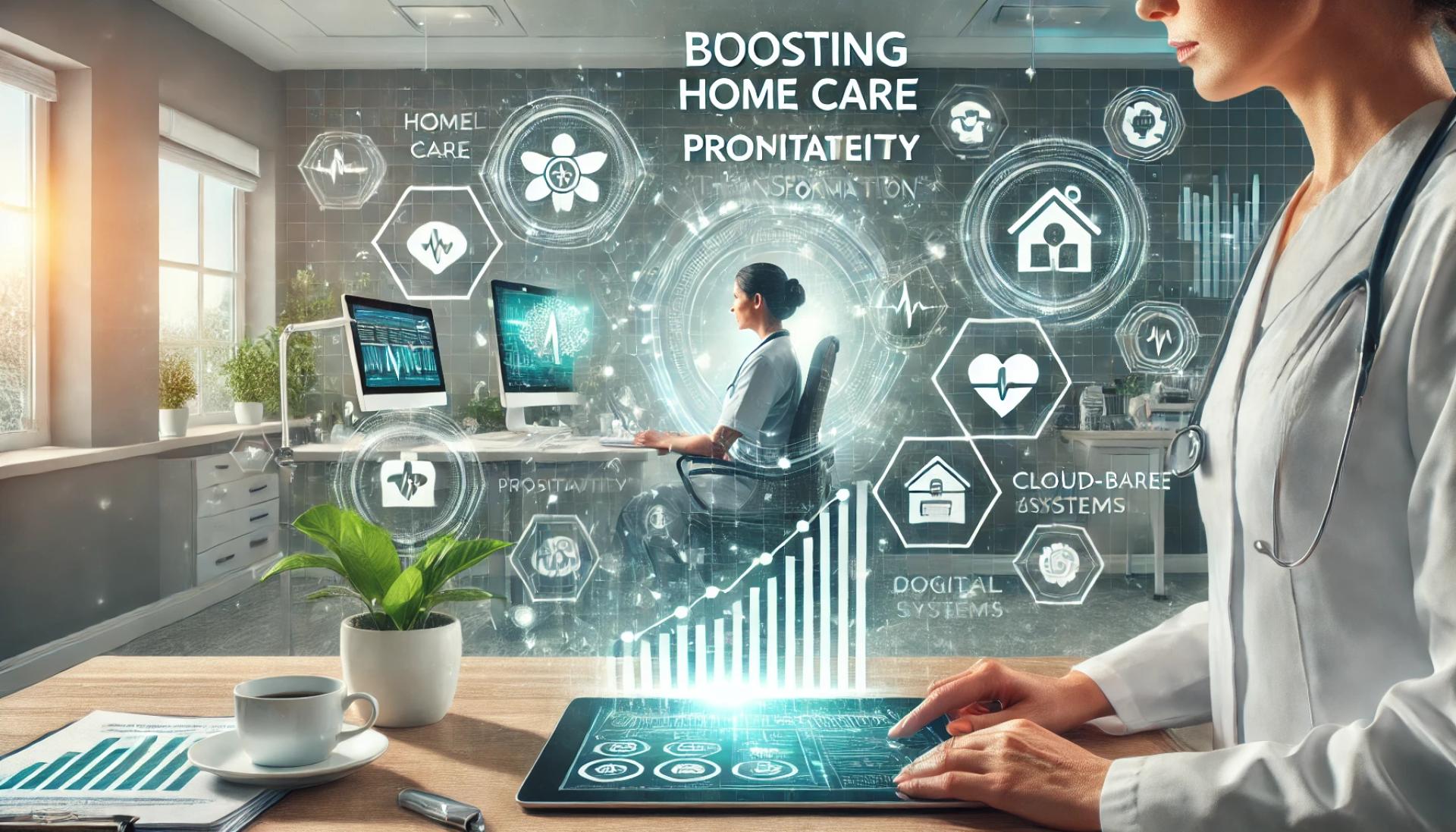

Healthcare is not what it used to be a decade ago, it has come a long way (in the positive direction). With the advancements in technology and the development of new tools, it has been a game changer for everyone involved in patient care, and not just patients. But what exactly are those advancements and benefits, and how is this healthcare transformation related to you? How does this matter to you? If you are interested in getting answers to any of these, go on reading this blog, it has something for everyone - the patients and the providers.
The Bigger Picture: Why Healthcare Needs a Refresh
Staying still is not an option in healthcare. If you do, it’s a game over for you. Why? Because, of the growing patient expectations, and difficult-to-solve operational challenges, this industry has to change fast to adapt to those challenges and deal with them efficiently and in a smart way. For patients, this is what they gain through this transformation in healthcare:
What Patients Stand to Gain
1. Easier Access to Care
Imagine you live in a rural area where the nearest hospital is miles away. Would you bother taking a long journey just to get advice from a specialist? Mostly, you won’t, unless it’s an emergency (because you can’t delay it then). Now, let’s talk about the same situation but in the technological era, now with the help of digital transformation services, you have options like telehealth and virtual consultations through which you can easily connect with your specialist over a video call. Sounds relaxing and life-saving, right. To be able to get the care when needed.
Even in cities, this transformation plays an important role, through it, you get access to the online portal for appointment bookings, view test results, and virtual communication with your doctor, all without having to step out of your home.
2. A Treatment Plan That Feels Tailored
No two people are exactly alike, so why should their treatment be? Data analytics helps solve this issue, allowing doctors to understand what works best for whom. Managing a chronic condition, planning a surgery, it helps in all.
Even managing diseases like diabetes is easier with wearable tracking devices through which you can track sugar levels, adjust medications, recommend lifestyle changes, all based on real-time insights. This kind of precision is what’s needed to make the healthcare more personalized and effective.
3. Taking Control of Your Health
Have you ever felt left out of your own healthcare decisions? Modern systems are changing that. Patients now have more access to their own health data and can actively participate in decisions about their treatment.
For example, many platforms let you monitor your progress or understand what’s working and what isn’t. It’s like having a road map of your health journey, helping you make choices with confidence.
4. Better Results, Fewer Complications
When care is well-coordinated, outcomes improve. Integrated healthcare systems mean your primary doctor, specialists, and even your pharmacist are on the same page. Miscommunication becomes less of a risk, and unnecessary treatments or tests are avoided.
The result? Faster recoveries, fewer errors, and a system that works to keep you healthier for longer.
How Decision-Makers Benefit
1. Streamlined Processes
Running a healthcare facility can feel like juggling too many balls at once. From scheduling staff to managing patient flow, inefficiencies can pile up quickly. However, with the help of Salesforce consulting services, automated tools, and data-driven systems, much of this guesswork is eliminated.
For instance, a hospital can use software to predict patient admissions during flu season, ensuring that resources are allocated wisely. This isn’t just about saving time—it’s about ensuring patients get the attention they deserve.
2. Keeping Costs in Check
Healthcare isn’t cheap, and keeping budgets in line is a constant challenge. Advanced systems help decision-makers identify wasteful spending or inefficiencies, whether it’s underused equipment or unnecessary procedures.
A clinic, for example, might notice that a specific test is ordered more often than necessary. By addressing such patterns, costs are better managed without compromising patient care.
3. Smarter Decisions, Backed by Data
Decision-making in healthcare isn’t about guesswork anymore. With dashboards and analytics tools, leaders have access to real-time insights. It’s easier to spot trends, address problems, and plan for the future.
Imagine spotting a rise in patients with a specific condition and proactively organizing resources to handle the demand. It’s about making decisions that are both timely and impactful.
4. Meeting Regulations with Confidence
Compliance with healthcare regulations can be a daunting task. Digital systems simplify this by tracking records, generating reports, and ensuring documentation is in place. This doesn’t just reduce the risk of penalties; it also builds trust with patients who expect their care to meet high standards.
The Ripple Effect: Why It Matters to Everyone
The benefits of healthcare transformation aren’t confined to hospitals or clinics. Patients feel more valued and involved in their care. Decision-makers find it easier to manage operations and provide better services. And when both sides work together seamlessly, the entire healthcare system functions more effectively.
It’s a shift that isn’t just about technology or policies—it’s about making healthcare work for people. Whether you’re on the receiving end of care or helping to deliver it, this transformation offers something valuable for everyone.





























Sign in to leave a comment.