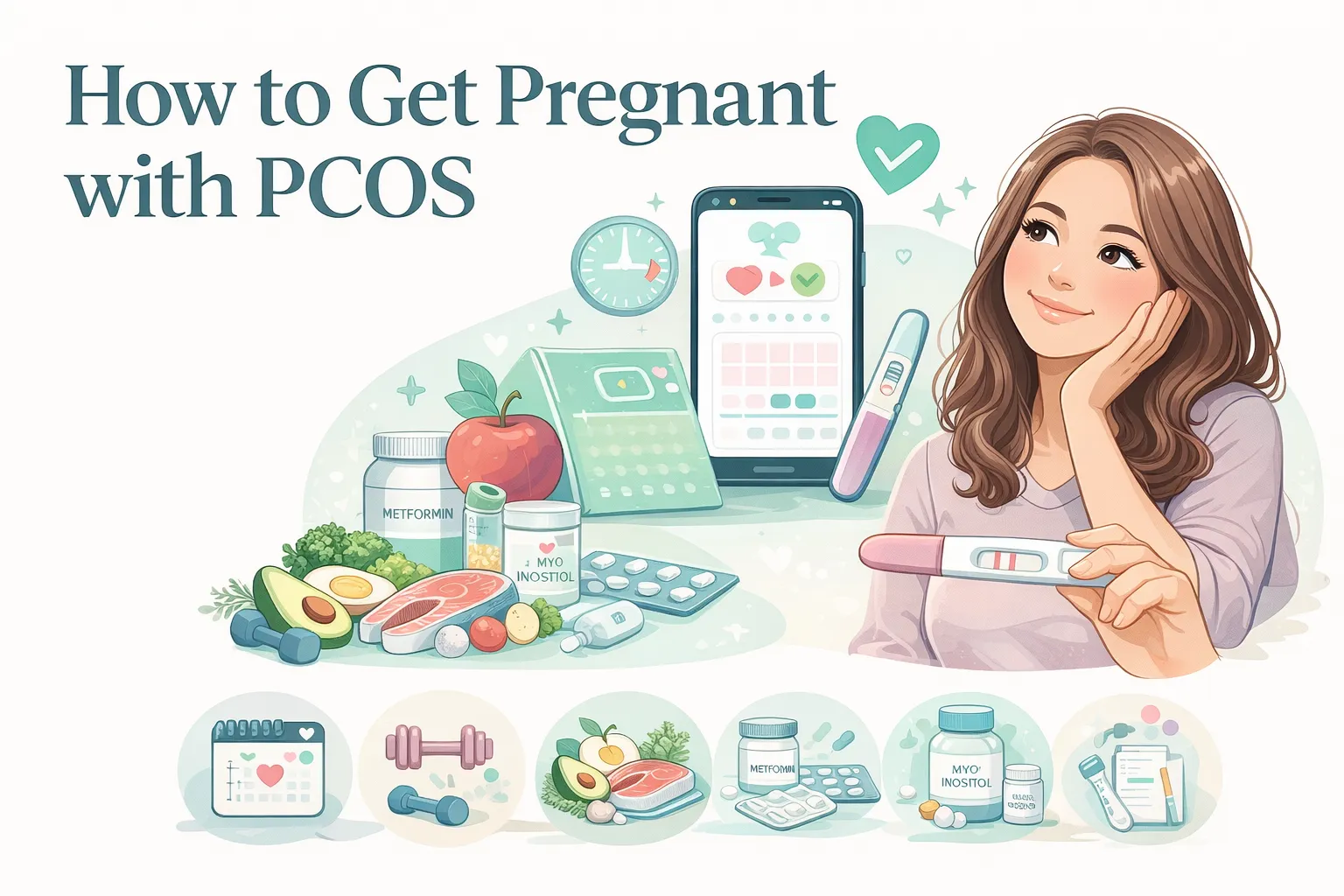

When you have PCOS and you want to have a baby, waiting feels unbearable. Every month that passes without a positive test carries a weight that is hard to explain. You know that your hormones are working against you, that your cycles are unpredictable, and that the advice given to other women does not apply to your situation in the same way.
This article covers what genuinely helps women with PCOS conceive faster, without wasting your time on advice that sounds good but does not move the needle.
Why PCOS Makes Conception Harder
PCOS disrupts ovulation. In a normal cycle, one egg matures and is released roughly once a month. In women with PCOS, the hormonal imbalance at the root of the condition interferes with this process. Eggs begin to develop but often do not reach the point of being released, which means conception cannot happen no matter how well everything else is timed.
The two main drivers behind this are elevated androgens and insulin resistance. Addressing both of these is the foundation of improving fertility with PCOS, and lifestyle changes can have a direct and meaningful effect on both of them, sometimes within weeks or months.
The Lifestyle Changes That Actually Work
For women with PCOS, lifestyle is medicine in a very real sense. These changes directly affect the hormonal environment your ovaries are working within.
Diet and insulin resistance
Improving insulin resistance is one of the fastest routes to more regular ovulation. The approach that works best focuses on stabilising blood sugar throughout the day.
- Choose low glycaemic index carbohydrates such as wholegrains, legumes, vegetables, and most fruits rather than white bread, sugary cereals, and processed snacks.
- Include protein at every meal from eggs, dairy, meat, fish, or plant-based sources, because protein slows carbohydrate absorption and prevents blood sugar spikes.
- Reduce sugar in all forms, including fruit juice, fizzy drinks, and flavoured yoghurts, since consistently high sugar intake is one of the most direct drivers of worsening insulin resistance.
For women with PCOS who are overweight, even a five to ten percent reduction in body weight can restore ovulation and significantly improve hormone levels. This is about the measurable physiological effect that modest weight loss has on the ovaries, not about reaching a particular number on the scale.
Exercise and sleep
Regular movement improves insulin sensitivity directly. A combination of moderate cardio such as brisk walking or cycling and strength training two to three times a week produces the strongest results. Chronic stress and poor sleep raise cortisol levels, which worsens hormonal imbalance and makes irregular ovulation more likely. Getting adequate sleep and actively managing stress are a legitimate and important part of improving fertility with PCOS.
Tracking Ovulation Accurately
Standard ovulation predictor kits are not always reliable for women with PCOS because elevated androgen levels can produce false positive results. More reliable approaches include:
- Basal body temperature tracking, which involves taking your temperature first thing every morning and looking for the consistent rise that follows ovulation.
- Advanced ovulation monitors that track multiple hormones rather than just one give a more complete and accurate picture for women with PCOS.
- Cervical mucus monitoring, observing changes in discharge throughout the cycle. Around ovulation, mucus typically becomes clearer, more slippery, and stretchy.
Ultrasound monitoring through your doctor, which directly confirms whether a follicle has developed and whether ovulation has occurred. For very irregular cycles, this is the most reliable option.
Supplements Worth Knowing About
- Myo-inositol has the strongest evidence base of any supplement for PCOS and fertility. It improves insulin sensitivity, reduces androgen levels, and supports more regular ovulation. Many women notice improvements in their cycle within two to three months.
- Folic acid should be started at least one to three months before trying to conceive. This is particularly important with PCOS since the timing of conception is harder to predict.
- Vitamin D deficiency is more common in women with PCOS and is associated with worse hormonal symptoms. Getting levels checked is a simple and worthwhile step.
- Omega-3 fatty acids reduce inflammation and have shown benefit for hormonal balance and insulin sensitivity in PCOS.
Always discuss supplements with your doctor before starting them.
When to consider IVF:
For women with PCOS who have not conceived after ovulation induction with medication, or for whom other factors such as tubal issues or male factor infertility are also present, IVF is a highly effective next step. Women with PCOS generally respond well to IVF because their ovaries tend to produce a good number of eggs when stimulated.
Choosing the best IVF center in Indore makes a significant difference to the experience and the outcome.
When to Seek Medical Help
There is no need to wait a full year before seeking specialist support if you have PCOS. Most doctors recommend seeking advice after six months of trying, or sooner if cycles are very irregular or absent. Ovulation induction with letrozole, now the first-line medication for PCOS-related infertility, helps many women ovulate successfully within the first one to three treatment cycles. For women who need a further step, IVF is highly effective for PCOS patients, since the ovaries typically respond well to stimulation. Finding the right clinic, one with a dedicated PCOS protocol, experienced specialists, and transparent success rates, makes a significant difference to both the experience and the outcome.
A Final Word
PCOS makes the road to pregnancy longer for some women, but it does not close the door. Start the lifestyle changes, get a clear picture of whether you are ovulating, seek medical advice sooner rather than later, and find a specialist who truly understands PCOS. The right support from a infertility specialist at the right time, makes all the difference.


























Sign in to leave a comment.