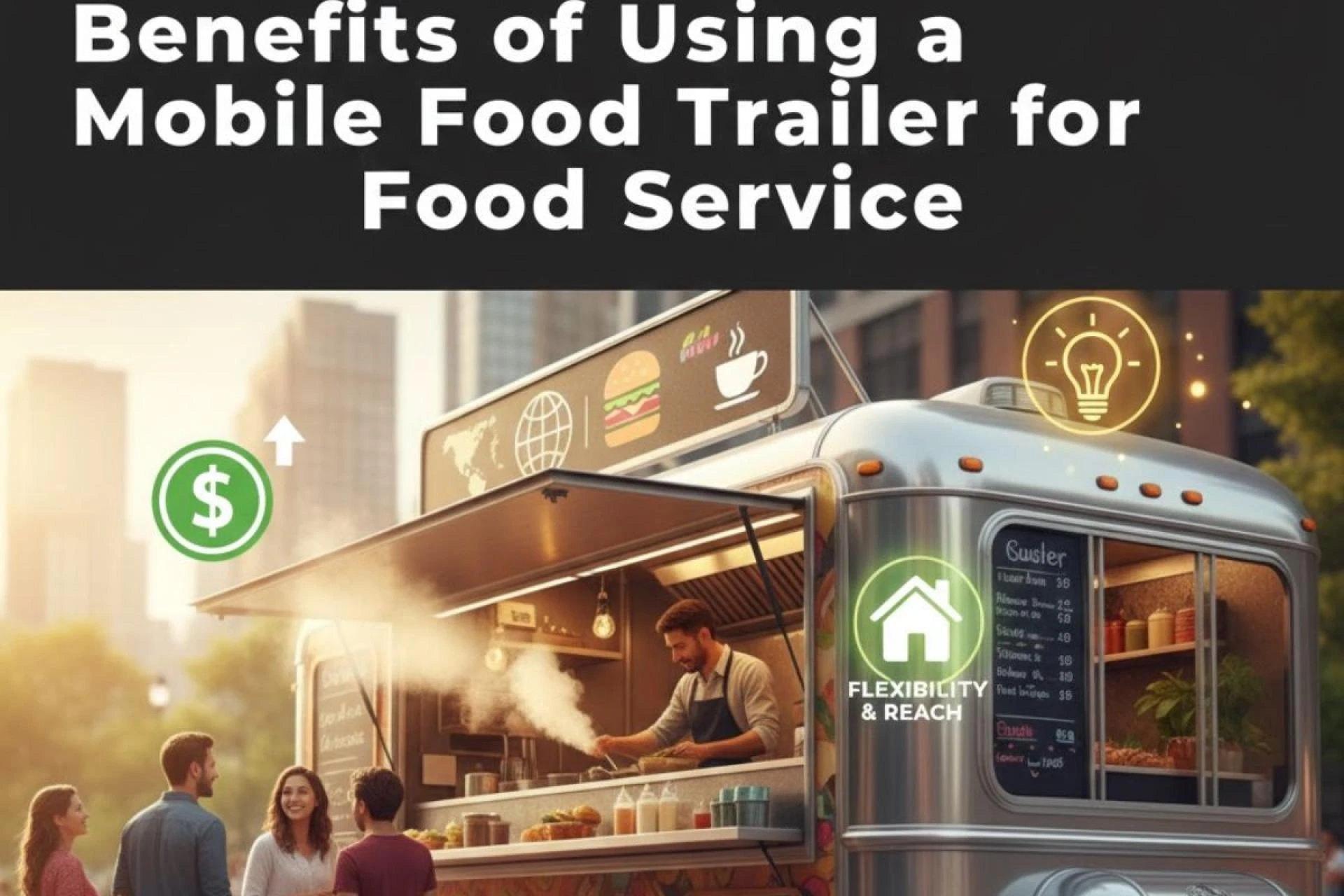
There’s something quietly exciting about food on wheels. You smell it before you see it. You hear the sizzle, the low chatter, maybe a generator humming nearby. Somewhere in the middle of all that sits a mobile food trailer, parked with purpose, doors open, ready to serve. This setup isn’t just a trend that popped up overnight. It feels more like a response to how people actually live, move, eat, and gather now.
We’ve spent time around food vendors, event organizers, and small food business owners. Some are new, some have scars from trial and error. A common thread keeps showing up. Mobility changes everything.
Lower Startup Costs That Actually Feel Manageable
Starting a food business can feel heavy before the first plate is served. Rent deposits. Long leases. Interiors. Permits that stack up like paper cuts. A mobile food trailer changes that rhythm. The entry cost stays within reach for many vendors who would never touch a brick-and-mortar space.
There’s no pressure to sign a multi-year lease. No silent dining room during off hours. We’ve seen vendors test menus with real customers instead of guessing behind closed doors. Mistakes cost less. Adjustments happen faster. That matters more than most people admit.
Location Freedom That Fits Real Life
Static locations lock you into foot traffic patterns that may or may not show up. A food trailer moves with the crowd. Busy lunch area today. Festival tomorrow. Private catering next weekend.
Local food trailer business owners often park near offices during weekdays, then roll into community events on weekends. That flexibility opens doors. It also reduces the quiet, uncomfortable hours where nothing sells. The phrase “food trailer near me” didn’t become popular by accident. People expect food to meet them where they already are.
Closer Connection With Customers
There’s no wall between the cook and the customer. Conversations happen naturally. People ask questions. They watch food being made. That builds trust without effort.
We’ve noticed repeat customers come back not only for the food, but for familiarity. Same trailer. Same faces. Same smell drifting through the air. A mobile kitchen makes the experience personal. Sometimes messy. Often memorable. Those moments stay with people longer than polished dining rooms ever could.
Easier Menu Testing Without Big Risk
Menus evolve. What looks good on paper doesn’t always sell in real life. A mobile food trailer allows fast menu changes. One weekend special can turn into a permanent favorite. Something unpopular quietly disappears without drama.
Street food vendors especially benefit here. They respond to weather, crowds, even moods. Hot soup sells on rainy days. Cold drinks move faster under the sun. Being able to adjust without rewriting a lease agreement feels freeing.
Stronger Presence at Events and Pop-Ups
Events want food vendors who can arrive ready and leave clean. Trailers fit that expectation naturally. Music festivals, fairs, sports events, local markets. All of them rely on food vendors who know how to work within temporary spaces.
Event organizers often search directly for mobile food trailer vendors because setup time stays predictable. Power needs are clear. Space planning stays simple. That reliability brings repeat invites, which quietly builds a calendar without much advertising.
Brand Visibility That Moves Around
A food trailer works like a rolling billboard. Graphics. Colors. A name people remember. You don’t need expensive ads when your brand parks in different neighborhoods each week.
We’ve watched customers take photos, share locations, tag trailers online. That organic exposure spreads fast. It doesn’t feel forced. It feels earned. A well-designed trailer becomes recognizable long before customers remember the menu details.
Simplified Staffing Needs
Smaller space naturally limits overstaffing. Most trailers run efficiently with a lean team. Communication stays clear because everyone works close together. There’s no shouting across rooms. No lost orders slipping between stations.
That simplicity helps new owners avoid burnout early on. Labor costs stay predictable. Training feels faster. People settle into routines without friction.
Maintenance That Stays Understandable
Trailers contain fewer hidden surprises than older buildings. Equipment sits within reach. Plumbing runs shorter lines. Issues appear quickly instead of hiding behind walls for months.
Routine checks become habits. Clean-down happens faster. When something breaks, it’s visible. That transparency reduces stress. It also reduces downtime, which matters when income depends on daily service.
Adaptability Across Different Food Concepts
One week it’s tacos. Another week, desserts. We’ve seen trailers shift concepts seasonally without rebuilding everything. The kitchen layout stays flexible. Storage adapts. Equipment swaps stay realistic.
This adaptability attracts creative cooks who don’t want to feel boxed in. It also attracts investors who prefer models that adjust without collapsing.
Stronger Appeal in Local Markets
Community-based food scenes continue to grow. Local events, neighborhood markets, outdoor gatherings. A mobile food trailer fits naturally into these spaces. It doesn’t overpower the setting. It complements it.
People trust vendors they see regularly. Parking in familiar areas builds that trust quietly. No loud promises. Just consistency.
Scalable Growth Without Overcommitment
Growth doesn’t always mean bigger buildings. Sometimes it means more trailers. Different locations. Same brand, shared systems.
We’ve watched owners add a second trailer once the first stabilized. Same recipes. Same suppliers. New revenue stream. Risk stays spread instead of stacked.
Real-World Use Beyond Daily Service
Trailers work well for catering, private events, weddings, brand launches. Some vendors earn a large portion of income from booked events rather than daily sales. That mix balances seasonal slowdowns.
Clients like the novelty. Guests remember the experience. Food feels interactive rather than distant.
Why Food Entrepreneurs Keep Choosing Trailers
Not because it’s easy. Because it’s flexible. Because mistakes cost less. Because connection feels real. A mobile food trailer gives food service owners room to breathe while still earning.
It’s not perfect. Tight spaces get hot. Long days feel longer. Weather changes plans without warning. Still, many vendors wouldn’t trade it. The freedom outweighs the discomfort.
Sign in to leave a comment.