
Off-road driving requires more than a capable vehicle. Proper tire pressure management plays a major role in traction, ride comfort, vehicle control, and tire life. Whether you're heading to rocky trails, sandy dunes, muddy paths, or remote backcountry routes, having the right equipment to adjust tire pressure can make every trip more efficient.
A quality air up and down kit allows drivers to quickly lower tire pressure before entering challenging terrain and inflate tires back to highway pressure when the adventure is over. This simple process helps improve grip, reduce tire damage, and enhance overall off-road performance.
Many experienced drivers rely on a complete tire inflation and deflation setup because it saves time and eliminates the guesswork often associated with pressure adjustments. Understanding what features matter most can help you choose equipment that matches your driving style and vehicle requirements.
Why Tire Pressure Matters During Off-Road Travel
Tires are the only point of contact between your vehicle and the ground. Adjusting pressure according to terrain conditions can significantly impact performance.
Lower tire pressure can:
- Increase tire footprint
- Improve traction on loose surfaces
- Enhance ride comfort
- Reduce wheel spin
- Improve vehicle stability on difficult terrain
Higher tire pressure can:
- Improve fuel efficiency
- Enhance highway handling
- Reduce tire wear
- Increase load-carrying capability
Without proper pressure management tools, transitioning between trail and pavement becomes inconvenient and time-consuming.
What Is an Air Up and Down Kit?
An air up and down kit is a collection of tools designed to help off-road drivers quickly deflate and inflate their tires. These kits often include tire deflators, pressure gauges, air hoses, inflation accessories, and connection fittings.
The goal is simple: reduce setup time while maintaining accurate tire pressure readings.
Most kits are designed to work with portable air compressors and provide drivers with everything needed to manage tire pressure efficiently in the field.
Key Components Found in a Quality Kit
Understanding the major components can help buyers make informed decisions.
Tire Deflators
Tire deflators remove air quickly while allowing users to monitor pressure levels. Adjustable models enable drivers to reach desired pressures consistently.
Benefits include:
- Faster pressure reduction
- Greater accuracy
- Reduced manual effort
- Consistent results
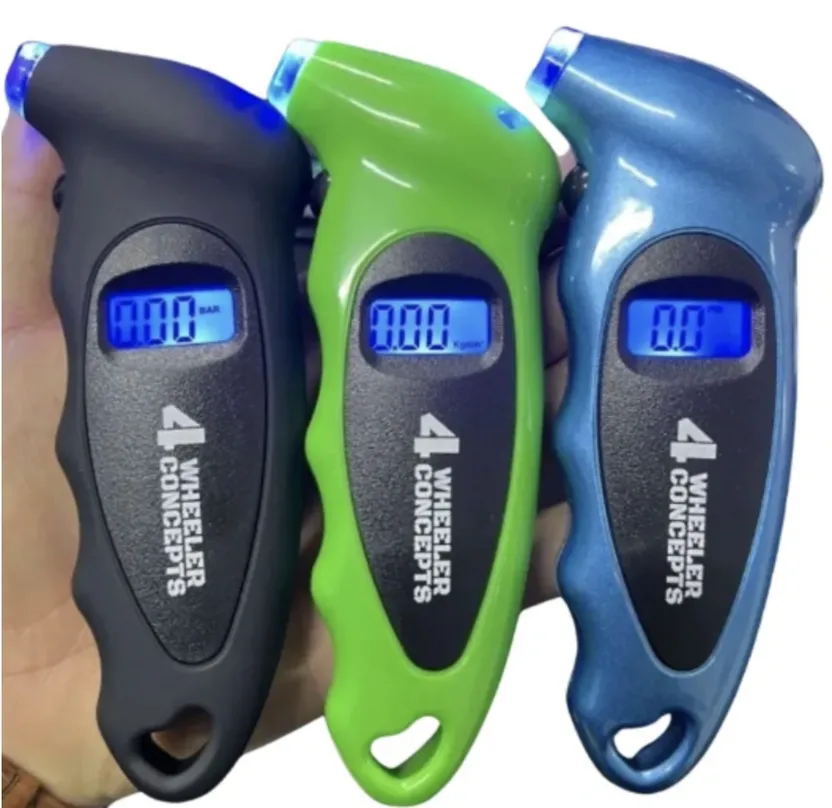
Pressure Gauges
Accurate tire pressure readings are essential for safe driving.
A reliable gauge should provide:
- Easy-to-read measurements
- Durable construction
- Consistent accuracy
- Protection against dust and moisture
Air Hoses
Air hoses connect compressors to tires and distribute airflow efficiently.
Important considerations include:
- Hose length
- Durability
- Flexibility
- Weather resistance
Inflation Accessories
Inflation accessories often include fittings, connectors, and valve attachments that simplify the process of reinflating tires after a trail ride.
Benefits of Using an Air Up and Down Kit for Jeep Off-Road Adventures
Jeep owners frequently encounter changing terrain conditions during trail rides. An Air up and down kit for Jeep off-road adventures helps drivers quickly adapt tire pressure to match the environment.
Benefits include:
- Improved traction on rocky trails
- Better flotation in sand
- Reduced tire slippage in mud
- Faster transition back to highway pressure
- Improved overall trail efficiency
Many Jeep enthusiasts consider tire pressure management one of the most important aspects of off-road preparation.
How the Right Tire Pressure Improves Off-Road Performance
Different terrains require different pressure levels.
Sand
Lower pressure helps tires spread out and float on the surface rather than digging into soft sand.
Rocks
Reduced pressure allows tires to conform to uneven surfaces, creating more grip and stability.
Mud
A larger tire footprint helps maintain traction and reduces wheel spin.
Snow
Lower pressure can improve flotation and traction in deep snow conditions.
Adjusting tire pressure according to terrain often leads to a smoother and more controlled driving experience.
Features to Look for Before Buying
Not all kits provide the same level of performance. Buyers should evaluate several important features.
Accuracy
Pressure readings should remain consistent and dependable.
Build Quality
Durable materials help equipment withstand harsh environments.
Ease of Use
Simple operation reduces setup time and minimizes frustration.
Portability
Compact storage makes transportation easier during long trips.
Compatibility
Ensure the kit works with your compressor, tire valves, and vehicle setup.
Weather Resistance
Off-road conditions often expose equipment to dirt, dust, water, and temperature changes.
Common Mistakes Drivers Make
Many off-road enthusiasts unknowingly make mistakes that impact tire performance.
Guessing Tire Pressure
Estimating pressure without a gauge often results in poor traction and uneven handling.
Over-Deflating Tires
Extremely low pressure increases the risk of tire damage and bead separation.
Ignoring Manufacturer Recommendations
Vehicle manufacturers provide pressure guidelines that should serve as a baseline.
Skipping Pressure Checks
Terrain conditions can cause pressure fluctuations throughout a trip.
Regular monitoring helps maintain optimal performance.
How to Use an Air Pressure Management Kit
The process is straightforward.
Step 1: Check Current Pressure
Use a quality gauge to determine existing tire pressure.
Step 2: Deflate Tires
Lower pressure gradually until reaching the desired level.
Step 3: Verify Readings
Confirm pressure on all tires to ensure consistency.
Step 4: Drive the Trail
Monitor vehicle performance and make adjustments if needed.
Step 5: Reinflate Tires
Before returning to pavement, inflate tires back to recommended road pressure.
Following these steps helps maximize tire life and vehicle safety.
Why Off-Road Enthusiasts Prioritize Tire Management
Experienced drivers understand that traction often depends more on tire pressure than expensive vehicle modifications.
Benefits include:
- Improved vehicle control
- Reduced suspension stress
- Better fuel efficiency after reinflation
- Enhanced driver confidence
- More predictable handling
Small adjustments can produce noticeable improvements across various terrain types.
Choosing Equipment from a Trusted Off-road gear store
Purchasing from a reputable Off-road gear store helps ensure product quality, customer support, and compatibility with modern off-road vehicles.
Trusted suppliers typically offer:
- Durable products
- Reliable pressure gauges
- High-quality fittings
- Vehicle-specific solutions
- Expert product guidance
Selecting dependable equipment can improve long-term performance and reduce replacement costs.
Maintenance Tips for Long-Term Reliability
Proper maintenance extends equipment life.
Keep Components Clean
Remove dirt and debris after each trip.
Inspect Hoses Regularly
Look for cracks, leaks, or damaged fittings.
Store Equipment Properly
Keep components dry and protected when not in use.
Check Gauge Accuracy
Periodic testing ensures consistent readings.
Replace Worn Parts
Damaged seals and connectors can affect performance.
Routine care helps maintain reliability during demanding off-road conditions.
Best Situations for Using Tire Inflation and Deflation Equipment
Pressure management tools are useful in many situations:
- Trail riding
- Overlanding trips
- Sand dune travel
- Rock crawling
- Mud driving
- Snow adventures
- Backcountry exploration
- Camping excursions
Drivers who frequently encounter varying terrain conditions often benefit the most from a complete pressure management system.
Final Thoughts
Managing tire pressure properly remains one of the simplest ways to improve off-road performance. A dependable air up and down kit helps drivers adapt quickly to changing terrain while maintaining safety and vehicle control.
Whether tackling rocky mountain trails, sandy coastal routes, muddy backroads, or extended overlanding adventures, the right tire pressure setup can make a significant difference. Investing in quality equipment from a reliable Off-road gear store provides the tools needed for consistent performance and a more efficient off-road experience.
























Sign in to leave a comment.