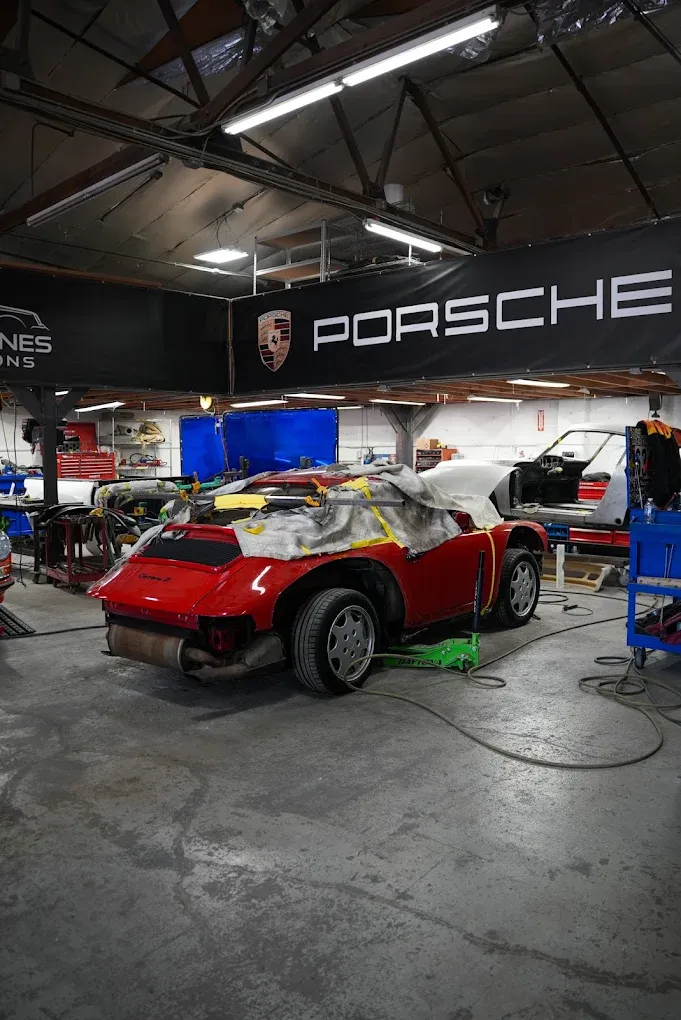

It's easy to become excited about new wheels, performance upgrades, or custom paint, but experienced builders know that the planning stage often determines the quality of the finished vehicle. Careful preparation helps avoid unnecessary changes, prevents incompatible modifications, and creates a project that delivers both style and performance.
If you're considering a custom vehicle build, investing time in planning before turning the first wrench can make the entire experience smoother and more enjoyable.
Define the Purpose of Your Build
Every successful custom project begins with one simple question: What do you want the vehicle to do?
The answer influences every decision that follows.
Some common goals include:
- Daily driving
- Weekend cruising
- Car shows
- Performance driving
- Classic restoration
- Off-road capability
- Personal styling
Trying to achieve every objective at once often creates unnecessary compromises.
I've noticed that one of the most common mistakes builders make is changing direction halfway through a project. What begins as a comfortable street build gradually turns into a track-focused vehicle, requiring parts that replace upgrades installed only months earlier.
Having a clear vision from the beginning keeps the project focused.
Choose the Right Starting Vehicle
Not every vehicle is equally suited for every type of build.
Before purchasing parts, evaluate the condition of the vehicle itself.
Consider:
- Structural integrity
- Rust condition
- Mechanical health
- Parts availability
- Previous modifications
- Restoration history
A solid foundation often reduces future complications and provides greater flexibility for customization.
Create a Complete Project Plan
Rather than purchasing upgrades one at a time, organize the entire project before work begins.
Your plan might include:
- Suspension
- Wheels and tires
- Engine improvements
- Brake upgrades
- Paint and bodywork
- Interior modifications
- Electrical improvements
Viewing the project as a complete package helps identify how different systems interact.
Planning also reduces the likelihood of purchasing components that later become incompatible with future upgrades.
Prioritize Reliability First
Performance and appearance are exciting, but reliability should always remain a priority.
Before adding power or cosmetic modifications, inspect and repair:
- Engine components
- Cooling system
- Brakes
- Steering
- Suspension
- Fuel system
- Electrical wiring
Building on a dependable platform allows every future modification to perform as intended.
Skipping essential maintenance often leads to avoidable setbacks later in the project.
Select Parts That Complement One Another
One of the defining characteristics of successful custom vehicles is balance.
Each modification should support the overall objective rather than simply adding another aftermarket component.
For example:
- Suspension upgrades should complement wheel selection.
- Brake improvements should match performance expectations.
- Tire choice should support suspension tuning.
- Engine upgrades should be accompanied by appropriate cooling improvements.
When systems work together, the vehicle feels refined rather than over-modified.
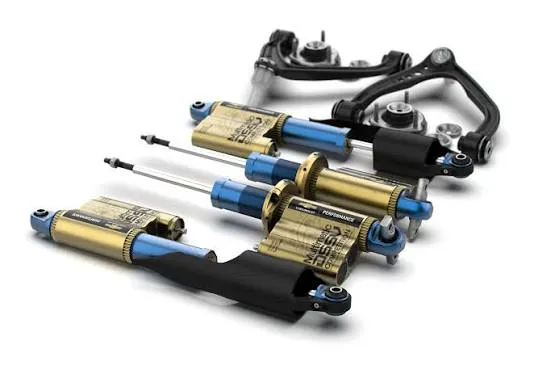
Don't Underestimate Suspension
Many builders focus first on horsepower, but suspension often produces the greatest improvement in overall driving experience.
Quality suspension upgrades improve:
- Steering response
- Stability
- Ride quality
- Cornering confidence
- Tire contact
A properly balanced suspension setup allows drivers to enjoy every aspect of the vehicle, whether on winding roads or everyday commutes.
Insider tip: Measure the vehicle's ride height before beginning suspension work and document every adjustment during installation. Keeping accurate records makes future alignment changes and suspension tuning much easier.
Plan Paint and Bodywork Carefully
Paint is often one of the final stages of a custom project, but planning for it should happen much earlier.
Body modifications, panel fitment, trim selection, and lighting upgrades all influence the final appearance.
Professional bodywork requires patience.
Surface preparation, panel alignment, and careful finishing contribute just as much to the final result as the paint color itself.
Making body changes after painting usually creates unnecessary additional work.
Organize Parts Before Installation
As projects grow, managing parts becomes increasingly important.
Simple organization can prevent delays later.
Helpful practices include:
- Label removed hardware
- Store fasteners by assembly
- Photograph disassembly
- Keep replacement parts together
- Record installation notes
Insider tip: Use small labeled containers for clips, bolts, and brackets from each section of the vehicle. Many components appear identical but differ slightly in length or thread size, and proper organization saves significant time during reassembly.
Leave Room for Professional Adjustments
Even carefully planned builds benefit from professional setup after installation.
Examples include:
- Suspension alignment
- Engine tuning
- Brake inspection
- Wheel balancing
- Paint correction
- Electrical testing
These final adjustments allow upgraded components to perform together as intended.
According to the specialists at perfect lines restoration, the most successful custom vehicle projects begin with thoughtful planning, careful component selection, and a commitment to balancing performance, appearance, and long-term reliability rather than focusing on individual modifications in isolation.
Be Patient Throughout the Process
Custom vehicle projects rarely follow a perfectly predictable schedule.
Unexpected repairs, parts availability, or design revisions may require adjustments along the way.
Rather than rushing to completion, experienced builders evaluate each stage carefully before moving forward.
Patience consistently produces higher-quality workmanship and fewer compromises.
The most memorable custom vehicles are often the result of disciplined decision-making rather than fast completion.
Enjoy the Journey
While everyone looks forward to driving the finished vehicle, the building process itself offers valuable experiences.
Each stage presents opportunities to learn new skills, solve problems, and better understand how automotive systems work together.
Many enthusiasts discover that the planning, research, and craftsmanship become just as rewarding as the completed project itself.
Final Thoughts
Planning a successful custom vehicle project involves much more than selecting attractive parts or increasing performance. It requires a clear vision, careful preparation, reliable mechanical foundations, compatible upgrades, and patience throughout every stage of the build.
Also read for more information so click here.





















Sign in to leave a comment.