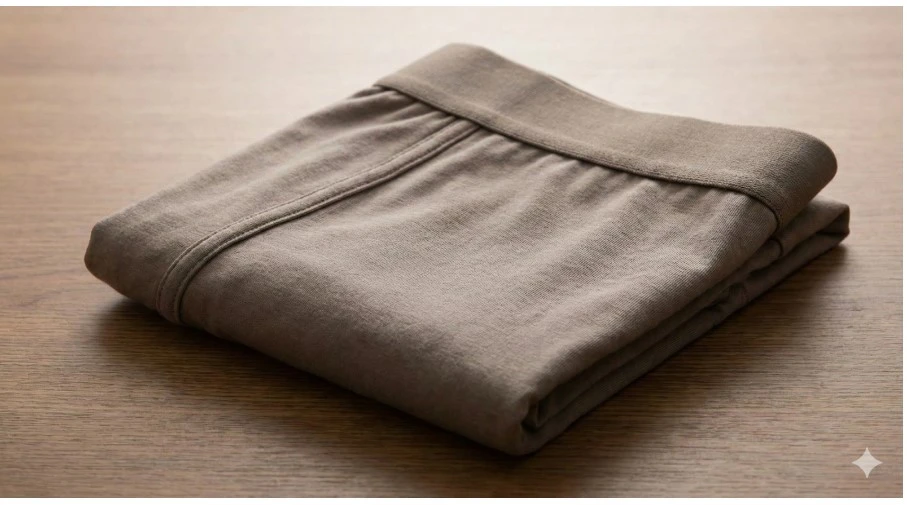
Finding the perfect pair of underwear is often a silent battle for many men. It is a wardrobe essential that is frequently overlooked until it becomes a source of daily annoyance. Among the most common and irritating complaints is the dreaded wedgie, a situation where fabric shifts, bunches, and rides up into places it shouldn't. This not only causes physical discomfort but also leads to constant, awkward adjusting throughout the day.
See more about boxers wedgie – RMAC Store
Best Anti-Wedgie Boxers for Men
When searching for the best anti-wedgie boxers, it is essential to look for features that anchor the garment to the body without being restrictive. The most effective designs typically feature a longer inseam, often around six to nine inches, which sits lower on the thigh and is less prone to rolling up. Additionally, fabrics like Modal, bamboo viscose, and high-quality nylon blends offer superior stretch and recovery compared to traditional cotton, meaning they return to their original shape rather than bagging out and bunching up.
However, the true game-changer in preventing wedgies is the pouch. Traditional flat-front boxers crush everything against the body, creating friction and movement that pulls the fabric inward. Newer designs with anatomical pouches separate the anatomy from the inner thighs. This separation not only reduces chafe but also anchors the front of the underwear, making it mechanically difficult for the back of the underwear to ride up. By prioritizing these structural elements, pouch separation, leg grip, and fabric memory, men can finally say goodbye to the constant need for adjustment.
Why Fabric Choice Matters
The material of your underwear plays a massive role in whether or not you will spend your day adjusting it. As noted with RMAC Store, premium blends like Modal are superior because they handle moisture and movement better than basic textiles.
Standard cotton is hydrophilic, meaning it absorbs water (sweat) and holds onto it. Wet cotton gets heavy, loses its shape, and creates high friction, the perfect recipe for a wedgie. In contrast, technical fabrics and advanced naturals like Modal or Lyocell wick moisture away and maintain a smooth surface. This "slip" allows your pants to move over your boxers without dragging them upward. When choosing your next pair, checking the label for a blend of natural softness and synthetic stretch is the first step toward a wedgie-free life.
The Importance of the Waistband
It is easy to focus on the legs and the pouch, but the waistband is the anchor of the entire garment. If a waistband is too loose, the underwear slides down; if it is too soft, it folds over. Both scenarios lead to fabric bunching in the rear.
Finding the Right Size
Perhaps the most common reason for underwear riding up is simply wearing the wrong size. Many men wear underwear that is too large, thinking it provides more room, but excess fabric inevitably bundles up. Conversely, underwear that is too small will naturally try to migrate to the narrowest part of the body (the waist), pulling the leg openings up with it.
FAQ
Why do my boxers keep riding up?
This is usually caused by three factors: the legs are too short (trunks vs. boxer briefs), the fabric has lost its elasticity (old cotton), or the size is incorrect. Underwear that is too loose will bunch up, while underwear that is too tight will be pulled upward by the movement of your thighs.
Are boxer briefs better than boxers for preventing wedgies?
Yes, generally speaking. Loose boxer shorts have excess fabric that easily bunches inside trousers. Boxer briefs feature a form-fitting leg that grips the thigh, anchoring the fabric and preventing it from migrating upward.
What is the best fabric to prevent wedgies?
Fabrics with good "memory" and "slip" are best. Modal, bamboo viscose, and nylon blends with Spandex are ideal. They hug the body without sagging and allow outer clothing to glide over them. Avoid 100% cheap cotton if you have issues with riding up.
How does a pouch help prevent wedgies?
A pouch, like the one found in RMAC Store products, separates your anatomy from your legs. This prevents the "tug-of-war" that happens when you walk. By isolating the front, the tension on the rear panel is reduced, helping the back of the underwear stay in place.
How often should I replace my underwear to maintain the fit?
You should replace underwear every 6 to 12 months. Over time, the elastane (elastic fibers) breaks down due to washing and heat. Once the elasticity is gone, the leg bands won't grip, and the waistband won't hold, leading to immediate riding up.




























Sign in to leave a comment.