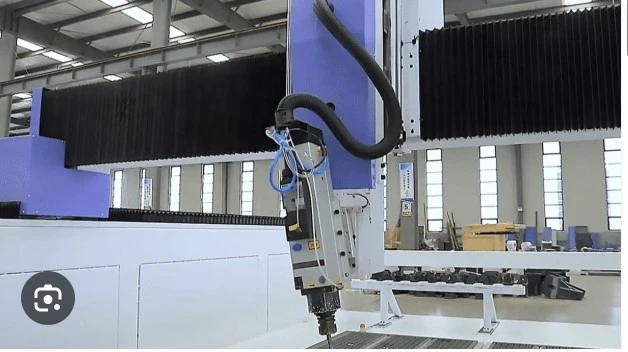
CNC spindle motors are the heart of precision machining, responsible for driving cutting tools at high speeds. During extended operations, these motors generate significant heat, which can affect accuracy, reduce motor lifespan, and cause machine downtime. Implementing effective spindle cooling solutions is essential to maintain optimal performance and ensure the longevity of CNC equipment.
Proper cooling not only protects the spindle cooling solutions motor but also improves machining quality, reduces maintenance costs, and enhances overall operational efficiency.
Why Spindle Cooling Is Important
Prevents Overheating
High temperatures can damage motor windings, bearings, and other components. Cooling systems help maintain safe operating temperatures.
Maintains Machining Accuracy
Thermal expansion of spindle components can affect precision. Proper cooling ensures consistent dimensions and surface finish in machined parts.
Extends Motor Life
Controlling temperature reduces wear on bearings and insulation, prolonging the service life of the spindle motor.
Reduces Downtime
Efficient cooling minimizes the risk of thermal trips or motor failures, allowing uninterrupted production.
Enhances Safety
Prevents electrical and mechanical hazards caused by excessive heat.
Types of Spindle Cooling Solutions
Air Cooling
Air-cooled spindles use internal fans or external blowers to dissipate heat. This is a cost-effective method suitable for light to moderate CNC operations.
- Advantages: Simple, low-cost, low maintenance
- Limitations: Less effective for high-speed or heavy-duty operations
Liquid Cooling
Water or oil-based cooling systems circulate coolant through the spindle housing to remove heat efficiently.
- Advantages: Excellent heat dissipation, maintains stable temperature under heavy loads
- Limitations: Higher cost, requires regular maintenance to prevent leaks or contamination
Hybrid Cooling
Combines air and liquid cooling to maximize efficiency in high-performance CNC machines.
- Advantages: High thermal control, suitable for continuous operations
- Limitations: More complex system, requires skilled maintenance
Thermoelectric Cooling
Uses Peltier elements to transfer heat away from the spindle. Typically used in compact or specialized applications.
- Advantages: Precise temperature control
- Limitations: Limited cooling capacity, higher cost
Implementing Effective Cooling
Step 1: Select the Appropriate Cooling System
- Consider spindle power, speed, and duty cycle
- Evaluate operating environment and space constraints
- Match cooling type to machining requirements
Step 2: Maintain Cooling Equipment
- Clean fans, filters, and heat exchangers regularly
- Monitor coolant levels and quality in liquid systems
- Inspect hoses, seals, and connections for leaks
Step 3: Monitor Spindle Temperature
- Use temperature sensors or thermal imaging for real-time monitoring
- Set alarms for high-temperature conditions to prevent motor damage
Step 4: Optimize Operational Parameters
- Avoid prolonged heavy loads without breaks
- Adjust feed rates, spindle speeds, and cutting depth to reduce heat generation
- Schedule routine maintenance to prevent excessive thermal stress
Benefits of Proper Spindle Cooling
- Enhanced Performance: Stable spindle speed ensures accurate machining
- Reduced Downtime: Prevents thermal trips and equipment failure
- Longer Motor Life: Protects bearings, windings, and insulation
- Improved Product Quality: Minimizes thermal deformation for precision parts
- Cost Savings: Avoids costly repairs and replacement of spindle motors
Conclusion
Spindle cooling solutions are a critical component in CNC machine maintenance, ensuring reliable operation, precision, and longevity. By implementing appropriate cooling methods—air, liquid, hybrid, or thermoelectric—operators can maintain optimal spindle temperatures, prevent overheating, and improve overall machine efficiency.
Regular monitoring, preventive maintenance, and choosing the right cooling system for specific operational requirements are key to sustaining high-quality machining and extending the life of CNC spindle motors.
Frequently Asked Questions
Why is spindle cooling important?
It prevents overheating, maintains machining accuracy, extends motor life, and reduces downtime.
What types of spindle cooling systems are available?
Air cooling, liquid cooling, hybrid cooling, and thermoelectric cooling are common solutions.
How can I monitor spindle temperature?
Temperature sensors, thermal imaging cameras, or built-in CNC monitoring systems can track spindle temperature in real-time.
Can cooling improve product quality?
Yes, maintaining stable spindle temperatures prevents thermal expansion and ensures precision in machined parts.
How often should spindle cooling systems be maintained?
Regular maintenance should be performed according to manufacturer recommendations, typically every few weeks to months depending on usage and system type.























Sign in to leave a comment.