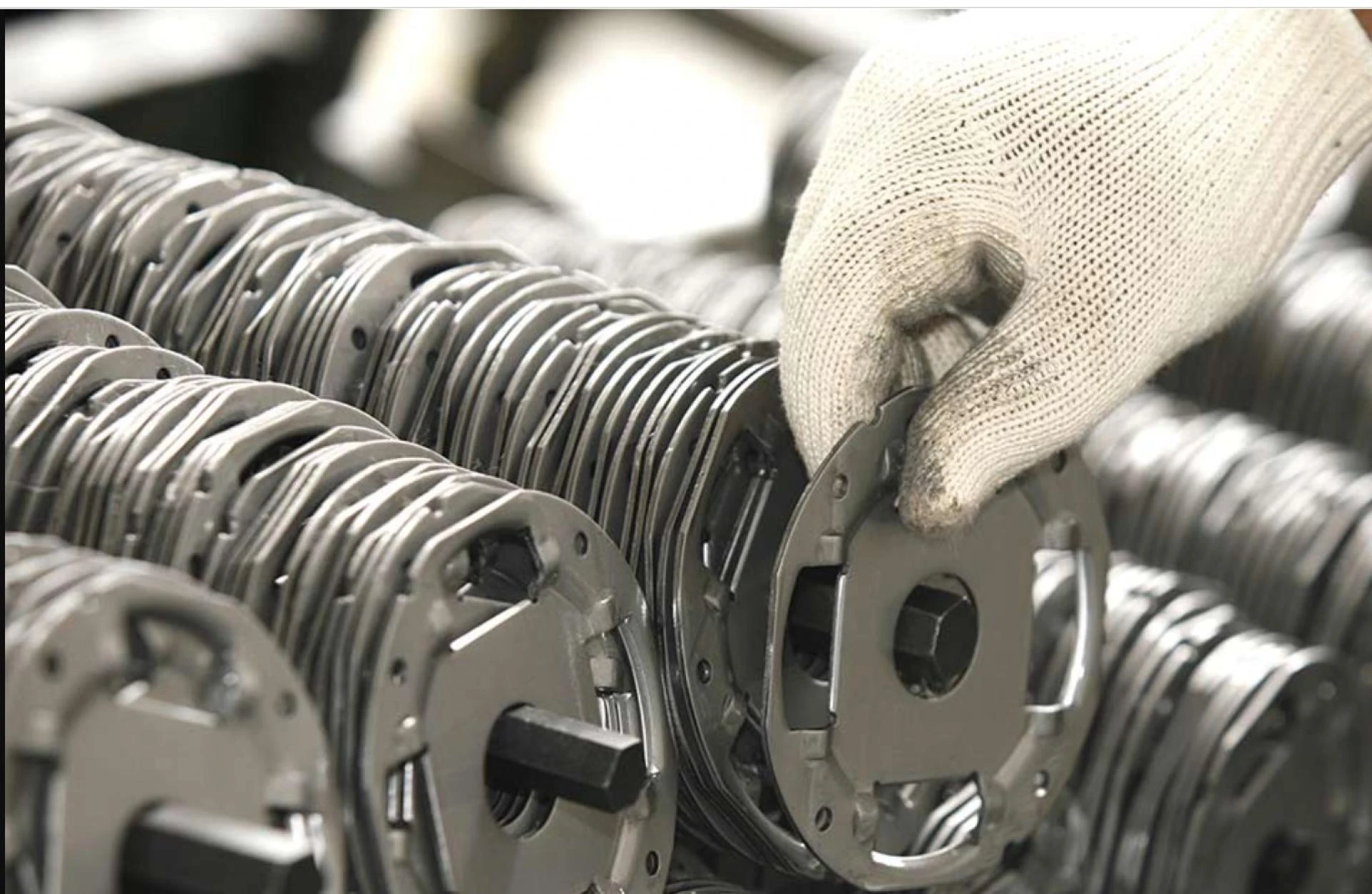
Sheet metal fabrication is a vital part of numerous industries, including automotive, aerospace, construction, and consumer products. The ability to bend metal accurately and efficiently is essential for producing high-quality components that meet design specifications and performance standards. One method that has gained prominence in recent years is air bending, known for its flexibility, precision, and cost efficiency. Central to this process is the press brake air bending technique, which allows manufacturers to achieve precise angles and consistent results with minimal tooling. This article explores the air bending industry, the role of press brake air bending, its applications, advantages, and modern technological trends.
Understanding Air Bending
Air bending is a sheet metal forming process where the punch does not force the material entirely into the die. Instead, the sheet only contacts the die at specific points, allowing the bend angle to be controlled by adjusting the depth of the punch stroke. This differs from bottoming or coining, where the sheet fully conforms to the die. Air bending reduces the force required, minimizes wear on tooling, and offers the ability air bending press brake to produce multiple angles using a single die. This adaptability makes air bending particularly useful for manufacturers who need both versatility and precision in metal forming operations.
What is Press Brake Air Bending?
Press brake air bending is the application of a press brake machine specifically for air bending operations. The machine uses a punch and die system to bend sheet metal at a precise angle without forcing full contact with the die. By controlling the depth of the punch stroke, operators can achieve different bend angles on the same die, reducing tooling costs and setup times. This method is widely used across industries for both high-volume and custom fabrication because it allows for flexibility in design while maintaining consistent quality.
How Press Brake Air Bending Works
The process begins with placing a sheet of metal on the die. As the punch descends, it makes contact at the intended bending point, creating a bend. Unlike other methods, the sheet does not fully conform to the die, allowing for adjustable angles. Operators determine the desired angle by adjusting the punch stroke depth. Because air bending requires less force than full-contact methods, it reduces material stress, minimizes the risk of cracking, and prolongs the life of both the sheet and the tooling. This precision makes press brake air bending ideal for industries where accuracy is paramount.
Advantages of Press Brake Air Bending
Press brake air bending offers numerous benefits for manufacturers:
- Versatility: A single die can produce multiple angles, reducing the need for additional tooling.
- Cost Efficiency: Less force and fewer dies result in lower production costs.
- Material Flexibility: Suitable for a range of metals, including aluminum, steel, and stainless steel.
- Consistency: Provides accurate bends across multiple parts, maintaining high-quality standards.
- Reduced Material Stress: Lower forces reduce the likelihood of warping, cracking, or deforming the metal.
These advantages make press brake air bending a highly effective technique for both standard and custom fabrication processes.
Applications Across Industries
Press brake air bending is widely used due to its precision and adaptability:
- Automotive Industry: Produces body panels, brackets, and structural components with exact angles and repeatable quality.
- Aerospace: Shapes lightweight metals like aluminum and titanium for aircraft components where precision is critical.
- Construction: Fabricates metal frameworks, roofing panels, and architectural elements with reliable dimensions.
- Consumer Goods: Used in manufacturing appliance housings, electronic enclosures, and metal furniture components.
The flexibility to work with different materials and thicknesses makes press brake air bending a valuable tool in meeting diverse industrial requirements.
Safety Considerations
Operating a press brake for air bending requires adherence to strict safety protocols. The machine applies significant force, which can be dangerous if proper precautions are not followed. Operators should use personal protective equipment, including gloves, safety glasses, and steel-toed footwear. Modern machines often include safety features such as emergency stop buttons, light curtains, and sensors to prevent accidents. Routine maintenance, proper training, and a clean, organized workspace further enhance safety while ensuring consistent and reliable operations.
Technological Advancements
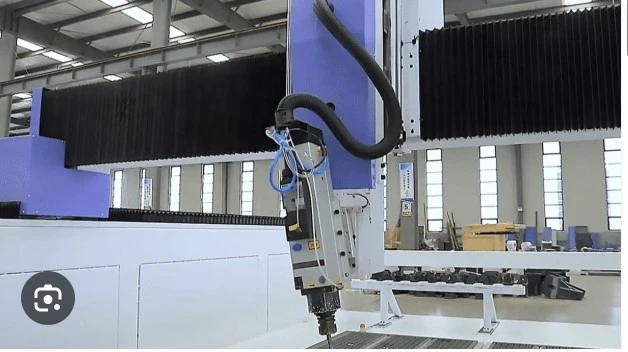
Recent technological developments have significantly improved the efficiency and precision of press brake air bending. CNC-controlled machines allow operators to program multiple bends, store sequences, and monitor machine performance in real-time. Sensors can detect material inconsistencies and automatically adjust force to maintain accuracy. Automation features, including back gauges, tool alignment systems, and programmable stroke depth, minimize downtime and increase productivity. These innovations have made press brake air bending safer, more precise, and more versatile than ever before, meeting the demands of modern manufacturing.
Selecting the Right Press Brake for Air Bending
Choosing the appropriate press brake for air bending depends on several factors:
- Material Type and Thickness: Heavier or harder metals require machines with higher tonnage.
- Bend Complexity: Simple angles can be achieved with standard machines, while complex designs benefit from CNC or automated systems.
- Production Volume: High-volume operations require machines capable of repeatable, consistent performance.
- Budget and Maintenance: Consider both the initial investment and long-term operational costs, including energy consumption and tool upkeep.
By carefully evaluating these factors, manufacturers can select a press brake that meets production requirements while ensuring high-quality, consistent results.
Conclusion
Press brake air bending has become an indispensable process in modern metal fabrication, offering flexibility, precision, and efficiency across a variety of industries. Its ability to produce adjustable bends with minimal tooling reduces costs, increases productivity, and ensures high-quality results. With technological advancements such as CNC control, automation, and sensor integration, press brake air bending has become safer, more accurate, and highly efficient. Understanding the applications, benefits, and operational best practices of press brake air bending is essential for manufacturers aiming to deliver precise, reliable, and cost-effective metal components in today’s competitive market.































Sign in to leave a comment.