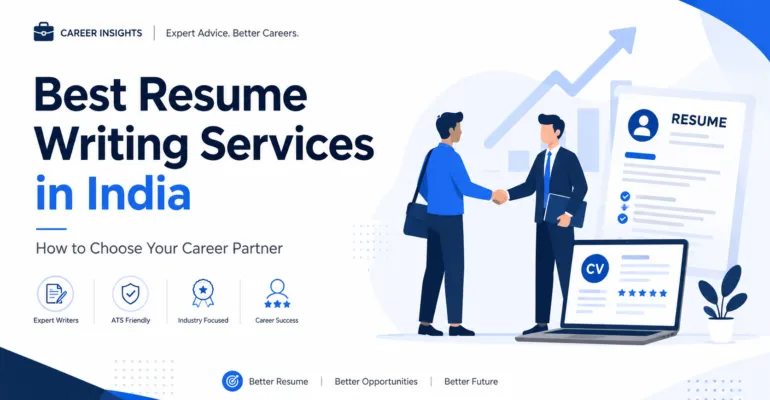


Landing a dream job in today's fast-paced corporate market demands a seamless personal marketing strategy. Millions of qualified professionals submit job applications every day, making the hiring environment more competitive than ever. To stand out to recruiters and hiring managers, you need a dual approach: a resume that opens doors and the communication skills to walk through them with confidence.
Many job seekers treat job hunting as two distinct steps, working on their resume first and worrying about the interview only after getting a callback. However, the most successful applicants align these two elements from day one. Creating a high-impact document and aligning it with your verbal presentation ensures a consistent, persuasive narrative across every stage of the hiring process.
The Link Between a Powerful Resume and Interview Success
Your resume acts as the baseline for your entire candidate journey. During an interview, hiring managers do not just ask random questions; they actively reference your work history, listed projects, and key achievements to structure their evaluation.
When you prepare a tailored cv for interview performance, you are doing much more than listing past job duties. You are giving the interviewer a clear roadmap of your career progression. A well-organized document guides the flow of conversation toward your strongest skills, allowing you to speak comfortably about real achievements, quantifiable metrics, and successful projects that directly address the employer's current business needs.
Common Hurdles Facing Modern Job Applicants
Navigating the hiring landscape presents several hurdles for entry-level candidates, career changers, and experienced executives alike:
- Passing Automated Applicant Tracking Systems (ATS): Most corporate organizations use scanning software to filter out resumes that lack relevant technical keywords or clean formatting.
- Failing to Highlight Quantifiable Achievements: Listing daily responsibilities instead of measurable results makes candidates look passive rather than impact-driven.
- Misalignment Between Written and Spoken Narratives: Struggling to explain technical achievements, career gaps, or sudden industry pivots during live interviews.
- Interview Anxiety and Lack of Structure: Rambling through open-ended questions like "Tell me about a time you faced a challenge" without using proven frameworks like STAR (Situation, Task, Action, Result).
Key Components of a Comprehensive Preparation Strategy
Combining document optimization with direct interview coaching creates a complete framework for job search success. A structured guidance plan focuses on several key areas:
- Strategic Resume Structuring: Organizing your professional summary, core technical skills, and employment history with precise industry terms that pass ATS checks effortlessly.
- Impact-Driven Work History: Reframing daily duties into powerful bullet points that highlight revenue growth, efficiency gains, team leadership, or problem-solving outcomes.
- Targeted Cover Letter Writing: Crafting customized cover letters that explain why you are uniquely qualified for specific roles and company cultures.
- Elevator Pitch Refinement: Perfecting a memorable two-minute introduction that establishes your professional identity and value proposition right at the start of an interview.
- Behavioral & Technical Mock Interviews: Practicing responses to tough behavioral questions under realistic timing constraints to build composure and reduce stress.
Why Integrated Preparation Outperforms Isolated Practice
Attempting to fix your resume without preparing for live questions—or vice versa—often leads to mixed results. Investing in combined CV + interview preparation offers a cohesive strategy where your written credentials and spoken answers reinforce each other.
When your resume highlights specific key performance indicators, you can easily transition into detailed behavioral anecdotes during your interview. This alignment builds immediate credibility with hiring panels. Interviewers quickly recognize when a candidate's background is genuine, well-rehearsed, and directly relevant to the role.
Furthermore, personalized coaching helps you identify personal blind spots. Whether it is eliminating nervous speech habits, polishing your virtual camera presence for remote interviews, or learning how to negotiate salary expectations, dedicated practice turns potential weaknesses into standout strengths.
Strategies Tailored for Every Career Stage
Preparation tactics vary depending on where you stand in your professional trajectory:
- Fresh Graduates & Entry-Level Job Seekers: Emphasize academic projects, internships, volunteer work, leadership roles in student organizations, and adaptable soft skills.
- Mid-Career Professionals: Focus on demonstrating specialized domain expertise, project ownership, cross-functional collaboration, and consistent career advancement.
- Senior Leaders & Executives: Highlight strategic planning, team leadership, budget management, organizational growth, and high-level business impact.
Take the Next Step Toward Your Next Career Milestone
Your professional journey deserves more than generic templates and unpracticed interview answers. Taking a structured, professional approach to your job search transforms an otherwise stressful process into a predictable, manageable routine.
By pairing a sharp, ATS-compliant resume with practical, confidence-building interview coaching, you position yourself as a top-tier applicant for every opportunity you pursue.
To explore professional resume rewriting, personalized mock interview sessions, and complete career coaching packages tailored to your goals, visit TopCVCoach today and take full control of your career trajectory.
















Sign in to leave a comment.