

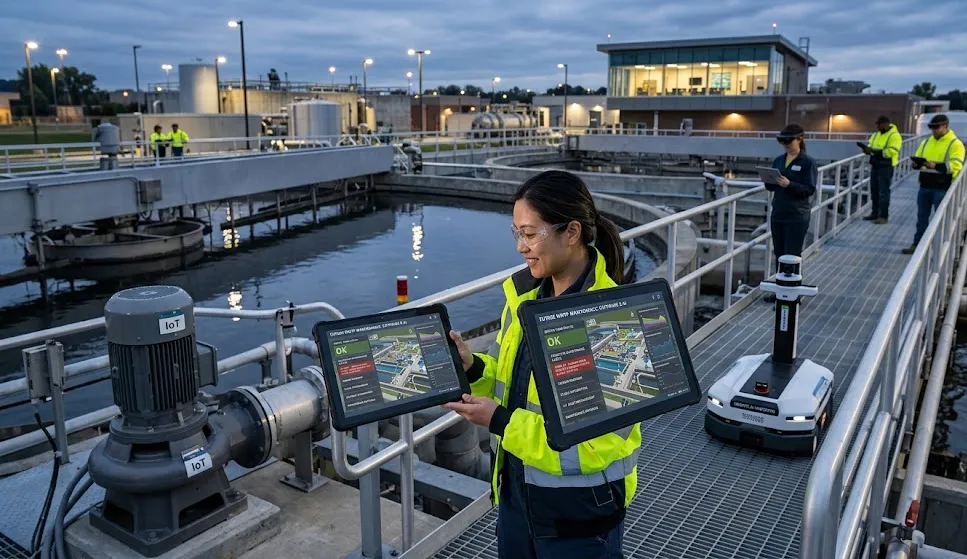
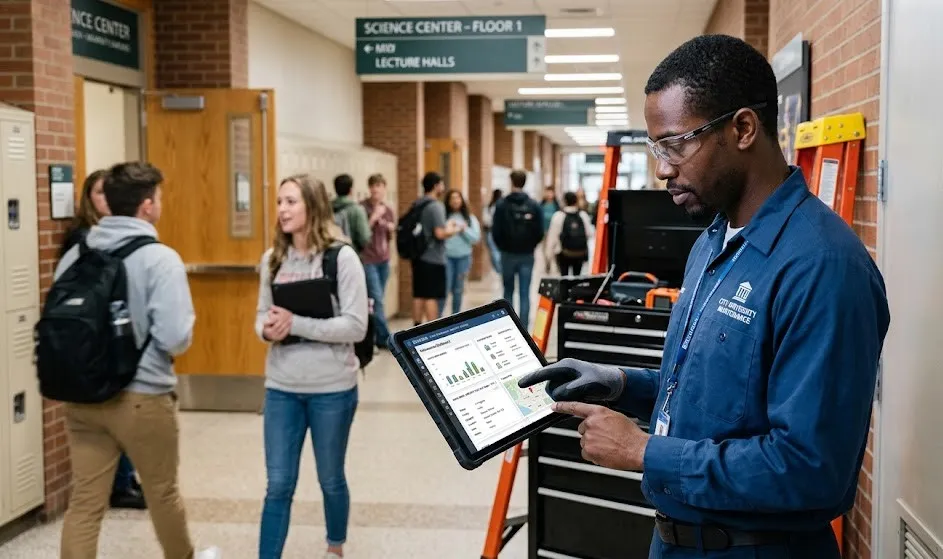
City governments manage a wide range of facilities, including administrative buildings, community centers, libraries, public safety locations, parks, and utility-related properties. Keeping these environments safe, functional, and reliable requires constant coordination among maintenance teams, department leaders, contractors, and facility users. However, many municipalities still depend on paper records, spreadsheets, and disconnected processes to organize maintenance work. As operational demands increase, these traditional methods can make it harder to maintain visibility and consistency. Modernizing City facilities maintenance management with a computerized maintenance management system (CMMS) can help municipalities create a more organized approach to maintaining essential public assets.
Creating Better Visibility Across City Assets
One of the ongoing challenges in municipal operations is understanding the condition and maintenance history of numerous assets across different locations. Equipment, building systems, vehicles, and infrastructure components all require attention at different intervals. Without centralized records, maintenance information can become scattered among departments or individual employees. A CMMS provides a structured environment for documenting work and connecting maintenance activities with specific assets and facilities. As a result, teams can gain a clearer understanding of what has been completed, what requires attention, and where recurring issues may be developing.
Supporting a More Consistent Maintenance Process
Consistency is especially important when multiple employees and departments are involved in facility operations. Informal processes can lead to differences in how work is reported, assigned, or documented. Over time, these inconsistencies may create gaps in maintenance history and make it more difficult to review completed work. A CMMS helps establish a more uniform process by giving teams a common system for handling maintenance activities. This does not replace professional judgment or hands-on experience. Instead, it supports clearer documentation and communication, helping maintenance personnel follow established procedures while keeping relevant information accessible.
Moving From Reactive Work Toward Better Planning
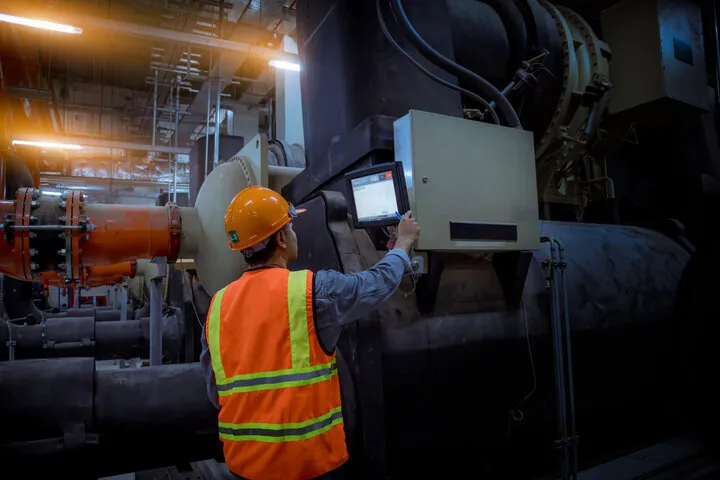
Unexpected equipment failures can disrupt public services and place additional pressure on maintenance teams. Although emergency repairs will always be necessary in some situations, relying primarily on reactive maintenance can make scheduling and resource planning more difficult. A modern maintenance approach allows cities to place greater attention on planned activities based on equipment needs and maintenance requirements. With better access to historical records, teams can identify patterns and consider maintenance needs before minor concerns become larger operational problems. This shift can support more deliberate planning without assuming that every failure can be predicted or prevented.
Improving Communication Between Departments
Facility maintenance often affects more than one department. A repair at a community center, for example, may involve maintenance staff, administrators, vendors, and employees who use the building each day. When communication is handled through separate channels, important details may be delayed or overlooked. Centralized maintenance information can provide a clearer reference point for work-related updates and history. Consequently, departments can spend less time searching for records or confirming basic details. Better communication also helps managers understand how maintenance activities connect with broader facility responsibilities and service expectations.
Using Maintenance Information for More Informed Decisions
Modernizing operations is not simply about replacing older tools with newer technology. It is also about improving how maintenance information supports decision-making. Accurate records can help municipal leaders review recurring repairs, equipment performance, maintenance workloads, and long-term facility needs. These insights may contribute to better discussions about priorities and resource allocation. For growing cities, this structured approach becomes increasingly valuable as facilities and maintenance responsibilities expand.
Building a Practical Foundation for City Operations
A CMMS can serve as part of a broader effort to modernize municipal facility operations. Its value comes from supporting organized processes, reliable records, and better coordination rather than adding unnecessary complexity. By strengthening City facilities maintenance management, municipalities can create a clearer foundation for maintaining public assets and responding to operational needs. For organizations seeking additional information about maintenance management solutions, Mapcon Technologies, Inc. is located at 2670 Fleur Drive, Des Moines, Iowa, and can be reached at 515-331-3358. Ultimately, a well-organized maintenance approach helps city teams focus on the ongoing responsibility that matters most: keeping facilities prepared to support the communities that depend on them.
























Sign in to leave a comment.