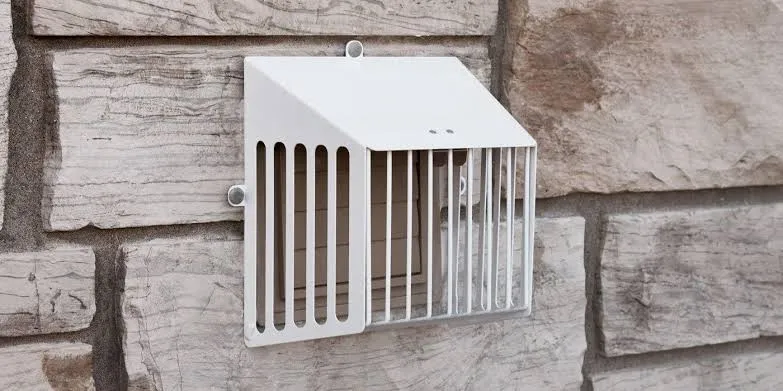

When people think about home maintenance, they often focus on things they can easily see, such as roofs, windows, or doors. However, some of the most important parts of a home are often overlooked. One example is the best dryer vent cover.
Although it may seem like a small detail, this simple device plays a big role in protecting your home. It helps keep out pests, prevents unwanted drafts, and allows your dryer to work properly. Choosing the right option can save money, improve safety, and reduce future maintenance headaches.
This guide explains everything you need to know in plain, easy-to-understand language so you can make an informed decision.
Why a Dryer Vent Cover Matters
Every time you use your clothes dryer, warm air, moisture, and lint travel through a vent and exit your home. Without proper protection on the outside opening, several problems can occur.
Think of your dryer vent like an open window. If you leave a window uncovered, bugs, birds, rain, and cold air can find their way inside. A vent opening faces similar risks.
A quality dryer vent cover acts as a protective gate. It lets air flow out while helping unwanted things stay out.
Some of the main benefits include:
- Keeping birds from building nests
- Blocking insects and small animals
- Reducing drafts from outside air
- Helping prevent rain from entering the vent
- Supporting efficient dryer performance
- Improving overall home safety
Features to Look for in the Best Dryer Vent Cover
Not all vent covers are created equal. Some are built to last for years, while others may crack or fail after only a short time.
Here are the most important features to consider.
Durable Materials
The material matters more than many homeowners realize.
Plastic covers are affordable and lightweight. However, lower-quality plastic can become brittle after long exposure to sunlight and changing weather.
Metal covers tend to last longer and offer better durability. They can handle harsh weather conditions without breaking easily.
If you live in an area with extreme temperatures, strong winds, or heavy rain, investing in a stronger material is often worthwhile.
Effective Pest Protection
One of the biggest reasons people replace vent covers is pest intrusion.
Birds, squirrels, mice, and insects are constantly looking for sheltered spaces. A dryer vent can appear to be the perfect home.
Look for designs that include protective flaps, screens designed specifically for dryer use, or other barriers that discourage nesting while still allowing proper airflow.
Smooth Airflow
Imagine trying to breathe through a straw that is partially blocked. Your dryer experiences something similar when airflow is restricted.
A good vent cover should open easily when air is pushed through the vent. The less resistance the dryer faces, the more efficiently it can operate.
Better airflow can help reduce drying times and decrease strain on the appliance.
Weather Resistance
Outdoor components face constant exposure to the elements.
Rain, snow, sunlight, and wind can gradually wear down weaker products. A well-designed cover should stand up to these conditions without warping, cracking, or becoming loose.
Weather-resistant materials often provide longer service life and better value over time.
Easy Maintenance
Even the best vent cover requires occasional inspection.
Lint can accumulate around openings, and debris may collect over time. Choosing a design that is easy to access makes cleaning simpler and faster.
Homeowners are more likely to perform maintenance when the process is straightforward.
Common Types of Dryer Vent Covers
Understanding the different styles available can help narrow your choices.
Louvered Covers
These are among the most common options.
They use movable slats that open when the dryer is running and close when airflow stops.
Advantages include:
- Widely available
- Affordable
- Simple operation
Potential drawbacks include wear over time if exposed to harsh weather.
Flapper Covers
Flapper designs use a single hinged door that opens outward when air is expelled.
Many homeowners like these because they provide a good balance between airflow and protection.
They are particularly effective at preventing drafts when closed properly.
Floating Shield Designs
Some newer products use advanced shield mechanisms rather than traditional flaps.
These designs can offer enhanced protection against weather and pests while maintaining efficient airflow.
Their construction often focuses on long-term durability and smoother operation.
Metal Vent Covers
Metal versions are valued for strength and longevity.
They may cost more initially, but many homeowners appreciate their resistance to cracking and weather damage.
For long-term performance, metal options are often considered a smart investment.
Signs You Need a New Vent Cover
Many people don't notice vent cover problems until larger issues develop.
Watch for these warning signs:
Visible Damage
Cracks, broken flaps, missing pieces, or warping are clear indicators that replacement may be necessary.
Even small damage can create entry points for pests and moisture.
Birds or Animals Near the Vent
If you frequently see birds perched around the vent opening or hear noises inside the vent system, inspection should happen immediately.
Animals can create blockages that interfere with airflow.
Longer Drying Times
Clothes that take longer than usual to dry may indicate restricted airflow somewhere in the vent system.
While several factors can contribute, a malfunctioning vent cover is worth checking.
Excess Moisture
Moisture around the vent opening may signal that air is not exiting properly.
Over time, trapped moisture can contribute to mold growth or structural damage.
Installation Basics
Many homeowners can install a vent cover themselves.
The process generally involves:
- Removing the old cover.
- Cleaning the surrounding area.
- Positioning the new cover.
- Securing it with appropriate fasteners.
- Sealing gaps if needed.
The exact steps depend on the product and wall material.
If you're uncomfortable working on exterior surfaces or ladders, professional installation may be the safer option.
Maintenance Tips for Long-Term Performance
A vent cover is not something you install and forget forever.
Regular maintenance helps maximize performance and lifespan.
Inspect Every Few Months
A quick visual inspection can identify problems before they become expensive.
Look for:
- Cracks
- Loose mounting hardware
- Blocked openings
- Signs of nesting activity
Remove Lint Build-Up
Lint accumulation reduces airflow and can become a safety concern.
Cleaning away visible lint around the vent opening helps maintain efficiency.
Check Moving Parts
If your cover uses flaps or louvers, make sure they move freely.
Stuck components can restrict airflow and force the dryer to work harder.
Replace Damaged Parts Promptly
Small issues tend to become larger problems when ignored.
Replacing a worn or damaged cover early is usually much less expensive than dealing with pest infestations or moisture damage later.
How to Choose the Right Option for Your Home
Selecting the right vent cover depends on your specific needs.
Ask yourself:
- Do you experience harsh weather?
- Are birds or rodents common in your area?
- Do you prefer low-maintenance products?
- Is long-term durability a top priority?
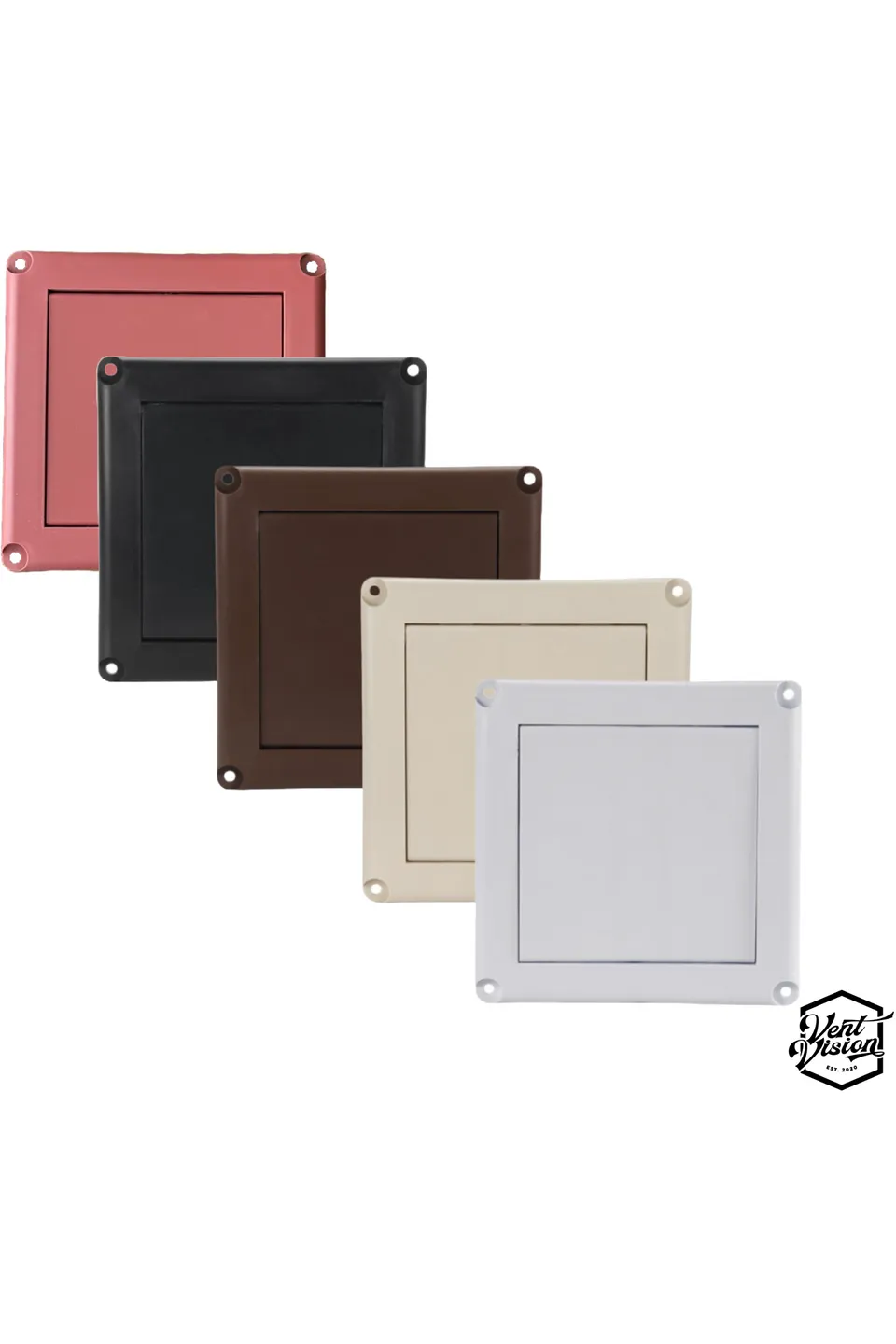
For homeowners seeking reliable performance and modern design, companies such as Vent Vision offer solutions focused on both airflow efficiency and exterior protection.
Rather than choosing solely based on price, consider overall value, durability, and ease of maintenance.
A slightly higher upfront investment can often deliver years of dependable service.
The Cost of Ignoring Vent Cover Problems
Some homeowners postpone replacement because the vent cover seems like a minor issue.
Unfortunately, small problems can create bigger expenses.
Potential consequences include:
- Pest infestations
- Increased energy use
- Longer drying cycles
- Moisture-related damage
- More frequent appliance wear
It's similar to ignoring a tiny leak under a sink. What starts as a small issue can eventually require a much larger repair.
Addressing vent cover concerns early helps avoid these unnecessary costs.
Conclusion
A dryer vent cover may not be the most noticeable feature on a home, but it performs an important job every day. It protects against pests, supports proper airflow, reduces weather-related issues, and helps your dryer operate efficiently.
When shopping for the right option, focus on durability, airflow performance, weather resistance, and ease of maintenance. Taking the time to choose a quality product can improve safety, extend the life of your dryer, and provide peace of mind for years to come.
Whether you're replacing an old unit or installing one for the first time, selecting the right cover is a simple upgrade that can make a meaningful difference in your home's overall performance.























Sign in to leave a comment.