
There’s a familiar scene that plays out in fabric stores everywhere. A beginner stands frozen in the aisle, arms full of fabric bolts, wondering if quilting is supposed to feel this complicated. Colors clash. Yardage math feels suspicious. Confidence slips. That moment—right there—is where many quilting journeys quietly end.
Instead of confusion, there’s clarity. Instead of overspending, there’s structure. And instead of stalled projects stuffed into closets, there’s a finished quilt folded with pride.
Why Quilting Feels Harder Than It Needs to Be
Quilting isn’t difficult because beginners lack creativity. It’s difficult because the early steps demand dozens of decisions before a single stitch happens. Fabric coordination, cutting accuracy, pattern reading—it’s a lot. Miss one detail and the entire project tilts sideways.
That’s where easy quilt kits for beginners quietly shine. They remove the guesswork without removing the joy. Everything essential is chosen, measured, and aligned before the first seam is sewn. Strange how much confidence grows when the mental load disappears.
What Makes a Quilt Kit “Easy”
Not all quilt kits deserve the beginner label. Some claim simplicity but sneak in advanced piecing or vague instructions. The best beginner-friendly kits share a few clear traits.
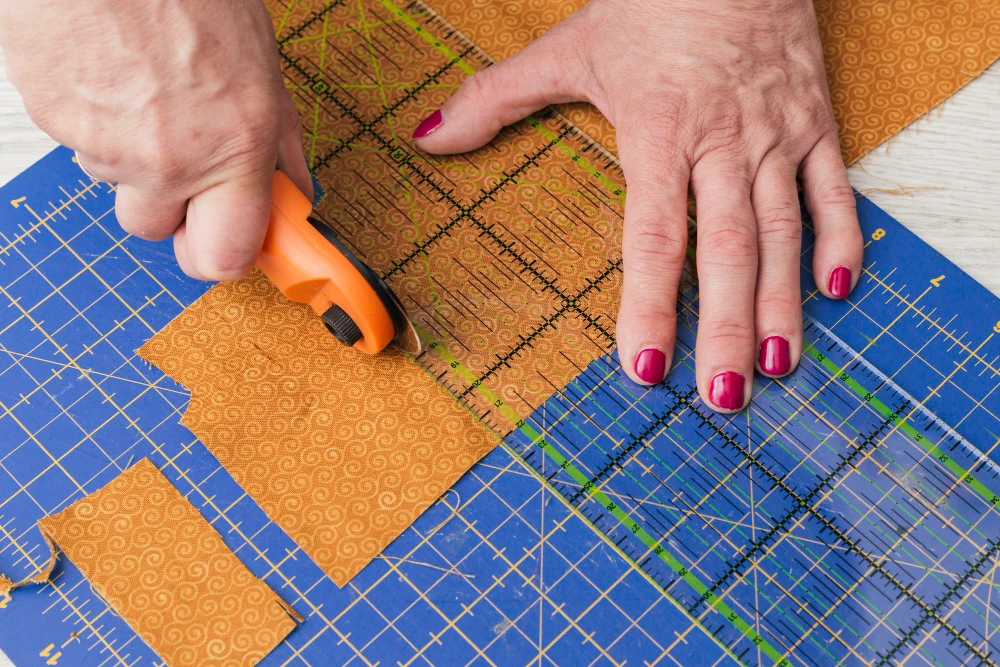
First, pre-cut fabric. Precision cutting is a skill that takes time. Kits using charm packs, layer cakes, or pre-cut panels eliminate that hurdle. Clean edges. Consistent sizes. Fewer mistakes.
Second, straightforward patterns. Blocks repeat. Layouts are predictable. There’s rhythm to the process. That repetition isn’t boring—it’s reassuring.
Third, instructions that read like a calm conversation, not a technical manual. Clear diagrams. Logical sequencing. No leaps of faith.
And finally, realistic time expectations. A quilt that can be finished over a weekend—or a few evenings—keeps momentum alive.
How Quilt Kits Save Money
At first glance, a quilt kit can seem pricier than buying fabric separately. That assumption doesn’t hold up for long.
Beginners tend to overbuy. Extra yardage “just in case.” Duplicate colors. Fabric that never quite fits the pattern imagined at the store. Kits eliminate waste by design. Every piece has a purpose.
There’s also the cost of mistakes. Cutting errors ruin fabric. Pattern confusion leads to abandoned projects. A kit quietly protects against those losses. Fewer do-overs. Fewer abandoned supplies gathering dust.
Types of Easy Quilt Kits Beginners Love Most
Panel-based quilt kits are favorites. A central printed panel sets the theme, with simple borders built around it. Fast. Visually striking. Very forgiving.
Patchwork kits with large blocks work well too. Bigger pieces mean fewer seams—and fewer opportunities for misalignment. These quilts come together quickly but still look thoughtfully crafted.
Seasonal kits deserve mention. Holiday or themed designs carry motivation with them. There’s a deadline, and deadlines—oddly enough—help beginners finish.
Hidden Benefits No One Mentions Enough
Beyond time and money, quilt kits teach quietly. Fabric placement starts to make sense. Color balance becomes intuitive. Pattern reading stops feeling intimidating.
There’s also something psychological happening. Finishing a quilt early builds momentum. One project leads to another. Skills stack naturally.
When to Step Outside the Kit
Some beginners feel pressure to “graduate” from kits too quickly. That’s unnecessary. Kits aren’t training wheels; they’re tools. Even experienced quilters return to them when life feels busy or mental space feels limited.
That said, kits work best when treated as learning platforms. Noticing how fabrics interact. Studying how patterns repeat. Asking quiet questions along the way. Why this border width? Why that color placement?
Finding Support Beyond the Kit
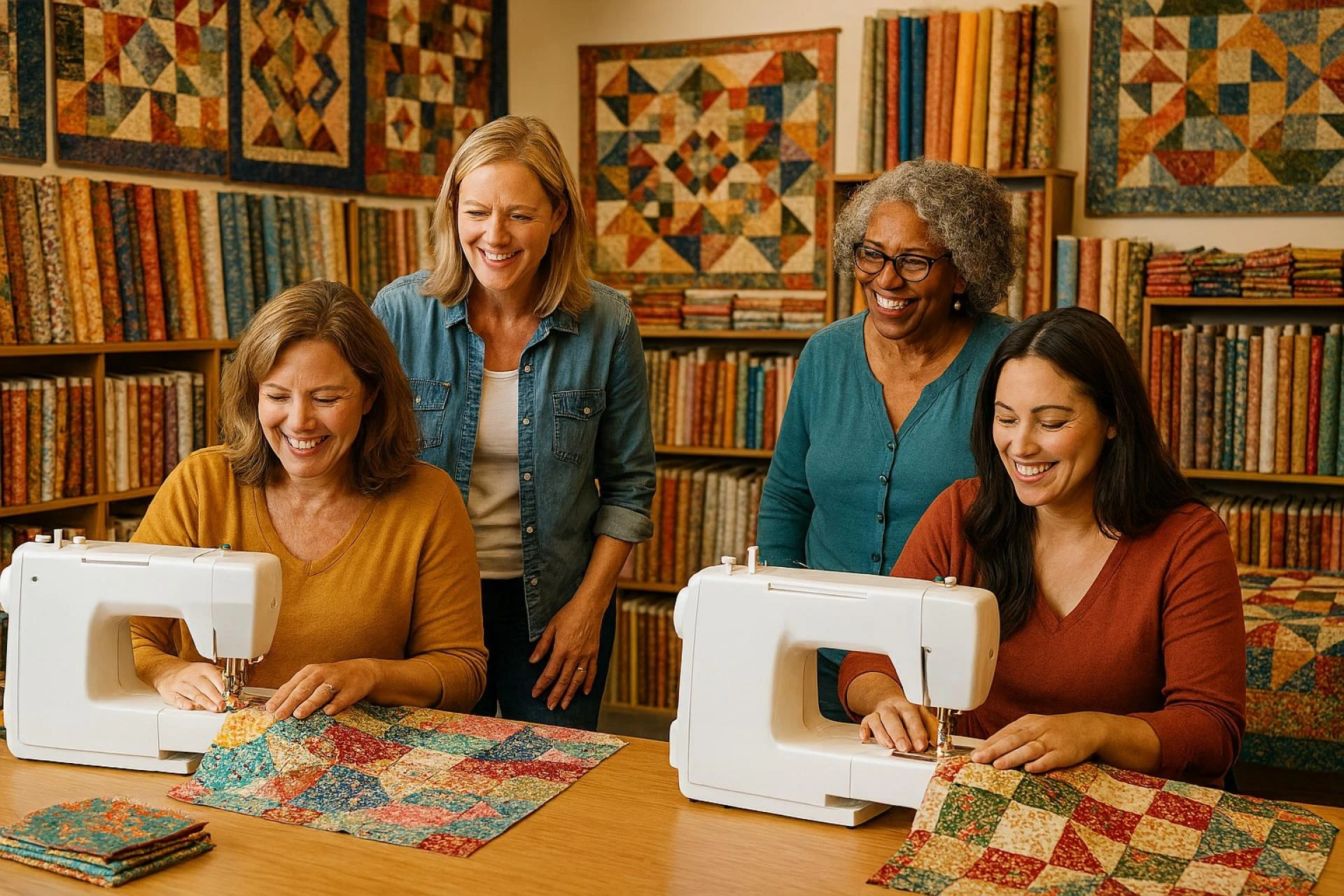
Even the best kit can’t replace community. Questions arise. Machines misbehave. Seams wander. Local quilting groups, classes, or workshops provide reassurance and shared troubleshooting. Searching for learn to quilt near me often opens doors to small studios or community centers where guidance feels personal, not overwhelming.
The Quiet Power of a Finished Quilt
A completed quilt carries weight. Not just fabric weight—emotional weight. It represents follow-through. Patience. Learning something new without quitting halfway through.
Easy quilt kits don’t shortcut the craft. They clear the path. They protect beginners from unnecessary frustration while preserving the heart of quilting itself.
And once that first quilt is done, neatly bound and unmistakably handmade, the fear that once lived in the fabric aisle tends to disappear. Replaced by something better.




















Sign in to leave a comment.