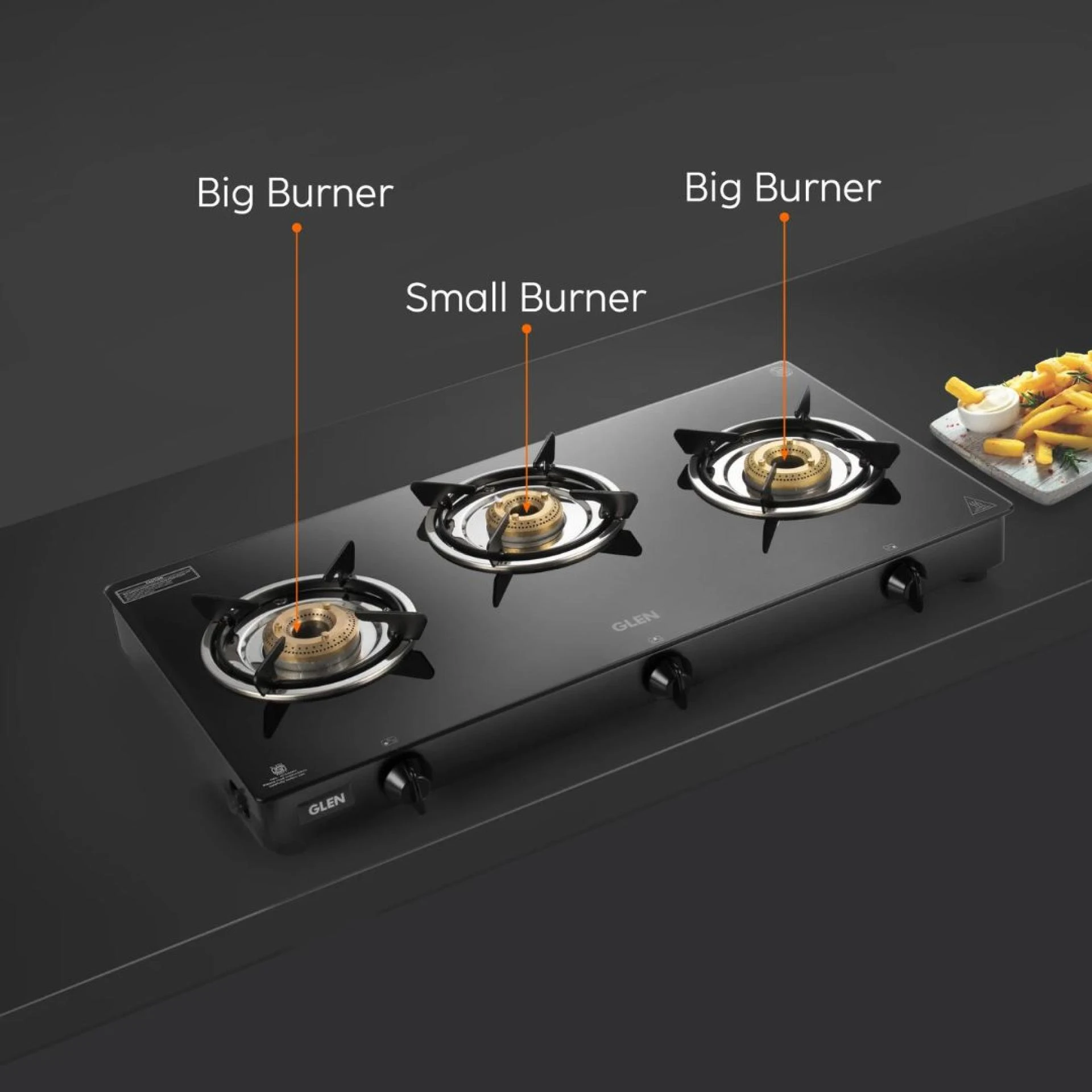

Discover the best gas stoves for your kitchen. Learn everything about types, features, pros, cons, and maintenance. Make an informed choice for your home.
Gas stoves have been a staple in kitchens for generations, and it's easy to see why. Their consistent heat and precise temperature control make them a favorite among home cooks and professional chefs alike. Whether you're boiling water, simmering sauces, or searing steaks, a gas stove offers a level of control that electric stoves simply can't match.
In this guide, we’ll walk you through everything you need to know about gas stoves: from types and features to maintenance tips and buying advice. By the end, you'll have a comprehensive understanding of how to choose the right gas stove for your home.
Types of Gas Stoves
There are several types of gas stoves to consider when upgrading your kitchen. Each type comes with its own set of features, pros, and cons.
1. Freestanding Gas Stoves
Freestanding stoves are the most common type found in homes. These models include both the cooktop and oven in one unit, making them convenient and space-saving.
Pros:
- Space-efficient.
- Includes oven and cooktop in one appliance.
- Easy installation.
Cons:
- Limited style options compared to built-in models.
- May require more cleaning due to the compact design.
2. Built-In Gas Stoves
Built-in stoves are installed directly into the countertop, offering a sleek, modern look. These stoves are often paired with wall ovens, giving your kitchen a more streamlined appearance.
Pros:
- Sleek, modern design.
- Customizable to fit the layout of your kitchen.
Cons:
- More expensive than freestanding models.
- Installation can be more complex and costly.
3. Portable Gas Stoves
Portable gas stoves are smaller, lightweight units that are perfect for those with limited kitchen space or for use in camping and outdoor activities.
Pros:
- Compact and easy to transport.
- Affordable option for small kitchens or temporary use.
Cons:
- Limited cooking capacity.
- Less durable compared to other types.
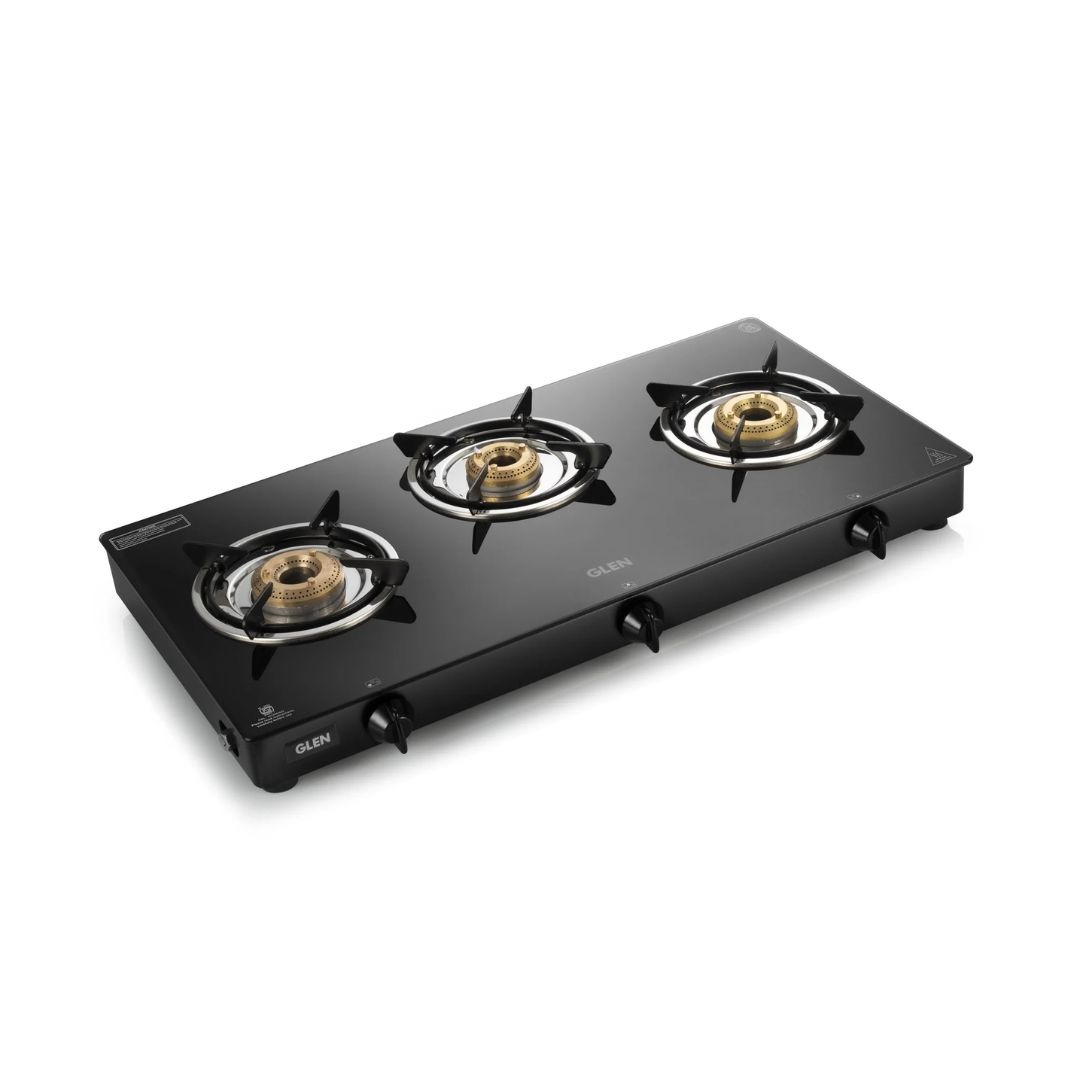
Features to Look for in a Gas Stove
When choosing a gas stove, consider these key features to ensure you're getting the best appliance for your needs:
1. Number of Burners
The number of burners determines how many pots and pans you can cook with at the same time. Most home kitchens feature 4-burner stoves, but larger families or those who entertain often may prefer stoves with 5 or more burners.
Tip: If you do a lot of cooking and need to multitask, consider a stove with at least 5 burners.
2. Ignition Type
There are two primary ignition types: manual ignition and automatic ignition. Manual ignition requires you to light the burner with a match or lighter, while automatic ignition uses an electric spark to light the gas when you turn on the burner.
Pros of Automatic Ignition:
- Convenient and quick.
- Safer than manual ignition.
Cons of Manual Ignition:
- Requires more effort and patience.
- Higher risk of accidents.
3. Burner Power
Burner power is measured in BTUs (British Thermal Units). Higher BTUs mean more intense heat, which is ideal for tasks like searing and boiling. If you need more control over heat levels for delicate tasks, choose a stove with variable burner power.
Tip: Look for a stove with a range of BTUs, so you can handle both high-heat and low-heat cooking with ease.
Pros and Cons of Gas Stoves
Pros
- Precise Temperature Control: Gas stoves allow for immediate changes in heat, giving you full control over cooking temperatures.
- Even Heat Distribution: Gas flames heat cookware evenly, reducing hot spots and ensuring your food is cooked to perfection.
- Energy Efficient: Gas is generally cheaper than electricity in most regions, making gas stoves more cost-effective in the long run.
Cons
- Installation Costs: Gas stoves require gas lines, which may require professional installation if not already available in your kitchen.
- Cleaning: Gas stoves with removable grates and burners can be difficult to clean, especially after heavy cooking sessions.
How to Maintain a Gas Stove
Proper maintenance is essential for keeping your gas stove in top shape. Here are some tips to ensure longevity:
- Clean Regularly: Clean the burners, grates, and knobs after each use to avoid grease and food buildup.
- Check for Gas Leaks: Periodically check for any leaks around the burner area and gas connections to prevent safety hazards.
- Keep the Burner Ports Clean: The holes on the burners can become clogged with food or debris. Use a brush or needle to clear any blockages.
How to Choose the Right Gas Stove
Choosing the right gas stove depends on several factors, including your kitchen size, cooking habits, and budget.
- Budget: Gas stoves come in a range of prices, so it’s important to set a budget. Freestanding stoves are typically more affordable than built-in models.
- Space: Consider the size of your kitchen and whether you need a freestanding, built-in, or portable model.
- Cooking Style: If you frequently entertain or cook large meals, you may need a stove with multiple high-power burners. If you cook more casually, a smaller, simpler model may be sufficient.
Frequently Asked Questions
What is the difference between a gas stove and an electric stove?
Gas stoves use a flame to heat cookware, offering immediate heat control, while electric stoves use coils or glass surfaces to generate heat. Gas stoves are often preferred for their precision.
Are gas stoves more energy-efficient than electric stoves?
Yes, gas stoves are generally more energy-efficient because they provide immediate heat and use less energy compared to electric models.
How do I know if my gas stove is leaking?
You can check for gas leaks by using a mixture of soapy water on the connections. If bubbles form, it indicates a leak. Always turn off the gas supply and seek professional assistance if necessary.
Can a gas stove be used during a power outage?
Yes, gas stoves can be used during a power outage, as they don’t rely on electricity for operation. However, models with electric ignition may require a backup lighter.
How long do gas stoves typically last?
With proper maintenance, gas stoves can last up to 15 years or more. Regular cleaning and timely repairs will extend their lifespan.
How do I clean a gas stove?
To clean a gas stove, remove the burner grates and wipe them down with soapy water. Clean the burners with a brush to remove any debris. Be sure to check for grease buildup around the knobs and burners.
By understanding the key features and benefits of gas stove, you'll be equipped to make an informed decision for your kitchen. Whether you're looking for a model that offers precise temperature control or one that fits seamlessly into your kitchen design, there's a gas stove for every need.





























Sign in to leave a comment.