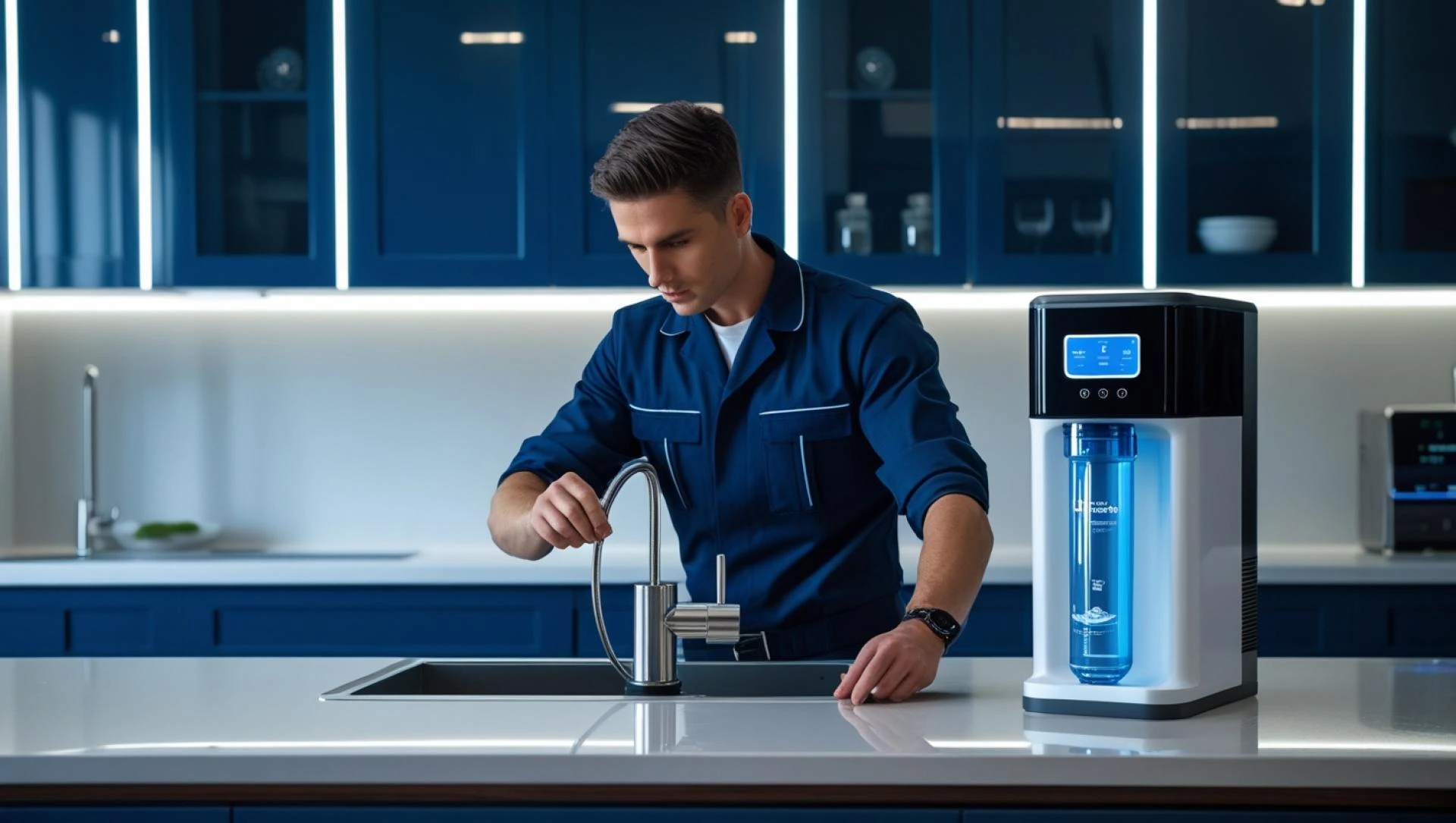

Having access to clean, safe drinking water is essential for your health and well-being. With increasing concerns about water contamination, many homeowners are turning to water filtration systems to ensure their family’s water is free from harmful impurities. However, with so many options available, selecting the right home water filtration system can be overwhelming. This guide will help you navigate through the various types of filtration systems, their benefits, and how to choose the one that best suits your needs.
Why Do You Need a Water Filtration System?
Before diving into the specifics of each filtration system, it’s important to understand why water filtration is necessary. Even though municipal water supplies are treated to remove many contaminants, tap water can still contain pollutants, such as:
- Chlorine: Often used to disinfect water, chlorine can have a strong odor and taste, and it can also irritate the skin.
- Lead: Older pipes or plumbing systems may leach lead into the water supply, which is harmful, especially to children.
- Pesticides and Herbicides: Runoff from agricultural areas can introduce these chemicals into the water supply.
- Heavy Metals: Substances like mercury, arsenic, and cadmium can be present in drinking water, causing long-term health problems.
- Bacteria and Viruses: While municipal systems treat water for microbial contaminants, there’s still a risk of exposure due to old or damaged pipes.
A water filtration system helps remove these contaminants, ensuring you and your family drink safe and clean water.
Types of Home Water Filtration Systems
There are various types of water filtration systems available, each designed to address different water quality issues. Here’s an overview of the most common types:
1. Activated Carbon Filters
Activated carbon filtration is one of the most popular methods for improving water quality. These filters work by using activated carbon to trap impurities and contaminants.
Benefits:
- Effective for chlorine, volatile organic compounds (VOCs), and some heavy metals.
- Improves taste and odor by removing chlorine and other chemicals.
- Affordable and easy to install.
Best for:
- Homeowners looking to improve the taste and odor of their water.
- People dealing with chlorine or chemical contamination.
2. Reverse Osmosis (RO) Systems
Reverse osmosis is a filtration process that forces water through a semi-permeable membrane to remove contaminants. This method can eliminate a wide range of substances, including salts, bacteria, and other harmful chemicals.
Benefits:
- Highly effective in removing a broad range of contaminants, including lead, chlorine, pesticides, and dissolved solids.
- Produces very pure water, ideal for drinking and cooking.
- Excellent for homes with highly contaminated water.
Best for:
- Households that are concerned about contaminants like heavy metals, fluoride, or salt.
- Families with specific health concerns, such as infants or pregnant women.
3. Whole House Water Filtration Systems
A whole house water filtration system is installed at the point where water enters your home, filtering all the water used throughout the house. These systems are typically designed to handle larger volumes of water and provide filtered water to every faucet and appliance.
Benefits:
- Comprehensive filtration for all water in the home, including water for bathing, cooking, and cleaning.
- Protects plumbing and appliances from the buildup of minerals and sediment.
- Prevents skin and hair issues caused by chemicals or hard water.
Best for:
- Families with multiple bathrooms and heavy water usage.
- Homes with hard water or high levels of chlorine or sediments.
- Homeowners seeking a complete solution to water quality.
4. Ultraviolet (UV) Filters
UV filters use ultraviolet light to kill bacteria, viruses, and other microorganisms in the water. This method does not remove chemicals, metals, or sediments but is highly effective in disinfecting water.
Benefits:
- Kills bacteria, viruses, and pathogens in the water without the need for chemicals.
- Environmentally friendly, as it does not introduce any chemicals into the water supply.
- Low maintenance and easy to operate.
Best for:
- Homes with a private well or areas where microbial contamination is a concern.
- People looking for additional purification without chemicals.
5. Water Softener Systems
Water softeners are designed to remove excess minerals, such as calcium and magnesium, which contribute to hard water. These systems use ion exchange to replace hard minerals with sodium or potassium.
Benefits:
- Reduces limescale buildup on appliances and plumbing fixtures.
- Improves soap and detergent efficiency, making it easier to clean.
- Prevents dry skin and hair caused by hard water.
Best for:
- Homes with hard water that cause limescale buildup.
- People who notice a decline in water pressure due to mineral buildup.
Factors to Consider When Choosing a Water Filtration System
With a variety of systems available, it’s important to consider several factors to help you choose the right one:
1. Water Quality
The first step in choosing a water filtration system is understanding the quality of your water. Consider getting a water test to identify any specific contaminants in your water supply. Depending on the results, you may need a system that targets specific contaminants, such as heavy metals, chlorine, bacteria, or fluoride.
2. Water Usage
Think about how much water your household uses. For example, if you have a large family or a high water consumption rate, a whole house filtration system may be the best option. For smaller households or people primarily concerned about drinking water, an under sink or counter-top filter may suffice.
3. Maintenance and Filter Replacement
Each filtration system requires maintenance, such as filter replacements. Some systems, like reverse osmosis units, may need more frequent upkeep, while others, such as activated carbon filters, might need less attention. Choose a system that fits your schedule and willingness to maintain it.
4. Budget
Water filtration systems come at various price points, from affordable pitcher filters to more expensive whole house filtration systems. Keep in mind that while the initial cost is an important consideration, the ongoing costs of maintenance and filter replacement should also be factored into your decision.
5. Installation Requirements
Some water filtration systems, like reverse osmosis or whole house filters, require professional installation, which can add to the overall cost. On the other hand, under sink filters and pitcher filters can be installed easily without professional help.
Conclusion
Choosing the right home water filtration system ultimately depends on your household’s water quality, usage, and budget. Whether you opt for an under-sink filter for your drinking water or a whole house system for comprehensive protection, investing in clean water will have long-term health and financial benefits. By understanding the different types of filtration systems and considering your specific needs, you can ensure that your home enjoys safe, clean, and great-tasting water.




























Sign in to leave a comment.