
Combining a trek up Mount Kilimanjaro with a Tanzanian safari is one of the most extraordinary travel experiences in Africa. It allows travelers to challenge themselves physically while also enjoying some of the world’s best wildlife viewing in Tanzania’s famous national parks.
This journey offers a smooth transition from mountain sceneries to vast savannahs teeming with wildlife and may be finished in two weeks with proper planning. The perfect itinerary is described in this book to assist you in organizing a seamless and fulfilling trip.
Why Combine Kilimanjaro Climbing with a Tanzania Safari?
Many travelers choose to combine these two experiences because they complement each other perfectly. Trekking Mount Kilimanjaro provides a sense of achievement, while a Tanzanian safari offers relaxation and excitement through guided wildlife encounters.
This combination also simplifies travel logistics since both activities start from the same region in northern Tanzania. It reduces travel time and allows you to explore multiple highlights of East Africa in one well-structured itinerary.
Suggested 12–14 Day Itinerary Overview
Planning your trip with a clear day-by-day structure helps ensure you have enough time for acclimatization, climbing, recovery, and safari exploration. A 12 to 14-day schedule is considered ideal for most travelers, balancing adventure and comfort without feeling rushed.
Day 1–2: Arrival and Preparation in Arusha
Arusha, the starting point for both northern circuit safaris and Kilimanjaro climbs, is where your adventure starts. After travelling abroad, these first two days are crucial for resting and attending pre-climb briefings with your trekking team.
Day 3–8: Climbing Mount Kilimanjaro
Depending on the route used, the hike to the top usually takes six to seven days. The likelihood of a successful summit attempt is increased by popular routes like Machame and Lemosho, which provide stunning vistas and progressive adaptation.
Climbers pass through rainforest, moorland, alpine desert, and finally glacier zones before reaching Uhuru Peak. Standing at the top of Mount Kilimanjaro is a once-in-a-lifetime moment and a highlight of any African adventure.
Day 9: Rest and Recovery After the Climb
After descending, your body needs time to recover from the effects of altitude and physical exertion. Spending a full day resting in Arusha or Moshi allows you to regain energy before beginning your Tanzanian safari journey.
Exploring Tanzania’s Northern Safari Circuit
Tanzania's northern circuit is regarded as the best place for first-time safari tourists. Because the parks are close to each other, it is possible to view several popular wildlife sites in a few days while reducing the amount of time spent travelling.
The circuit also offers diverse landscapes ranging from river valleys and volcanic craters to endless plains. This variety ensures that every day of your Tanzania safari feels different and exciting.
Tarangire National Park: Land of Giants
Tarangire is well-known for its massive baobab trees and elephant herds. The park is frequently less crowded than other locations, making it possible to enjoy tranquil and fulfilling animal viewing experiences.
Ngorongoro Crater: A Natural Wildlife Sanctuary
Ngorongoro Crater is one of Africa’s most unique safari destinations. The crater’s enclosed ecosystem supports a dense concentration of animals, including lions, rhinos, buffalo, and flamingos, making wildlife sightings frequent throughout the year.
Serengeti Safaris: The Ultimate Wildlife Experience
A visit to Serengeti National Park is often the highlight of any Tanzanian safari. The park’s vast plains host the famous Great Migration, where millions of wildebeest and zebras move in search of fresh grazing.
Spending multiple days here allows travelers to enjoy unforgettable Serengeti safaris, track predators, and witness dramatic interactions between wildlife in their natural habitat.
Sample Safari Itinerary After Kilimanjaro
Travelers usually start their safari journey after finishing the climb and taking a day to rest. This portion of the trip is less physically taxing and emphasizes leisurely lodge stays, beautiful drives, and animal viewing.
A well-paced safari ensures you can fully appreciate each park without feeling rushed, while also allowing time to relax and enjoy the surroundings.
Day 10: Arusha to Tarangire National Park
The drive from Arusha to Tarangire takes approximately two to three hours. Upon arrival, you begin your first game drive and get your first glimpse of Tanzania’s diverse wildlife and landscapes.
Day 11: Ngorongoro Crater Game Drive
On this day, you descend into the crater floor for a full-day safari. The compact size of the crater means animals are easier to locate, making this one of the most productive days of wildlife viewing on your itinerary.
Day 12–13: Serengeti Safaris and Game Drives
Proceed to the Serengeti to go on game drives for two or more days. These days are devoted to touring the park's various areas and seeing giraffes, elephants, big cats, and enormous herds of herbivores wandering the plains.
Day 14: Return or Extend to Kenya Tours
After completing your safari, you can return to Arusha for departure or continue your journey with Kenya tours to explore destinations such as Maasai Mara. This cross-border itinerary is especially popular during the migration season when wildlife moves between Tanzania and Kenya.
Choosing the Best Safari Tours After Your Climb
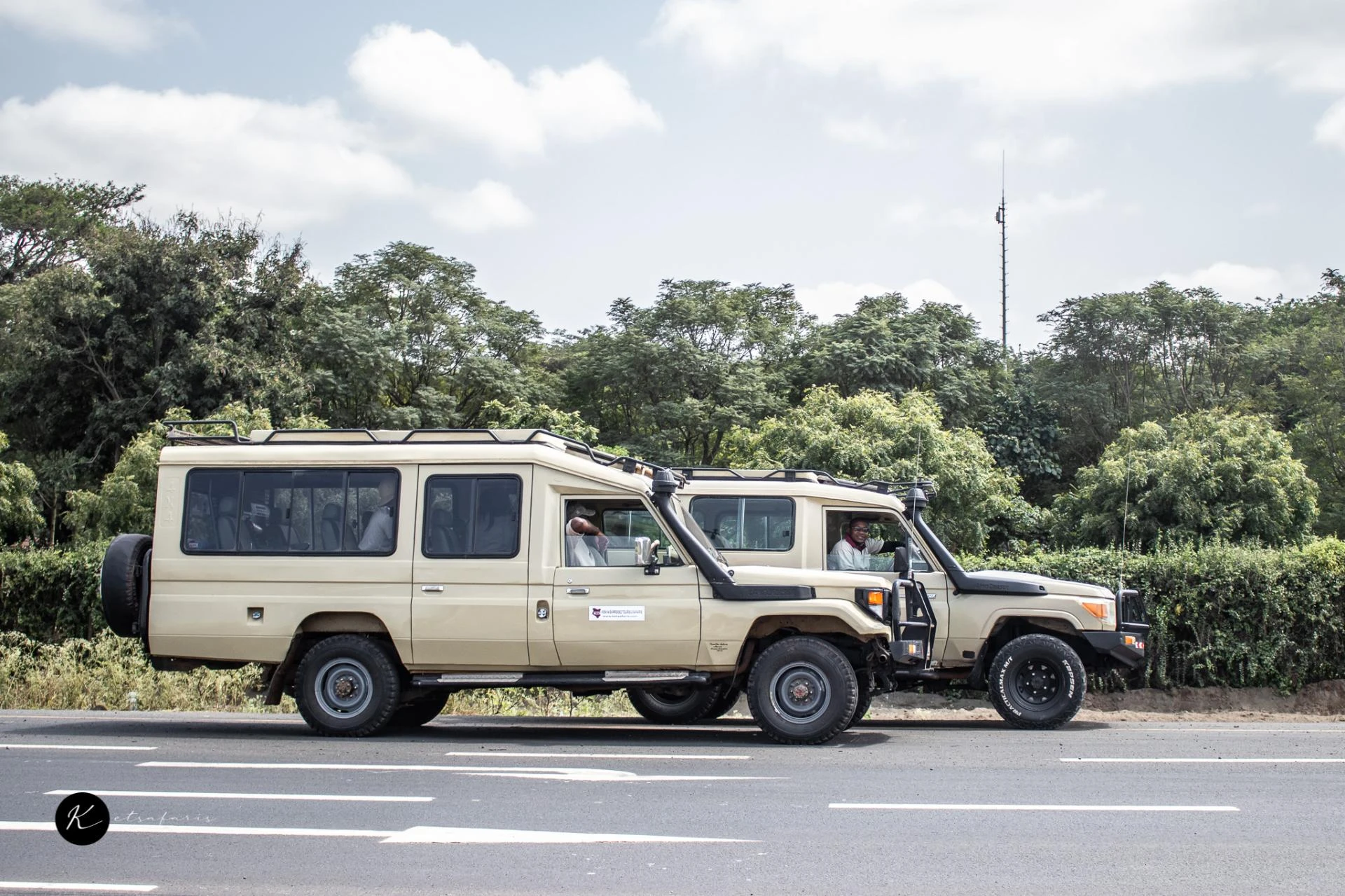
Selecting the best safari tours ensures a smooth and enjoyable transition from trekking to wildlife exploration. Experienced safari operators handle all logistics, including park permits, accommodation, and professional guides, allowing you to relax and focus on the experience.
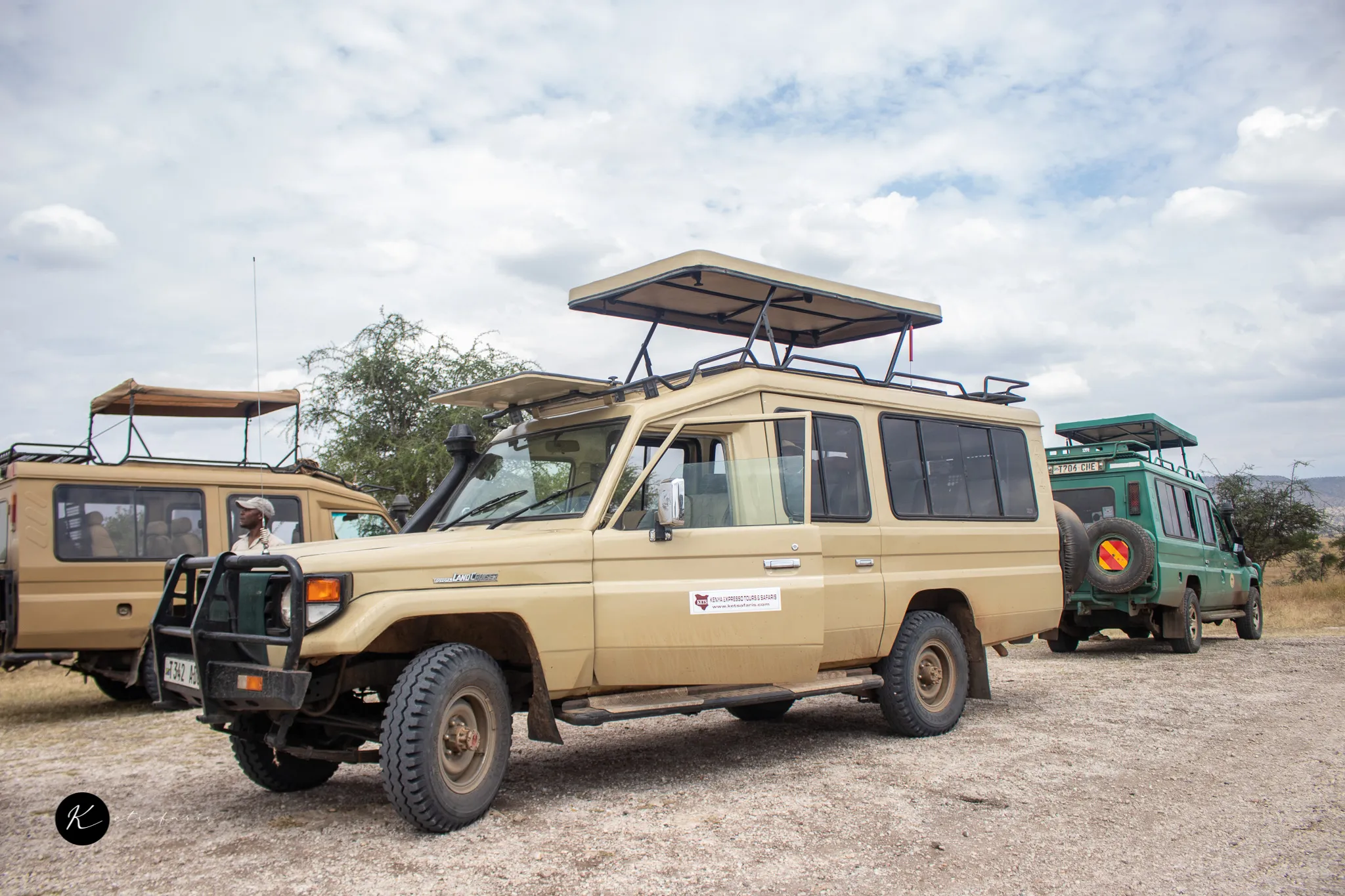
When choosing your safari package, consider vehicle quality, guide expertise, and the flexibility of the itinerary. Well-planned safaris also allow for adjustments based on wildlife movements and weather conditions.
Tanzania Safari vs Kenya Tours: Key Differences to Know
Both Tanzania and Kenya offer exceptional wildlife experiences, but each destination has its own unique advantages. Tanzania is known for larger and less crowded parks, while Kenya tours often provide shorter travel distances between destinations and more accessible infrastructure.
Many travelers choose to experience both countries to enjoy the full Great Migration and compare different safari environments. Combining these destinations creates one of the most comprehensive wildlife adventures in Africa.

























Sign in to leave a comment.