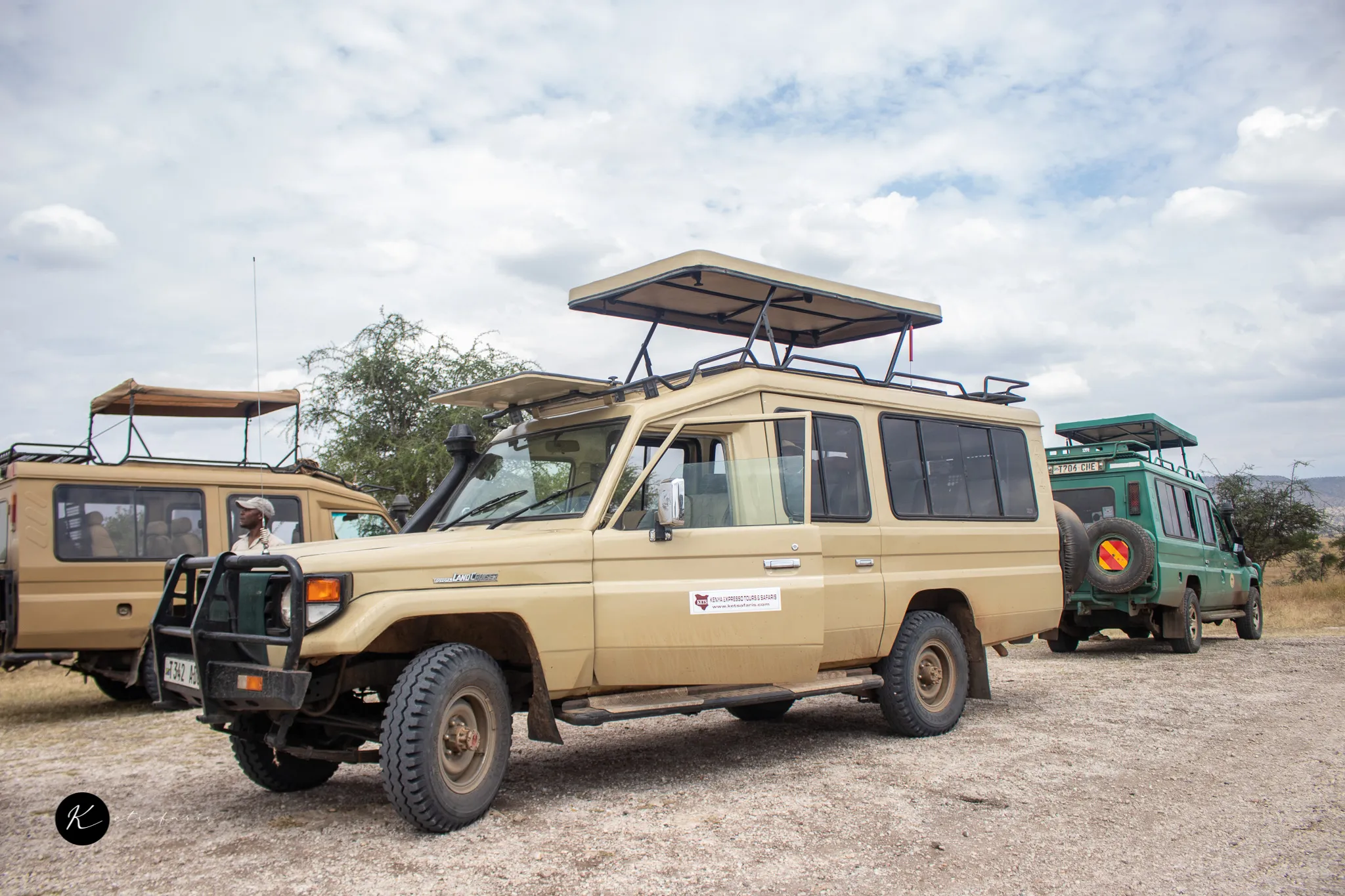

Timing is a major factor in organising the ideal safari excursions in Kenya. Kenya provides year-round animal adventures, but each season has its own special benefits, such as spectacular migrations and verdant scenery. Knowing the seasons can help you make the most of your trip, whether you're envisioning an exciting Maasai Mara safari, a traditional Kenyan safari, or researching the top safari trips.
Understanding Kenya’s Safari Seasons
Kenya’s climate is generally divided into two main seasons: the dry season and the rainy season. Each period offers different wildlife viewing conditions and travel experiences.
Dry Season (June to October) – Peak Safari Time
The dry season is widely considered the best time for a Kenya safari. During these months, vegetation is sparse, and animals gather around water sources, making wildlife easier to spot.
The renowned Great Migration also arrives at the Maasai Mara at this time. There are amazing opportunities to witness lions, elephants, buffalo, leopards, and rhinos in action during a Maasai Mara Big Five safari. Roads are easily accessible, and there is seldom rainfall, making game drives comfortable.
However, since this is peak travel season, expect higher prices and more visitors in popular parks.
The Green Season Advantage (November to May)
The rainy or “green” season is often overlooked but can be one of the most rewarding times for safari trips in Kenya.
Short Rains (November to December)
During this period, rainfall is usually brief and occurs in short bursts. The landscapes transform into vibrant greenery, offering stunning photography opportunities. Wildlife is still abundant, and you can enjoy quieter parks with fewer tourists.
Long Rains (March to May)
Although it brings greater precipitation, the extended rainy season has certain special advantages. There are more lodging options, lower safari costs, and breathtaking scenery.
Even though some roads can be difficult, many of the top safari tours still run smoothly with knowledgeable guides. Due to the presence of migrating species, this is also an excellent time for birdwatching.
Best Time for a Maasai Mara Safari
The Maasai Mara remains one of the top destinations for any kenya safari, and timing your visit here is key.
July to October – Great Migration Season
This is the highlight of a Maasai Mara safari, when millions of wildebeest and zebras cross from the Serengeti into Kenya. Predator action is intense, making it a dream for wildlife enthusiasts and photographers.
January to February – Calving Season
Although less famous than the migration, this period offers excellent game viewing. Many animals give birth, attracting predators and creating dramatic wildlife interactions. It’s also less crowded, making it ideal for a more peaceful safari experience.
Wildlife Viewing Throughout the Year
Because there are fewer water sources during the dry months, animals are easier to find. On the other hand, visitors are rewarded with beautiful landscapes and fewer crowds during the wet season, which disperses wildlife over larger areas.
A Maasai Mara big-five safari is possible in any season, although sightings may vary depending on conditions.
Choosing the Best Safari Tours for Your Travel Style
Timing your safari also depends on your personal preferences and travel goals.
For First-Time Visitors
If it’s your first Kenyan safari, the dry season is ideal. Wildlife is easier to spot, and the overall experience is more predictable.
For Budget Travelers
The finest value is found during the green season. Discounted pricing are offered by many of the top safari tours, making luxurious experiences more affordable.
For Photographers
Both seasons have their charm. The dry season offers dramatic wildlife action, while the rainy season provides vibrant landscapes and beautiful lighting.
Weather Considerations for Safari Planning
Although it varies by geography and altitude, Kenya's weather is generally nice. Whereas inland safari locations like the Maasai Mara and Amboseli are colder, particularly in the morning and evening, coastal regions are warmer and more humid.
Packing appropriately is essential. Lightweight clothing, a good jacket for early game drives, and waterproof gear during the rainy season will ensure a comfortable safari experience.
Final Thoughts on Planning Safari Trips in Kenya
Everything you wish to experience ultimately determines when to schedule your safari excursions in Kenya. While the green season gives peace, affordability, and stunning scenery, the dry season offers unparalleled wildlife visibility and the famous migration.

























Sign in to leave a comment.