
Discover how to choose the best kitchen chimney for your home. Learn about chimney types, features, sizes, maintenance, and benefits for a cleaner kitchen.
A kitchen is one of the busiest areas in any home. Daily cooking creates smoke, oil particles, grease, and strong food odors that can affect air quality and make cleaning difficult. This is why choosing the best kitchen chimney has become an important decision for modern households.
A kitchen chimney helps remove smoke, grease, and unwanted odors while keeping the cooking space fresh and comfortable. Whether you cook occasionally or prepare multiple meals every day, the right chimney can improve your kitchen experience significantly.
Why the Best Kitchen Chimney Is Important
The best kitchen chimney does much more than remove smoke. It contributes to a cleaner and healthier cooking environment.
Some major benefits include:
- Removes smoke and cooking fumes efficiently
- Reduces grease buildup on cabinets and walls
- Helps maintain better indoor air quality
- Minimizes cooking odors throughout the house
- Makes kitchen cleaning easier
- Enhances the overall appearance of the kitchen
For families that cook regularly, investing in the best kitchen chimney can save time and effort in long-term maintenance.
Types of the Best Kitchen Chimney Available Today
When searching for the best kitchen chimney, understanding the available types is essential.
Wall-Mounted Chimneys
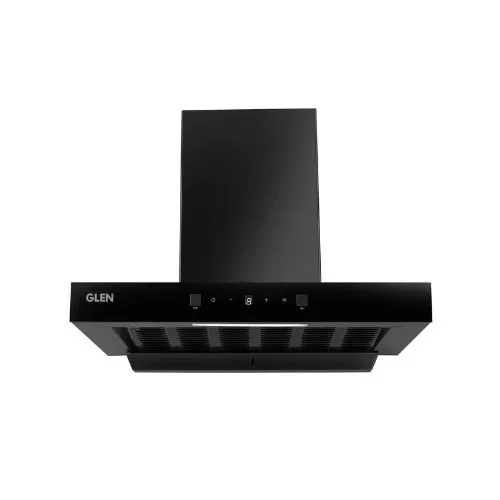
These are installed against a wall above the cooktop. They are among the most common choices for Indian kitchens and work well in most layouts.
Island Chimneys
Installed above kitchen islands, these chimneys are suspended from the ceiling. They are suitable for open and modern kitchen designs.
Built-In Chimneys
Built-in models are integrated within kitchen cabinets. They offer a sleek appearance while maintaining effective ventilation.
Corner Chimneys
Designed specifically for corner cooking spaces, these models help maximize kitchen space while maintaining functionality.
The best kitchen chimney for your home depends on your kitchen layout and cooking habits.
How to Select the Best Kitchen Chimney
Choosing the best kitchen chimney involves evaluating several important factors.
Suction Power
Suction power determines how effectively smoke and fumes are removed. Homes with frequent frying, grilling, or heavy cooking generally require higher suction capacity.
Chimney Size
The chimney width should ideally match or slightly exceed the width of the cooktop. Common sizes include 60 cm and 90 cm.
Filter Type
Different filter options are available:
- Mesh Filters
- Baffle Filters
- Filterless Technology
Baffle filters are often preferred for Indian cooking because they handle grease and oil effectively.
Noise Level
The best kitchen chimney should provide strong performance while operating at a comfortable noise level.
Auto-Clean Technology
Auto-clean systems reduce maintenance by collecting oil residue in a separate chamber, making cleaning simpler and more convenient.
Features to Look for in the Best Kitchen Chimney
Modern chimneys offer advanced features that improve convenience and performance.
Popular features include:
- Touch control panels
- Motion sensor operation
- LED lighting
- Auto-clean functionality
- Energy-efficient motors
- Heat sensors
- Adjustable suction levels
These features help the best kitchen chimney deliver both efficiency and ease of use.
Maintenance Tips for the Best Kitchen Chimney
Even the best kitchen chimney requires regular maintenance to perform effectively.
Clean filters according to manufacturer recommendations and inspect the chimney periodically for grease buildup. Auto-clean models simplify this process, but occasional servicing remains important.
Simple maintenance practices include:
- Wiping the exterior regularly
- Cleaning filters on schedule
- Emptying oil collectors when needed
- Checking suction performance periodically
Proper care extends the lifespan of the best kitchen chimney and helps maintain consistent performance.
Common Mistakes to Avoid When Buying the Best Kitchen Chimney
Many homeowners focus only on design and overlook practical requirements.
Avoid these mistakes:
- Choosing incorrect chimney size
- Ignoring suction capacity requirements
- Overlooking maintenance needs
- Selecting a chimney based only on price
- Not considering cooking frequency
The best kitchen chimney should balance design, performance, durability, and ease of maintenance.
Frequently Asked Questions
What is the best kitchen chimney for Indian cooking?
A chimney with strong suction power and efficient grease management, such as one with baffle filters or filterless technology, is generally suitable for Indian cooking.
Which chimney size should I choose?
The chimney should match the width of your cooktop. Common sizes are 60 cm and 90 cm.
How much suction power is needed for a kitchen chimney?
The required suction power depends on kitchen size and cooking frequency. Heavy cooking usually requires higher suction capacity.
Are auto-clean chimneys worth buying?
Yes. Auto-clean chimneys reduce maintenance efforts by collecting oil and grease separately, making cleaning easier.
How often should chimney filters be cleaned?
Cleaning frequency depends on usage. Regular cooking may require filter cleaning every few weeks or as recommended by the manufacturer.
Can a kitchen chimney remove cooking odors completely?
A good chimney significantly reduces cooking odors by removing smoke and airborne particles, helping maintain fresher indoor air.
Conclusion
Selecting the best kitchen chimney can transform your cooking experience by creating a cleaner, fresher, and more comfortable kitchen environment. From choosing the right suction power to selecting suitable filters and advanced features, every factor contributes to overall performance.
A well-chosen chimney helps reduce smoke, grease, and odors while making kitchen maintenance easier. By understanding your cooking habits and kitchen layout, you can confidently invest in the best kitchen chimney that meets your household needs and delivers long-term value.


























Sign in to leave a comment.