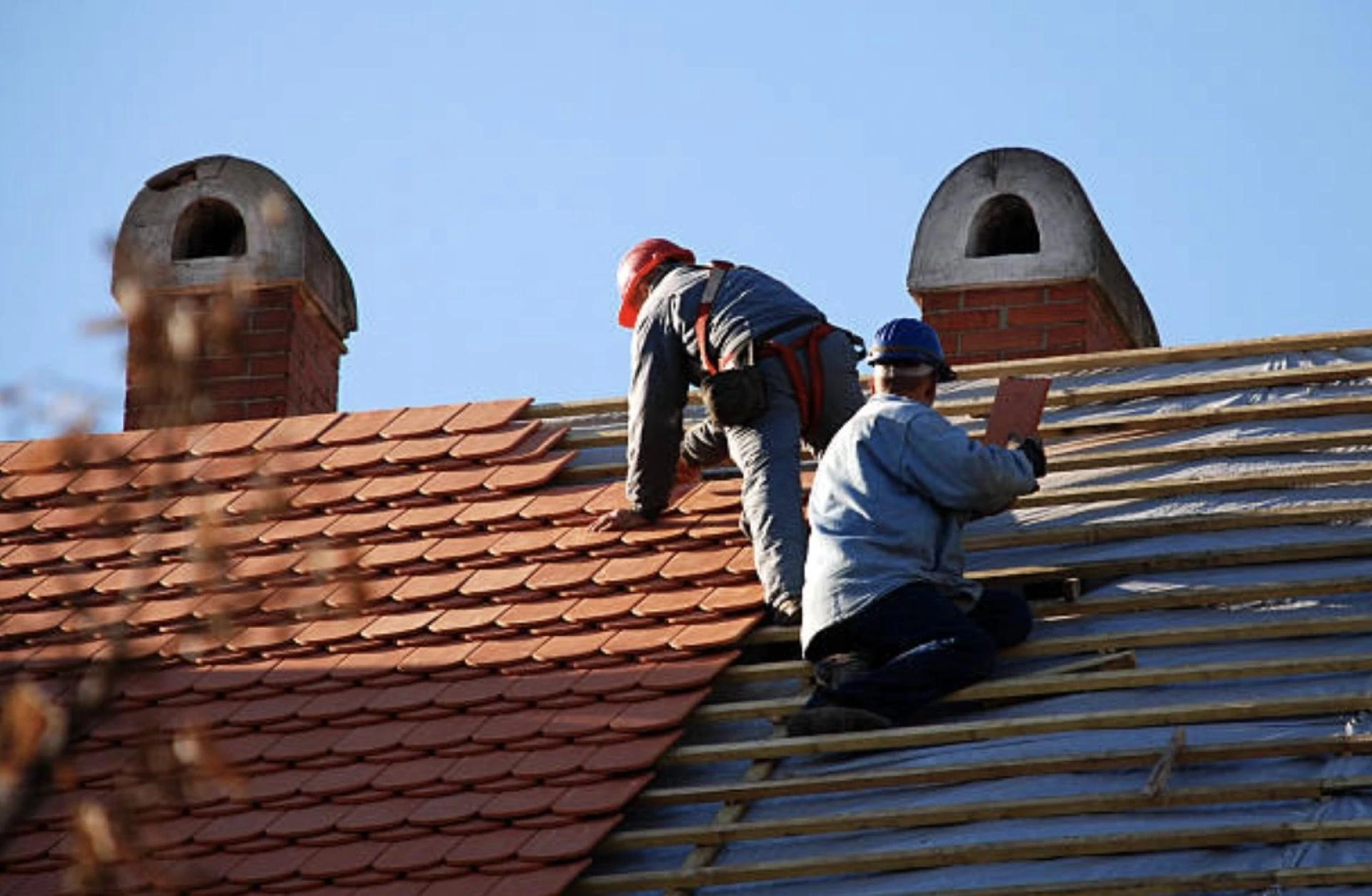
When it comes to commercial buildings in Lyndhurst, New Jersey, one thing every property owner knows is that the roof matters. Not just any roof, either—especially if you’re dealing with flat commercial roofs. Unlike sloped residential roofs, flat roofs have unique challenges: drainage issues, exposure to harsh weather, and the need for durable materials that can stand the test of time. If you’re in the market for a new roof or planning a replacement, understanding the best materials available is crucial. Let’s take a casual walk through the options, pros, cons, and why material choice can make or break your commercial investment.
Why Material Choice Matters
Before diving into specifics, it’s worth noting why selecting the right material for a flat commercial roof isn’t just a cosmetic decision. Flat roofs endure extreme conditions—think of intense summer heat in New Jersey, heavy rain, or even the occasional snowstorm. The wrong material can lead to leaks, costly repairs, and shortened lifespan. On the other hand, picking the right one ensures longevity, energy efficiency, and less hassle down the line.
Also, flat roofs are more prone to pooling water than sloped roofs. This makes waterproofing a critical factor. So, while aesthetics may not be a top priority, durability, insulation, and weather resistance certainly are.
Popular Flat Roof Materials
Flat commercial roofs are made from a handful of common materials, each with its own set of advantages. Here’s a closer look:
1. TPO (Thermoplastic Olefin)
TPO roofing has been growing in popularity across the U.S., and Lyndhurst is no exception. It’s a single-ply membrane that’s heat-reflective and energy-efficient, making it perfect for commercial buildings aiming to reduce energy costs. TPO is resistant to chemicals, punctures, and tears, which is why many businesses prefer it for both new installations and re-roofs.
Another bonus? Installation is relatively straightforward, which can reduce labor costs. While TPO might have a slightly higher upfront price compared to some alternatives, its longevity and energy savings often balance that out.
2. EPDM (Ethylene Propylene Diene Monomer)
EPDM is another single-ply roofing option, known for its durability and affordability. It’s commonly referred to as “rubber roofing” because of its flexible, rubber-like composition. EPDM works well in both hot and cold climates, which makes it a solid choice for Lyndhurst’s variable weather.
It’s lightweight, easy to install, and repairs are simple—just patching is often enough to solve small leaks. The main downside? EPDM roofs typically come in black, which can absorb heat. However, reflective coatings are available to improve energy efficiency.
3. PVC (Polyvinyl Chloride)
PVC roofing has been a go-to for many commercial properties for decades. It’s a single-ply membrane like TPO and EPDM, but PVC is particularly known for chemical resistance, making it ideal for buildings exposed to oils, fats, or other industrial substances.
Its longevity is impressive, often lasting 20 to 30 years if installed and maintained properly. One additional perk is that PVC roofs can be recycled at the end of their lifespan, which is an eco-friendly bonus for businesses looking to go green.
4. Modified Bitumen
Modified bitumen is a traditional roofing material that has stood the test of time. It consists of asphalt reinforced with modifiers and sometimes a fiberglass or polyester mat. This layering approach improves flexibility and reduces the risk of cracking.
It’s generally applied in layers using heat or adhesive. While installation can be a bit more labor-intensive, modified bitumen is highly durable and resistant to harsh weather conditions—perfect for commercial properties in Lyndhurst that see their fair share of storms.
5. Built-Up Roofing (BUR)
Built-Up Roofing, or BUR, is often called the “tar and gravel” roof. This type of roof consists of multiple layers of bitumen alternated with reinforcing fabrics. The top layer is usually coated with gravel or a reflective surface for UV protection.
BUR roofs are incredibly durable and provide excellent insulation. They do, however, require professional installation and periodic maintenance to ensure the layers stay intact. If properly maintained, a BUR roof can last decades, making it a solid long-term investment.
Factors to Consider When Choosing Materials
Choosing the right material goes beyond just picking the most durable option. Here are some key factors commercial property owners in Lyndhurst should keep in mind:
- Weather Resistance: Flat roofs need to withstand wind, rain, and snow. Some materials like PVC and TPO are more resilient against chemical damage and UV exposure.
- Energy Efficiency: Reflective materials reduce cooling costs, which is crucial during New Jersey’s hot summers.
- Maintenance: Some materials are easier to repair than others. EPDM, for instance, is easy to patch, while BUR might require more professional attention.
- Longevity vs. Cost: The cheapest option may not always be the best investment. Calculating cost per year of lifespan often favors slightly more expensive, long-lasting materials.
- Environmental Impact: If sustainability is a priority, PVC and some TPO membranes can be recycled, offering eco-friendly benefits.
Installation and Professional Expertise
Installing a flat commercial roof isn’t a DIY project. It requires precision, experience, and the right equipment. That’s why finding the Best Roofing company near me in Lyndhurst is essential. A professional team can assess your building, recommend the ideal materials, and ensure proper installation. Improper installation can lead to leaks, water damage, and reduced lifespan, regardless of material quality.
Supporting phrases that reinforce context include: “commercial roofing services,” “flat roof specialists,” and “local roofing contractors.” Using these, Lyndhurst property owners can narrow down their choices and ensure they get a team experienced with the local climate, codes, and commercial building needs.
Maintenance Tips for Longevity
Even the best materials need care. Routine maintenance can prevent small problems from turning into costly repairs. Here are some tips:
- Regular Inspections: At least twice a year, check for cracks, pooling water, and debris.
- Clean Gutters and Drains: Blocked drains can cause water to accumulate, leading to leaks.
- Seal Minor Cracks Immediately: Catching small tears in EPDM or TPO early prevents them from spreading.
- Professional Check-Ups: Having a commercial roofing contractor inspect the roof every few years can extend its life.
These maintenance practices are straightforward but incredibly effective in preserving your roof’s integrity and performance.
The Bottom Line
Selecting the right material for a flat commercial roof in Lyndhurst, New Jersey, is about balancing durability, cost, and efficiency. TPO, EPDM, PVC, modified bitumen, and BUR each offer unique benefits, but the right choice depends on your building’s needs, budget, and long-term goals.
Ultimately, investing in quality materials and professional installation ensures that your commercial property stays protected for years to come. And remember, while online searches might help you identify potential teams, nothing beats hiring experienced local contractors who understand Lyndhurst’s climate and building requirements. This approach ensures your flat roof not only lasts but performs optimally in every season.
























Sign in to leave a comment.