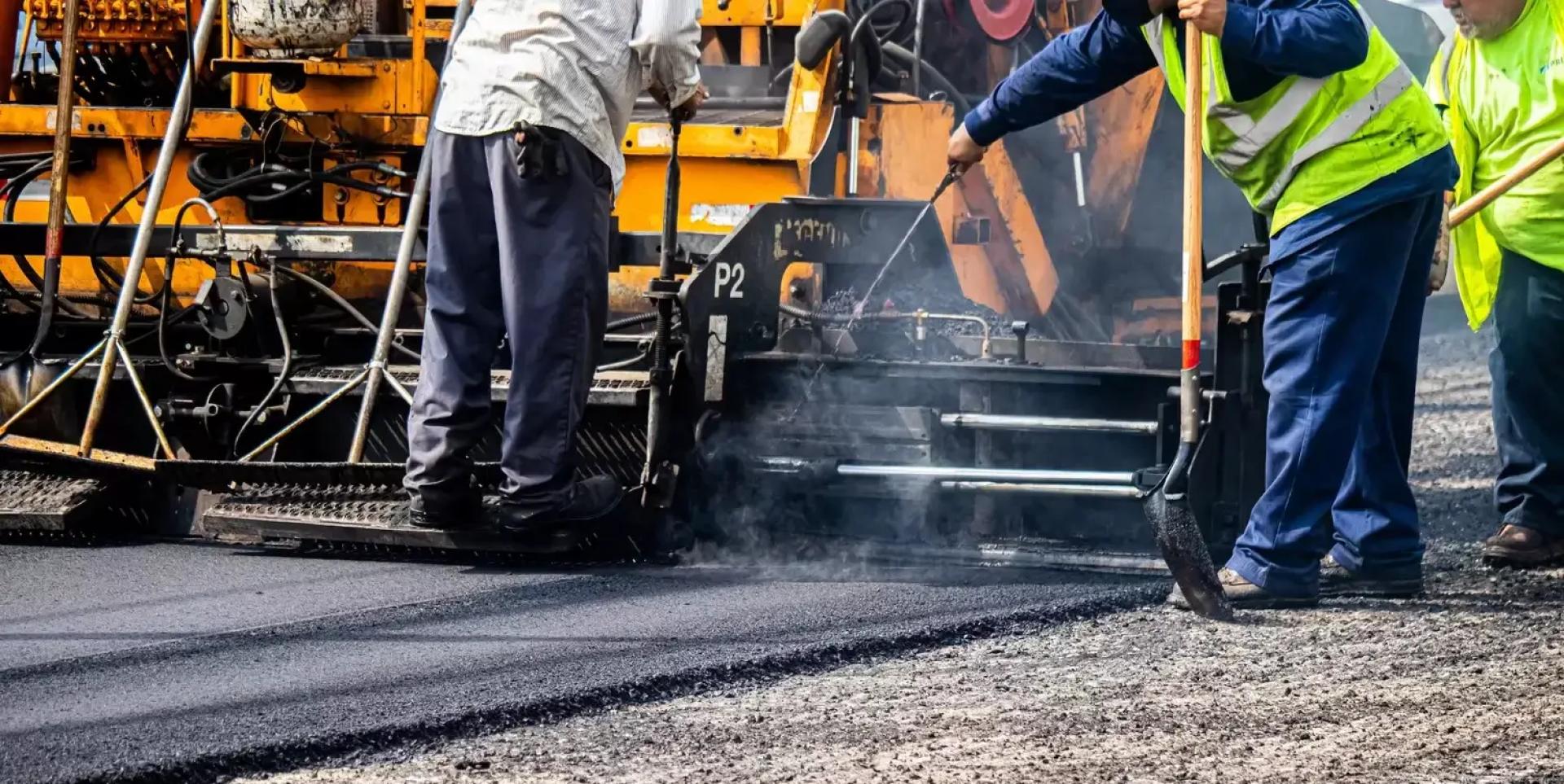
Spring in Fresno, CA, is the perfect time to enjoy outdoor spaces, but it’s also when many homeowners and business owners start noticing the wear and tear on their driveways, parking lots, and walkways. Asphalt may look durable, but after months of hot summers and occasional winter rains, it can start showing signs that it’s time for repair. Ignoring these warning signals can lead to bigger problems, higher costs, and even safety hazards.
Here’s a guide to help you identify when your asphalt needs attention, so you can address issues early and avoid costly surprises.
Cracks That Keep Growing
One of the most obvious signs that your asphalt is aging or stressed is cracking. Small hairline cracks might seem harmless at first, but over time, water can seep into these gaps, eroding the base and making the cracks larger.
- Alligator cracking: This looks like a series of interconnected cracks resembling an alligator’s skin. It usually indicates that the asphalt foundation has weakened and needs more than a simple patch.
- Linear or edge cracks: Often caused by ground movement, poor installation, or tree roots, these cracks can allow water infiltration if not sealed promptly.
A little preventative care, like sealing cracks as they appear, can extend the life of your asphalt dramatically.
Potholes Popping Up
Potholes are not just an eyesore—they’re a safety hazard. They often form after water infiltrates cracks or low spots in the asphalt, especially during the winter months when freeze-thaw cycles are common. By spring, these weak spots become potholes.
If you notice potholes forming in your driveway or parking lot, it’s a clear sign your asphalt needs repair. Filling them early prevents further spreading and protects the underlying layers.
Uneven Surfaces and Sinking Areas
Sometimes, asphalt doesn’t crack or form potholes, but the surface becomes uneven or develops low spots. This can be due to soil settling, erosion, or improper installation.
- Pooling water: Standing water after rain is a red flag. Not only can it damage the asphalt, but it can also create slippery, unsafe conditions.
- Depressions or ruts: These can develop over time from vehicle traffic or heavy equipment. Even small dips can worsen quickly if left unaddressed.
Fixing these issues might involve resurfacing or in severe cases, full replacement of the affected section.
Fading Color and Surface Erosion
Fresh asphalt is rich, dark, and smooth, but exposure to the sun, heat, and UV rays in Fresno can fade the surface over time. When the asphalt starts looking dull, gray, or chalky, it may be losing its protective properties.
- Surface erosion: Tiny granules or aggregate falling out of the asphalt can indicate that it’s deteriorating.
- Shiny spots or bleeding: These could be signs of oil rising from the asphalt mix due to heat, which may require professional attention.
Regular maintenance, like sealcoating, can help restore the look and strength of your asphalt while protecting it from premature wear.
Frequent Repairs Needed
If you find yourself constantly patching cracks or filling potholes every few months, that’s a strong indicator your asphalt is reaching the end of its lifespan. Temporary fixes can help, but repeated issues mean the underlying structure is compromised.
This is the time to consult with a trusted local Asphalt company to assess whether resurfacing or replacement is the better long-term solution.
Water Damage and Drainage Problems
Water is asphalt’s biggest enemy. Poor drainage around your driveway or parking lot can accelerate deterioration, leading to cracks, potholes, and even foundation damage.
- Pooling after rain: Any areas where water lingers indicate improper grading or low spots.
- Edge crumbling: Water washing along the edges can erode the asphalt and underlying base.
Correcting drainage issues and addressing water damage promptly can save significant repair costs later.
Trip Hazards and Safety Concerns
Spring is the season when families and neighbors spend more time outside, and safety becomes a major concern. Asphalt that is uneven, cracked, or has potholes can pose tripping hazards, especially for children or elderly individuals.
Maintaining a smooth, level surface isn’t just about aesthetics—it’s about safety. Routine inspections in spring can identify risks before someone gets hurt, keeping your property safe and liability-free.
When to Call a Professional
Not every asphalt issue requires a full replacement, but knowing when to call in experts is crucial. If you notice any of the following, it’s time to get professional advice:
- Large or interconnected cracks
- Deep or recurring potholes
- Significant sinking or uneven surfaces
- Extensive surface erosion
- Persistent drainage issues
A skilled asphalt contractor can provide solutions ranging from minor repairs to full resurfacing, helping you extend the life of your asphalt and maintain curb appeal.
Preventative Tips for Spring Maintenance
Even if your asphalt looks fine now, a few simple steps can help prevent damage and costly repairs down the line:
- Regular inspections – Walk your driveway or parking lot monthly to spot early signs of damage.
- Sealcoating – Apply a protective layer every few years to prevent UV damage and water infiltration.
- Prompt crack repair – Small cracks can quickly escalate into bigger problems if ignored.
- Proper drainage – Ensure water flows away from asphalt surfaces rather than pooling.
- Avoid heavy loads – Limit parking of heavy trucks or equipment that can stress the asphalt.
Implementing these steps in Fresno’s hot, dry climate can help your asphalt withstand seasonal changes and maintain its integrity.
Conclusion
Spring is the perfect time to check your asphalt for signs of wear and tear. Cracks, potholes, uneven surfaces, fading, and water damage are all clear indicators that repairs may be necessary. Addressing these issues early can save money, prevent accidents, and prolong the life of your asphalt.
By staying vigilant and calling in a professional when needed, you can keep your driveway, parking lot, or walkway in top shape for years to come. After all, well-maintained asphalt not only enhances the appearance of your property but also ensures safety and functionality for everyone who uses it.




























Sign in to leave a comment.