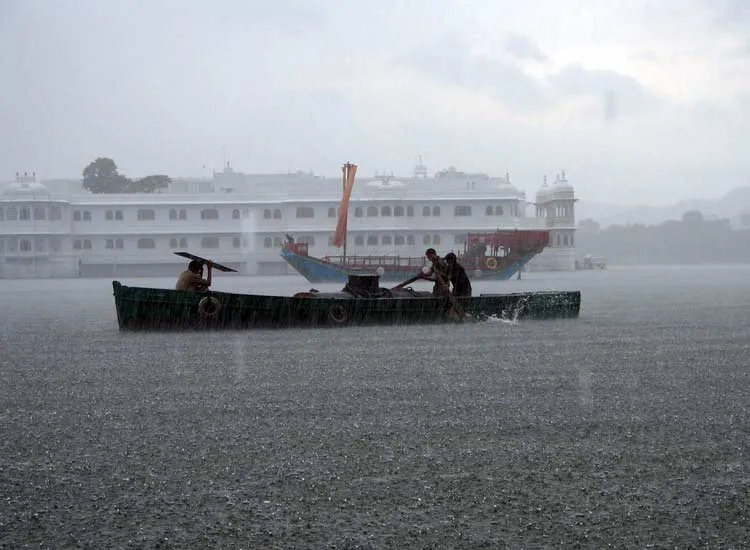

When most people envision Rajasthan, their minds instantly conjure images of sprawling golden sand dunes, shimmering desert heat waves, and sun-baked fortresses. However, if you visit the royal state between July and September, you will witness a breathtaking geographical transformation. The arrival of the monsoon rains strips away the arid stereotypes, cloaking the ancient Aravalli Range in vibrant shades of emerald green and breathing new life into historical lakes and water bodies. Exploring Rajasthan in the rainy season offers a refreshing perspective filled with misty hills, roaring seasonal waterfalls, and crowd-free heritage sites. Planning an absolute itinerary through a trusted travel agency in Rajasthan allows you to unlock these rain-washed treasures effortlessly while avoiding seasonal roadblocks.
Udaipur: The Magical City of Lakes Reborn
Udaipur is undeniably the crown jewel of Rajasthan’s monsoon tourism. Known globally as the Venice of the East, the city’s complex network of natural and artificial lakes fills up to the brim, turning the entire urban landscape into a floating paradise. The iconic Lake Pichola and Fateh Sagar Lake reflect the dramatic, cloud-heavy skies, offering spectacular boating experiences where cool breezes replace the usual summer humidity.
To truly capture the essence of a rainy vacation here, a trip to the Sajjangarh Monsoon Palace is an absolute necessity. Perched high on the Bansdara Peak of the Aravalli Hills, this historic white marble palace was specifically constructed by Maharana Sajjan Singh in the late 19th century to track the movement of monsoon clouds. Standing on its sweeping balconies while wrapped in low-hanging clouds and watching the rainfall blanket the city below is a deeply humbling experience. For those traveling with loved ones, securing a specialized Rajasthan holiday tour package during these months guarantees access to lake-view heritage properties and customized boat safaris at heavily discounted off-season rates.
Mount Abu: The Cloud-Kissed Oasis of the Aravallis
As the only hill station in the state, Mount Abu takes on an alpine character once the monsoon hits the region. Situated on a high rocky plateau near the Gujarat border, this destination experiences heavy rainfall that completely rejuvenates its local ecosystem. The entire town gets enveloped in a dense layer of thick fog and rolling mist, providing a stunning visual contrast to the rest of the desert state.
During the rains, the famous Nakki Lake looks pristine, surrounded by verdant hills and unique rock formations like Toad Rock. Beyond the serene lake, the seasonal waterfalls around the Mount Abu Wildlife Sanctuary spring back to life, creating wonderful opportunities for light trekking and nature photography. The pleasant weather, hovering between 20°C and 28°C, makes outdoor exploration highly comfortable. Visitors can seamlessly marvel at the intricate marble architecture of the Dilwara Jain Temples without battling the dense tourist crowds characteristic of the winter season.
Kumbhalgarh: The Great Wall Enshrouded in Mist
The massive Kumbhalgarh Fort, boasting a perimeter wall second in length only to the Great Wall of China, transforms into a dramatic historical theater during the rainy season. Located roughly 85 kilometers from Udaipur, this UNESCO World Heritage Site sits nestled deep within the Aravalli hills, which turn into an uninterrupted carpet of lush green forests from July onward.
As the monsoon peaks, the fort's towering ramparts frequently cut through low-flying clouds, offering panoramic views of the misty valleys below. Exploring the fort's interior palaces, like the Badal Mahal situated at its highest point, feels like stepping back into a mystical era. The damp stone paths, the smell of fresh earth, and the cool winds howling through the bastions provide an authentic encounter with Rajput history. The surrounding Kumbhalgarh Wildlife Sanctuary also thrives during this period, making it a spectacular route for monsoon drives and safaris to witness native flora and fauna at their peak vitality.
Bundi and Banswara: The Hidden Monsoon Secrets
For travelers seeking offbeat destinations away from mainstream paths, the Hadoti region's Bundi is a magnificent choice. Renowned as the city of stepwells, Bundi features over fifty ancient structures like Raniji ki Baori that fill up gracefully with fresh rainwater. The towering Taragarh Fort overlooking the town appears completely refreshed by the downpours, its ancient stone walls covered in soft moss. Just a short drive away, the spectacular Bhimlat Waterfall cascades down from a height of roughly 60 meters, offering a majestic natural sight amidst the green wilderness.
Further south lies Banswara, frequently dubbed the "Cherrapunji of Rajasthan." Due to its high rainfall, the landscape turns into a tropical wonderland where the mighty Mahi River spreads wide across the topography, earning it the title of the Land of a Hundred Islands. The roaring Singpura waterfalls and the overflowing Kagdi Pick-up Weir present unparalleled sights that challenge everything people assume about Rajasthan's climate. It serves as an ideal choice for families or corporate teams looking for dedicated Rajasthan group tour packages to experience an untouched, eco-friendly side of India's largest state.




























Sign in to leave a comment.