

In an age where markets move fast and information is everything, choosing the right platform matters more than ever.
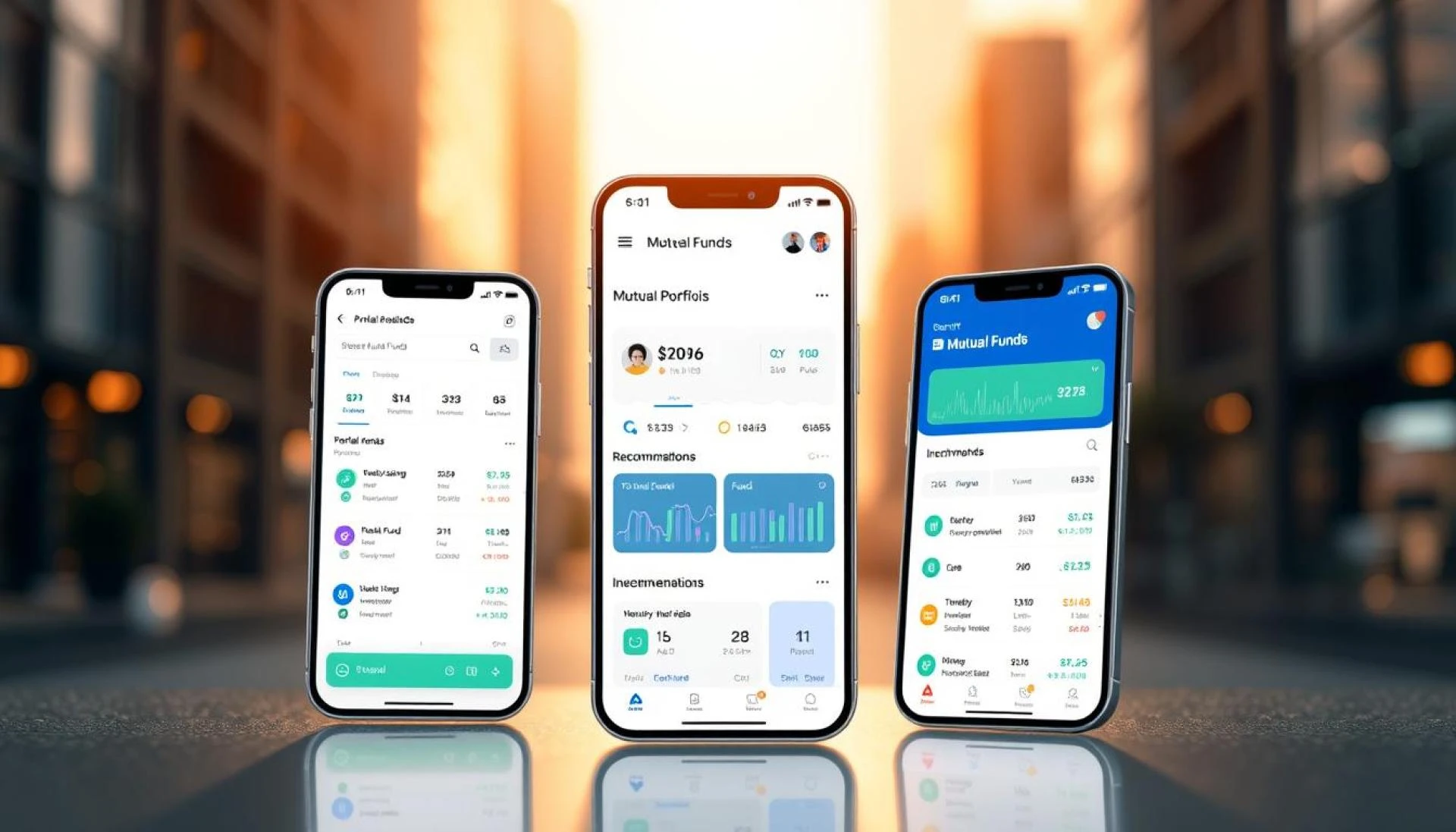
Best mutual fund apps in India deliver instant NAV updates, intelligent portfolio analytics, and timely alerts so investors can act with confidence rather than guesswork.
Why real-time insights matter for mutual fund investors
Real-time data changes how you plan and manage investments. Long gone are the days when mutual fund investors waited days to see performance; today’s apps show NAV movements, fund flows, and allocation shifts in near real time. That visibility helps in rebalancing portfolios, tracking SIP performance, and spotting short-term anomalies that may warrant deeper review. For goal-driven investors—retirement, children’s education, or wealth accumulation—having accurate, up-to-the-minute information reduces uncertainty and supports disciplined decision-making.
Key features to expect from modern mutual fund apps
Not all apps are created equal. The ones that truly help investors combine slick design with actionable intelligence. Look for:
- Instant NAV updates and daily performance snapshots.
- Consolidated portfolio dashboards that show returns across SIPs and lumpsum holdings.
- Fund comparison tools with expense ratio, alpha, beta, and rolling returns.
- SIP calculators and goal-trackers that translate targets into monthly contributions.
- Tax reports and capital gains summaries for effortless compliance.
- Alerts for underperformance, drift in asset allocation, or large redemption events.
- Security layers like two-factor authentication, secure APIs, and encrypted data storage.
How real-time alerts improve investor behavior
Behavioral finance shows that investors often act emotionally—selling in panic or buying on hype. Real-time alerts from apps can nudge users toward rational actions: a notification about a fund’s sudden outflow can trigger a review rather than an immediate exit; an alert that a SIP has hit a milestone can prompt a disciplined increase in allocation. Well-designed alerts are small but powerful tools that convert raw data into useful prompts at the right time.
The role of analytics and visualizations
Numbers are easier to act on when they tell a story. Modern mutual fund apps translate data into clear visuals: rolling return charts, sector allocation sunbursts, and heatmaps that highlight the best and worst performers. Scenario planners let you model what happens if you increase SIPs by 10% or shift allocations between equity and debt. These visual tools help investors make better trade-offs between risk and reward.
Ease of onboarding and KYC: the frictionless advantage
A great app removes paperwork from investing. Instant KYC, UPI-based payments for on-the-spot SIPs, and guided fund selection flows remove the friction that once kept newcomers on the sidelines. Apps that provide guided onboarding—asking about goals, time horizon, and risk appetite—generate personalized fund suggestions and make it easier to start investing immediately.
Costs, direct vs. regular plans, and transparency
Cost matters over the long term. Many apps highlight direct-plan availability—savings that compound significantly over years. Transparency about expense ratios, exit loads, and any platform fees should be front-and-center. The best apps show the real cost differential between direct and regular plans and calculate how much you save over 5, 10, or 20 years by choosing direct plans.
Security, compliance, and regulatory hygiene
Security isn’t optional. Choose apps that are backed by SEBI-registered registrars, use bank-grade encryption, and provide multi-factor authentication. Check whether the app publishes audit logs or security attestations and that it uses secure third-party custodians for fund transactions. Privacy policies should be clear about how your data is used and shared.
How robo-advice and algorithmic recommendations help
Robo-advisors in mutual fund apps automate asset allocation based on your inputs: goal, horizon, and risk tolerance. These algorithms rebalance portfolios automatically, reinvest dividends, and suggest SIP adjustments. While robo-advice is not a replacement for human judgment, it offers low-cost, disciplined portfolio management that’s especially valuable for investors who prefer a hands-off approach.
Community, education, and investor support
Top apps invest in investor education—short explainers on expense ratios, SIP vs. lumpsum, tax treatment, and risk metrics. Interactive features like community Q&A, expert webinars, and curated reading lists help users learn while they grow. Equally important is responsive customer support for payments, redemptions, and KYC problems during market hours.
Mobile-first features investors love
Investing happens everywhere—on commute, during lunch, or between meetings. Offline reading modes for long-form analysis, push alerts for NAV swings, and easy fund-switching flows make the mobile experience powerful. Widgets that show portfolio value on your home screen or in-app widgets for quick SIP toggles increase engagement and reduce the likelihood of missed opportunities.
Choosing funds: what smart apps recommend
A good app balances quantitative signals (rolling returns, Sharpe ratio, expense ratio) with qualitative context (fund house stability, fund manager track record). They flag concentration risk, large mid-cap holdings in small-cap funds, and sector bets that amplify volatility. The best platforms show both historical performance and scenario-based forward projections to set realistic expectations.
Performance monitoring and rebalancing strategies
Real-time insights are valuable only if paired with disciplined rebalancing. Apps can automate this by setting thresholds—if equity allocation exceeds a target by X%, rebalance to target weights. They can also suggest periodic rebalancing (quarterly or annually) and simulate how these actions would have affected historical returns. These tools turn hindsight into a proactive framework.
Integration with broader financial life
Investing doesn’t happen in isolation. Apps that integrate banking, expense tracking, tax planning, and insurance give investors a holistic view of their financial health. Linking mutual fund performance to cash flow models or retirement calculators helps users make allocations that are realistic and goal-oriented.
Accessibility: low minimums, fractional units, and goal-based SIPs
Lowering the entry barrier matters. Many apps now allow SIPs starting at ₹100, support fractional units for expensive funds, and let users set multiple goals with separate SIPs. These features democratize investing and encourage consistent saving behaviors among young investors and those with irregular incomes.
Best mutual fund apps in India — Real-Time Insights & Tools
Best mutual fund apps in India are no longer just transaction engines; they are analytics platforms that deliver live NAVs, fund flow alerts, and portfolio health checks. These apps combine crisp UI, robust backend feeds, and interpretive layers that translate raw market movement into user-friendly recommendations. Whether it’s flagging an underperforming fund, suggesting a tax-loss harvesting move, or highlighting when a SIP has compounded beyond expectation, these platforms make real-time insights actionable and understandable even for novice investors.
Practical tips to maximize app value
- Set clear goals and link each SIP to a goal.
- Use automated rebalancing to stay on target.
- Review fund house concentration periodically.
- Favor direct plans when you’re comfortable selecting funds independently.
- Use alerts to avoid reactionary moves—treat alerts as prompts for review, not automatic triggers for selling.
Common pitfalls and how apps help avoid them
Investors often chase past returns or overreact to short-term volatility. Real-time apps reduce these pitfalls by offering context—rolling three-year returns, risk-adjusted metrics, and comparison against relevant benchmarks. They also warn users when portfolio drift exceeds thresholds, preventing accidental overexposure.
Future trends: personalization, AI, and predictive analytics
Expect deeper personalization—AI that suggests incremental SIP increases based on cash flow, predictive analytics that highlight funds likely to outperform given macro shifts, and voice-driven insights for quick portfolio checks. These trends will make apps more proactive, suggesting moves before problems escalate.
How to evaluate and pick the right app for you
Trial multiple apps, compare fee disclosures, and test the UX with mock SIPs. Ensure you can export tax reports easily and that the app supports hassle-free redemptions. Read reviews focused on uptime and payment reliability—small failures during redemptions can be costly.
Conclusion
Mutual fund investing has evolved from paperwork and waiting to instant, insight-driven decision making. The best mutual fund apps in India provide real-time NAVs, robust analytics, and tools that help investors stay disciplined and goal-focused. By pairing these platforms with responsible habits—clear goal setting, diversification, and periodic rebalancing—investors can use technology to build consistent, long-term wealth. For a complete investing strategy, consider combining the convenience of the best trading apps in India with the analytical power of the best mutual fund apps in India.



























Sign in to leave a comment.