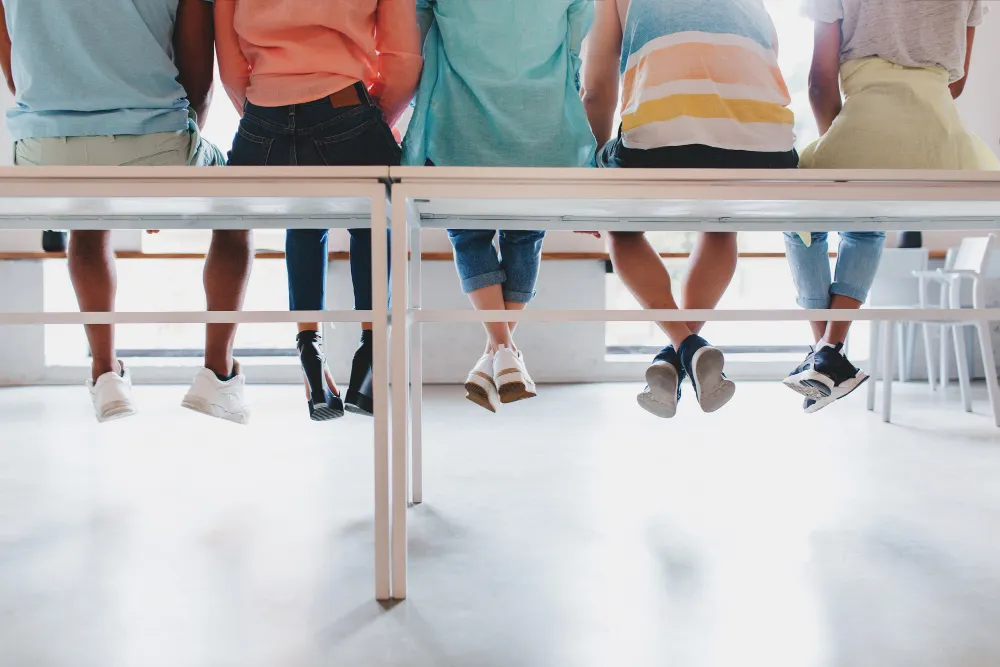

Academic learning is only one part of a child’s growth during the elementary years. Equally important is emotional development, the process through which children learn to understand feelings, build relationships, manage challenges, and develop confidence.
Elementary school plays a major role in shaping emotional intelligence because children spend a significant portion of their early years in the classroom environment. During this stage, students are learning how to communicate, collaborate, solve problems, and navigate social situations that influence both their academic success and personal well-being.
Strong emotional development during childhood often leads to better self-esteem, healthier relationships, improved classroom behavior, and stronger long-term learning outcomes.
Today, many educators and parents recognize that schools must support not only academic performance but also emotional growth.
Why Emotional Development Matters in Elementary School?
Children in elementary school are still developing the emotional skills needed to:
- identify and express emotions
- manage frustration and disappointment
- build friendships
- handle conflict
- develop empathy
- communicate effectively
- build resilience
- gain independence
Without emotional support, children may struggle with classroom participation, social interactions, confidence, and learning engagement.
Research consistently shows that emotional well-being and academic performance are closely connected. Students who feel emotionally safe and supported are more likely to focus, participate, and succeed in school.
This is why many educators now view social-emotional learning as an essential part of elementary education rather than an optional addition.
Creating a Safe and Supportive Environment
One of the most important ways elementary schools support emotional development is by creating safe, welcoming environments where students feel valued.
Children are more willing to participate and express themselves when they feel respected and supported by teachers and peers.
Positive classroom environments often include:
- encouraging communication
- respectful behavior expectations
- inclusive classroom activities
- emotional check-ins
- collaborative learning opportunities
- positive reinforcement
Teachers who create emotionally safe classrooms help students feel comfortable asking questions, sharing ideas, and learning from mistakes.
This sense of security is especially important for younger children who may still be adjusting to structured learning environments.
Many families searching for an elementary school in Los Altos prioritize schools that focus on both academic achievement and emotional well-being because they understand how closely the two are connected.
Social-Emotional Learning Programs
Many elementary schools now incorporate social-emotional learning (SEL) into daily classroom activities.
SEL programs teach children practical emotional and interpersonal skills that support healthy development.
These programs often focus on:
- self-awareness
- emotional regulation
- empathy
- responsible decision-making
- teamwork
- communication
- relationship building
For example, students may participate in group discussions about emotions, role-playing activities that teach conflict resolution, or classroom exercises that encourage empathy and cooperation.
These experiences help children develop stronger emotional intelligence over time.
Social-emotional learning also benefits classroom behavior. Students who understand emotional regulation are often better equipped to handle frustration, resolve disagreements respectfully, and work collaboratively with classmates.
Encouraging Positive Relationships
Elementary school is often where children begin forming meaningful friendships outside their families.
Schools support emotional development by encouraging healthy peer relationships and teaching students how to interact respectfully with others.
Group projects, classroom discussions, recess activities, and team-based learning all help children practice communication and collaboration skills.
Teachers also play a major role in modeling positive social behavior.
When educators demonstrate kindness, patience, active listening, and respect, students often mirror those behaviors.
Positive teacher-student relationships can significantly impact a child’s emotional confidence and sense of belonging.
Children who feel connected to their teachers are more likely to engage in learning and seek help when needed.
Helping Children Build Confidence
Confidence is an essential part of emotional development.
Elementary schools help students build confidence by creating opportunities for achievement, creativity, and participation.
This may include:
- classroom presentations
- creative projects
- leadership activities
- art and music programs
- sports and extracurricular participation
- collaborative problem-solving exercises
Celebrating effort, not just perfection, helps students develop a growth mindset.
Children who learn that mistakes are part of learning often become more resilient and willing to try new things.
Supportive teachers encourage students to take healthy risks, ask questions, and build independence over time.
Teaching Emotional Regulation and Problem Solving
Young children are still learning how to manage strong emotions.
Elementary schools often help students develop emotional regulation strategies through guided support and structured routines.
Teachers may encourage students to:
- pause before reacting
- identify their feelings
- use calming techniques
- talk through conflicts
- practice problem-solving
- express emotions respectfully
These skills are valuable both inside and outside the classroom.
Children who learn emotional regulation early often develop stronger coping skills later in life.
Many schools also provide counseling support, student wellness programs, or peer mediation initiatives to help students navigate social and emotional challenges.
Supporting Mental Wellness
Mental wellness has become an increasingly important topic in education.
Elementary schools are recognizing the importance of helping students manage stress, anxiety, and emotional challenges in healthy ways.
Some schools incorporate mindfulness exercises, quiet reflection time, wellness check-ins, or emotional support resources into the school day.
Teachers and counselors are often trained to identify signs that a student may need additional emotional support.
Early intervention can help prevent small challenges from becoming larger issues over time.
Families looking for an elementary school in Los Altos often value schools that prioritize emotional wellness because supportive learning environments contribute to healthier and more confident students.
Building a Strong School Community
A strong sense of community helps children feel connected and supported.
Elementary schools foster emotional development by creating inclusive environments where students feel like they belong.
School-wide events, classroom celebrations, buddy systems, assemblies, and collaborative activities help students build friendships and feel part of a larger community.
Inclusive environments also teach children empathy, respect, and appreciation for different perspectives and backgrounds.
When children feel accepted and included, they are more likely to develop emotional security and confidence.
The Role of Parents and Teachers Together
Emotional development is strongest when schools and families work together.
Regular communication between teachers and parents helps ensure children receive consistent emotional support both at school and at home.
Parents can support emotional growth by:
- encouraging open communication
- validating feelings
- teaching healthy coping skills
- reinforcing positive behavior
- maintaining routines
- supporting independence
Teachers and parents who collaborate effectively create stronger support systems for children.
This partnership helps students feel more secure and supported as they navigate emotional and academic challenges.
Many families selecting an elementary school in Los Altos look for schools that emphasize strong parent-teacher communication because collaboration plays a major role in student success.
Final Thoughts
Elementary school is about far more than academics. It is a critical stage for emotional development, confidence building, social learning, and personal growth.
By creating safe environments, teaching emotional intelligence, encouraging positive relationships, and supporting mental wellness, elementary schools help children build the emotional skills they will carry throughout life.
Students who develop emotional resilience and confidence early often experience stronger academic performance, healthier relationships, and greater long-term success.
As education continues to evolve, emotional development remains one of the most valuable foundations schools can provide for young learners.

























Sign in to leave a comment.