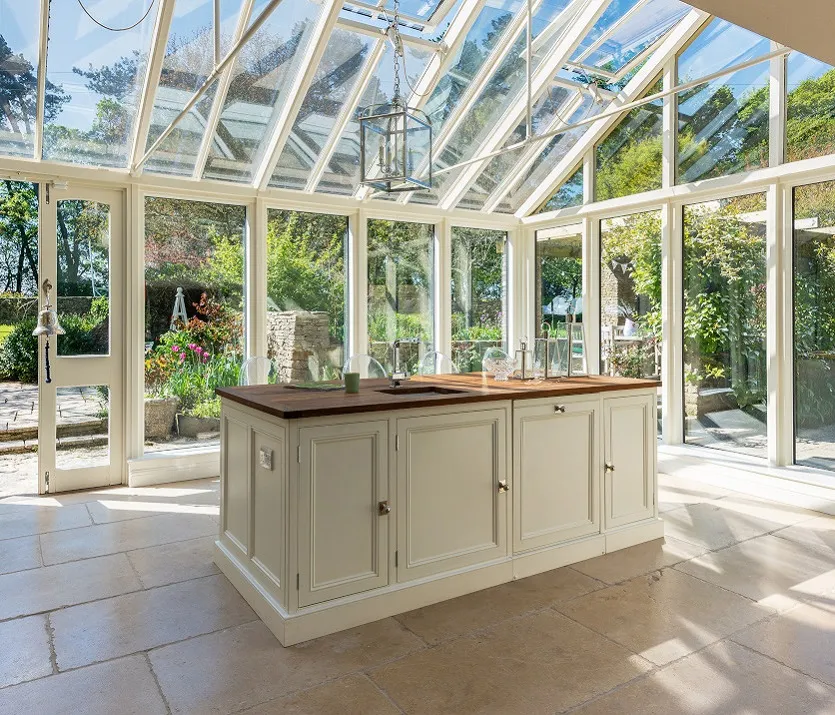

There is a reason natural stone flooring continues to appear in some of the most timeless interiors. It does not date easily, works comfortably with changing styles, and gives a room a sense of permanence that many manufactured surfaces struggle to achieve.
In kitchens especially, stone flooring has a way of bringing warmth to the overall feel of a space. Painted cabinetry, timber worktops, aged brass, limewashed walls, and natural textures tend to complement stone interiors. That shift in preference has become much more noticeable in recent years.
Many homeowners are moving away from interiors that feel overly sharp or trend-led. Warmer tones, natural materials, and softer finishes are becoming the preference again, particularly in open-plan homes where the flooring connects several areas together.
Choosing the right stone is not simply about selecting a colour. Tone, finish, texture, and format all influence how the room feels once everything is in place.
Limestone Remains the Most Versatile Choice
Limestone continues to be one of the most practical and visually adaptable options for indoor flooring. It works well in old homes, country kitchens, barn conversions, and modern extensions because the look feels natural.
Why limestone remains popular
- Works across both traditional and modern interiors
- Softer tones help rooms feel brighter
- Natural variation adds character
- Easy to pair with timber, painted cabinetry, and neutral colours
Soft limestone shades also respond well to softer natural light. Cream, beige, and pale taupe tones help rooms feel brighter without becoming stark or reflective. This is one reason collections such as Castile Soft Tumbled Limestone remain consistently popular in family kitchens and dining spaces.
The finish plays an important role, too. Tumbled limestone has softer edges and a slightly aged surface, which helps the floor feel more natural. Provence Soft Tumbled Limestone works particularly well in homes where the aim is warmth and character rather than a heavily rustic appearance.
Neither option dominates the room. They simply create a calmer backdrop for everything else around them.
Large Format Stone Creates Better Flow
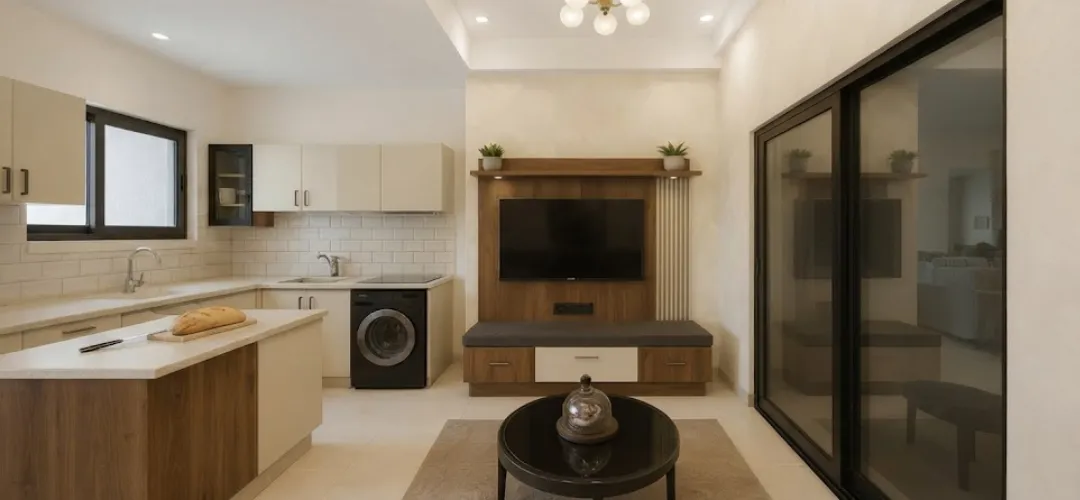
One of the biggest changes in recent years has been the shift towards larger open-plan spaces. Kitchens are no longer separate rooms used only for cooking. They are often connected directly to dining areas, sitting rooms, and garden spaces.
Large-format stone works particularly well in these layouts because it creates visual continuity across the floor.
Benefits of large-format stone
- Fewer grout lines
- A more open appearance
- Better flow between connected spaces
- A calmer overall look
Manor Stone Flagstone and Provence Ancient Flagstone are both good examples of stone suited to this style of interior. The larger pieces help anchor the room without making it feel formal. In homes with natural oak, exposed beams, or shaker-style kitchens, the effect feels especially balanced.
Smaller stone tiles can still work beautifully, but larger formats tend to create a more relaxed atmosphere in wider spaces.
Choosing the Right Finish for Everyday Living
Natural stone flooring finish has an impact on both appearance and usability. Some people prefer smoother finishes at first, but softer finishes are usually easier to maintain over time.
Popular stone finishes for indoor spaces
Tumbled and aged finishes
Tumbled and aged finishes continue to be popular, since they look natural with everyday wear. This is noticeable over time in busy kitchens and hallways. Chairs are moved, a pet comes into the garden, and foot traffic slowly increases. Moderate variations in stone tend to age more evenly.
Sandblasted finishes
Those who prefer a cleaner and a bit more architectural look will find sandblasted finishes to be another option. Avignon Heavy Sandblasted Limestone provides warmth and texture while offering a more refined look.
Natural Stone Flooring Works Well With Indoor and Outdoor Living
More homeowners are looking for continuity between indoor spaces and the garden, particularly in kitchen extensions with large glazed doors.
Using similar stone tones across connected spaces helps create that transition naturally.
Why indoor-outdoor flooring is growing in popularity
- Creates visual continuity
- Helps spaces feel connected
- Works well in modern extensions
- Complements open-plan layouts
It avoids the sharp visual break that can happen when interior flooring changes completely at the threshold.
Regent Tumbled Indoor Outdoor Limestone is often chosen for this reason. The surface works comfortably inside while also sitting naturally alongside patios and courtyards. Hebron Cream Indoor Outdoor Limestone creates a similar effect in lighter interiors where softer cream tones are preferred.
The aim is not to make indoor and outdoor spaces identical. It is simply to allow them to feel visually connected.
Warm Stone Tones Continue to Lead
Interior trends may change quickly, but warmer stone tones continue to hold their appeal because they are easier to live with over time.
Popular warm stone tones
- Pale beige
- Cream
- Oatmeal
- Soft taupe
These shades pair easily with changing paint colours and furniture styles. They also help kitchens feel more welcoming throughout the year, particularly during darker months when natural daylight is limited.
Connell Pale Tumbled Limestone still makes a good choice for this. It falls somewhere between the cream and soft beige styling and is versatile enough to be used in both traditional and contemporary interior design.
Grey stone is still in good use, even in more architectural houses. Silver Limestone and Raj Grey Flagstone add a somewhat cooler, yet natural texture that helps to soften the room's edges.
The choice is typically based on the ambience the homeowner desires, and not only on the current trends.
Practical Considerations Before Choosing Stone
Before you select stone, there are some practical considerations:
When it comes to indoor installations of natural stone flooring, there is always a need to provide a perfect blend of functionality and aesthetics. Maintenance, durability, and design are all important in kitchens, utility rooms, and hallways because they are constantly used.
Most limestone works well with underfloor heating, which is now common in many renovations and extensions. Stone also retains heat effectively once warmed, helping rooms feel comfortable underfoot during colder months. Sealing is another important part of the process. Properly sealed stone is easier to maintain and better protected from spills, moisture, and general wear.
It is also worth viewing larger samples in natural daylight before making a final decision. Stone changes noticeably depending on surrounding materials, room orientation, and lighting conditions throughout the day.
Final Thoughts
The best interiors rarely rely on materials that demand constant attention. They tend to use finishes that feel balanced, comfortable, and appropriate to the character of the home itself.
That is one reason natural stone flooring continues to work so well indoors. It adds texture without clutter, warmth without heaviness, and character without forcing the room towards a particular style.
Whether used in a country kitchen, a contemporary extension, or a quieter open-plan living space, stone flooring tends to improve as the home settles around it.






















Sign in to leave a comment.