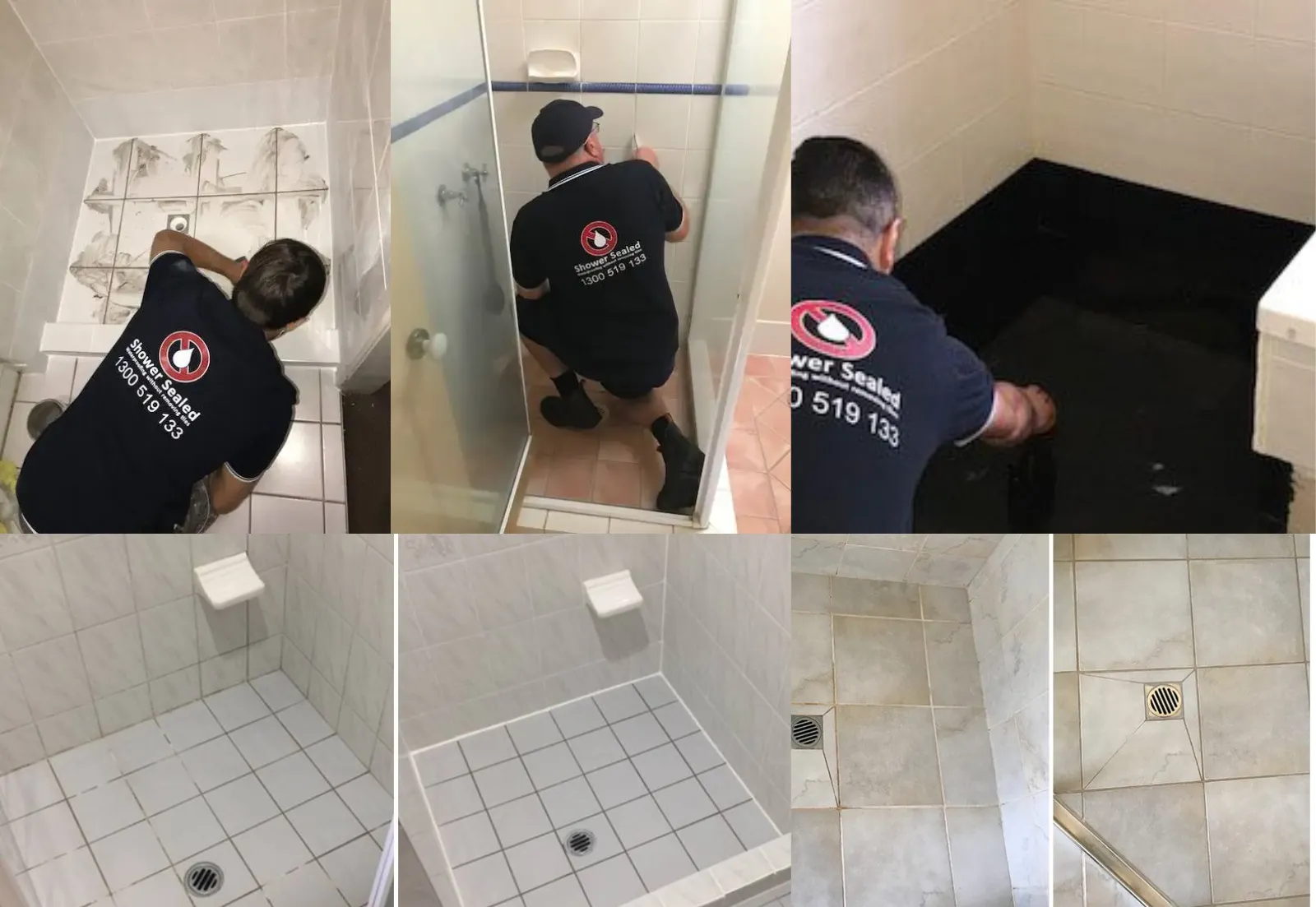

Walking into any Queensland home with a rotting timber subfloor or bubbling hallway skirting boards, you will notice that the homeowner failed to comply with AS-3740 standards. When a homeowner calls about a standard shower repair, they usually think it is just a matter of slapping on some silicone or replacing a few cracked tiles. In reality, what happens behind the walls is strictly governed by the National Construction Code (NCC) and Australian Standard AS-3740 (waterproofing of domestic wet areas).
This waterproofing standard sits behind most properly waterproofed residential bathrooms. But still many property owners only hear about it during a renovation or after a failed building inspection. Knowing what these standards expect can prevent expensive surprises.
AS–3740 IN PLAIN ENGLISH
AS–3740 is a waterproofing standard for domestic wet areas, and it works alongside the National Construction Code to set out how waterproofing should be designed and installed in bathrooms, laundries and other internal wet areas. These standards are more specifically designed for Class-1 buildings such as detached homes and townhouses. They are not about making a bathroom watertight forever, but mainly about creating a waterproofing barrier that manages normal movement, daily moisture and long-term durability.
A COMPLIANT SYSTEM GENERALLY INCLUDES:
- Correct surface preparation
- Suitable liquid membranes or approved alternatives
- Reinforcing joints and wall-to-floor junctions
- Adequate drying times between coats
- Protection of the membrane before tiling
As you miss one step, the whole system can be compromised inside the bathroom.
WHAT AS-3740 ACTUALLY MANDATES FOR SHOWERS?
You should forget the idea that waterproofing involves just painting on a membrane. The standard is specific about degrees of exposure and how to treat each one. For an enclosed shower with hob, you need the following:
- Waterproofing to the entire shower floor, turned up 150mm minimum up walls
- Walls waterproofed to 1800mm high minimum inside the shower
- A waterstop or hob at the entry, minimum 5mm above finished tile level
- Full bond breaking at all wall/floor junctions and penetrations
COMPLIANCE ISN'T ALWAYS OBVIOUS
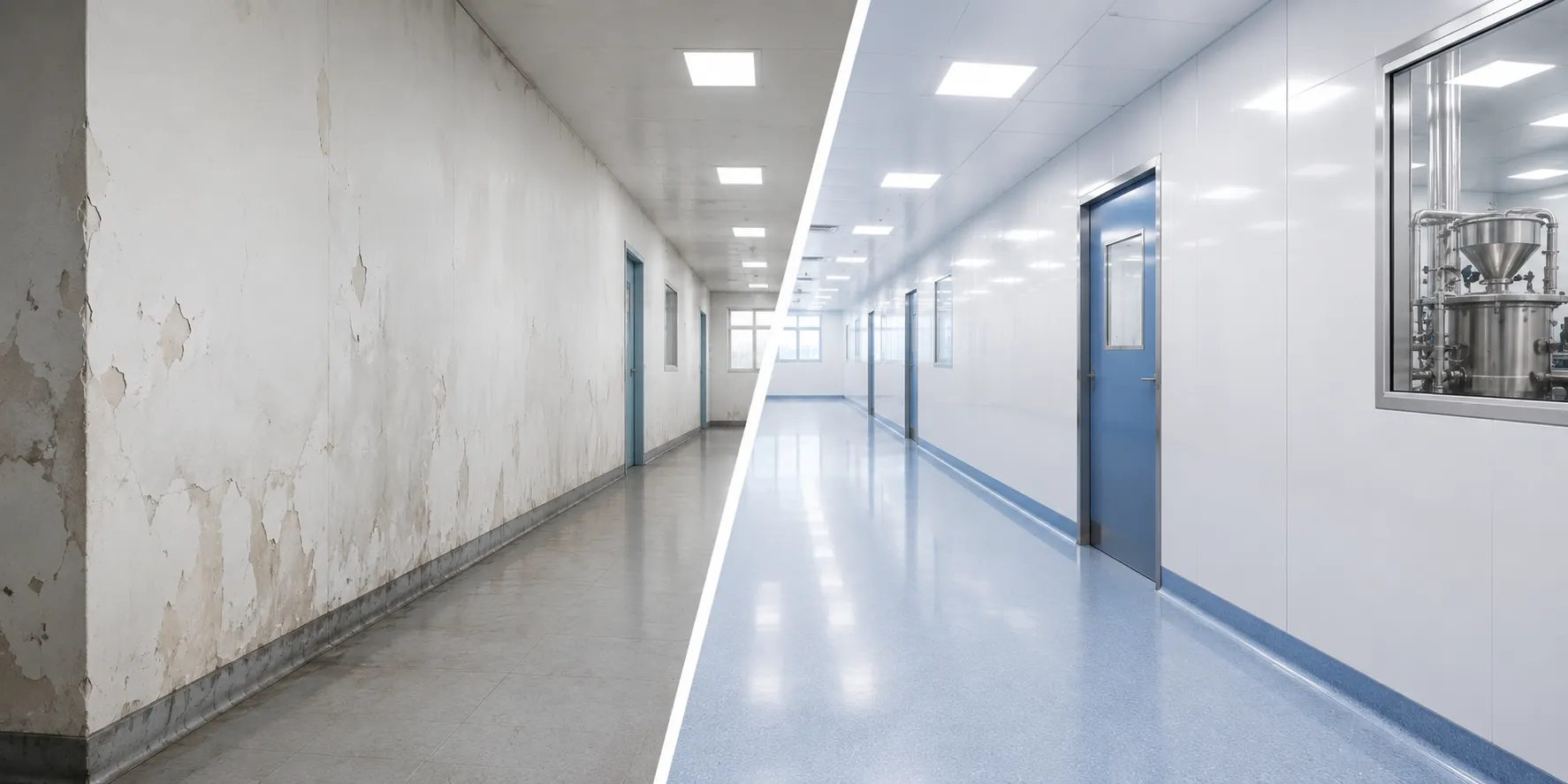
If you think that fresh grout means everything underneath must be in good condition, you are completely wrong. Bathrooms often pass visual checks while the membrane has already failed beneath the tiles. By the time swollen skirting boards, loose tiles, or mould appear, moisture may have already travelled well beyond the shower recess. This is why an in-depth building inspection or specialised leak investigation is mandatory before going for shower repair in Brisbane homes. This investigation and inspection covers issues that homeowners never suspected. Shower plumbers also admit that the expensive part isn't replacing the waterproofing system. It's replacing everything that was water-damaged after the waterproofing failed and went unnoticed for a long time.
WEATHER MATTERS INDOORS AS WELL
Australian conditions influence bathroom performance more than many people expect. Queensland's humidity slows drying during installation, if products aren't applied correctly and Melbourne's seasonal movement places extra stress on joints. Coastal homes introduce salt-laden air that accelerates deterioration around poorly sealed fittings. In all these situations, following wet area compliance requirements doesn't mean simple paperwork. It gives waterproofing systems a better chance of surviving local conditions over many years.
Both the Australian Building Codes Board through the NCC and Standards Australia provide the framework that contractors work within, while organisations including HIA and Master Builders Australia regularly reinforce compliant shower waterproofing practices across the industry.
WHERE SHOWER REPAIRS USUALLY GO WRONG?
The real failure is rarely the visible crack, and it mainly sits behind it. Some typical weak points include:
- Movement in the substrate or frame
- Poor falls to the drain
- Mixed materials that do not bond properly
- Silicone used as a waterproofing fix
- Rushed patch repairs over active leaks
A PRACTICAL COMPLIANCE CHECKLIST
BEFORE APPROVING BATHROOM REPAIRS OR RENOVATIONS, CHECK WHETHER:
- Waterproofing extends to required junctions
- Membrane products comply with Australian standards
- Floor wastes and penetrations are correctly sealed
- Expansion joints remain flexible
- Waterproofing has been protected before tiling
- Documentation is available where required
These checks don't replace in-depth professional assessment, but they reduce the likelihood of costly surprises later.
CONCLUSION
AS-3740 isn't written for homeowners, but understanding its basics makes conversations with builders and shower repair specialists much easier. Waterproofing failures are rarely caused by one dramatic mistake. They're usually the result of small shortcuts that only become obvious years later.
If your bathroom is showing persistent leaks, recurring grout cracks or unexplained moisture, arranging an experienced inspection before deciding on repairs is usually the most cost-effective next step.
FAQs
DOES EVERY BATHROOM HAVE TO COMPLY WITH AS 3740?
New work and many renovations are expected to meet current Australian waterproofing requirements under the NCC and applicable regulations.
CAN GROUT REPAIRS FIX WATERPROOFING PROBLEMS?
Not always. Grout protects tile joints but isn't the waterproof barrier.
HOW DO I COMPARE THE BEST PRICES FOR SHOWER REPAIR WITHOUT SACRIFICING QUALITY?
Compare scope of work, diagnostic methods, warranty and compliance — not just the lowest figure.
WHY IS SHOWER REPAIR BRISBANE OFTEN RECOMMENDED BEFORE VISIBLE DAMAGE SPREADS?
Subtropical humidity can allow hidden moisture to spread quickly, making early diagnosis far less expensive than delayed structural repairs.
Frequently Asked Questions
What is AS-3740 and why is it important for bathrooms?
AS-3740 is an Australian standard that governs the waterproofing of domestic wet areas, particularly in bathrooms and laundries. It ensures that waterproofing systems are designed and installed correctly to prevent moisture damage, which can lead to costly repairs if not adhered to.
Does every bathroom have to comply with AS-3740?
Yes, new constructions and many renovations are required to meet the current Australian waterproofing standards under the National Construction Code (NCC) and relevant regulations. Compliance helps ensure long-term durability and reduces the risk of water damage.
Can grout repairs fix waterproofing problems in my shower?
Not necessarily. While grout helps seal tile joints, it does not serve as a waterproof barrier. If there are underlying waterproofing issues, simply repairing the grout may not prevent further moisture intrusion or damage.
How can I find the best prices for shower repairs without compromising quality?
To find the best prices, compare the scope of work, diagnostic methods used, warranty offered, and compliance with standards among different service providers. Avoid making decisions solely based on the lowest price, as this can lead to subpar repairs.
Why is early shower repair recommended in Brisbane?
Due to subtropical humidity in Brisbane, hidden moisture can spread quickly and cause significant damage before it becomes visible. Addressing potential issues early can save homeowners from costly structural repairs later on.
What are common mistakes that lead to shower waterproofing failures?
Common mistakes include poor substrate movement management, inadequate drainage falls, using incompatible materials, relying on silicone as a waterproof fix, and rushing patch repairs over active leaks. Each of these can compromise the integrity of the waterproofing system.
What should I check before approving bathroom repairs or renovations?
Before approving any bathroom repairs, ensure that waterproofing extends to the required junctions, that membrane products comply with Australian standards, and that floor wastes and penetrations are properly sealed. Documentation of compliance is also recommended.





















Sign in to leave a comment.