

LNG and cryogenic pipelines demand reliable thermal control to limit unwanted heat gain. Advanced insulation can help maintain operating conditions while addressing the challenges of restricted access, moisture exposure, and maintenance planning.
Cryogenic pipeline systems operate under conditions where even relatively small amounts of unwanted heat transfer can affect process efficiency. LNG facilities, storage terminals, gas-processing plants, and related infrastructure therefore require insulation systems that can provide dependable thermal protection over long operating periods.
Traditional insulation systems can become difficult to manage around cryogenic piping because thickness, moisture protection, mechanical protection, and installation quality all influence performance. In congested plant areas, increasing insulation thickness may also create clearance problems around supports, valves, walkways, and adjacent services.
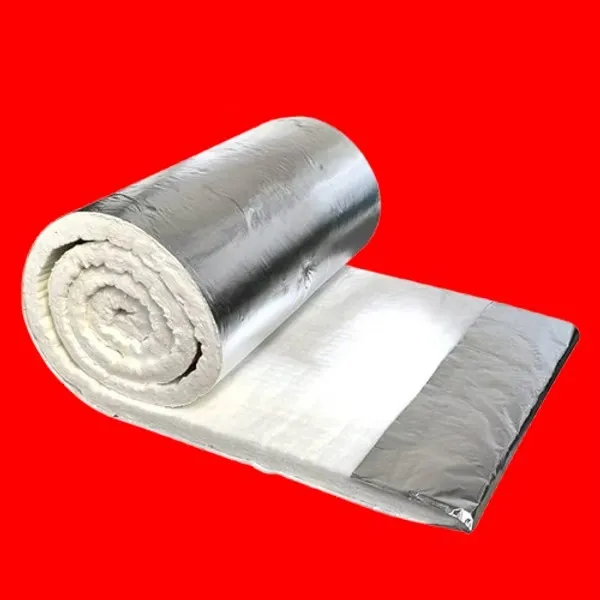
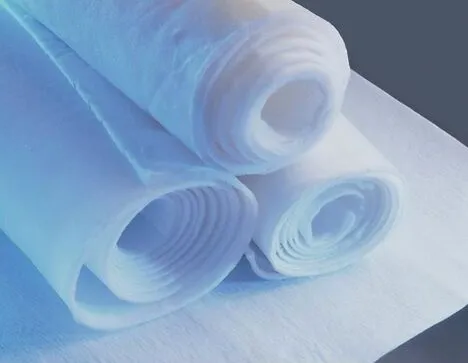
silica aerogel technology provides a highly efficient thermal barrier that can be used where space and thermal performance need to be balanced carefully. Its low-density structure and strong insulating capability make it useful for applications where engineers want effective thermal protection without creating an unnecessarily large insulation envelope.
Cryogenic systems also require careful attention to moisture. If water vapor reaches cold surfaces and enters vulnerable insulation areas, thermal performance can deteriorate and maintenance problems may increase. For this reason, insulation selection should be combined with appropriate vapor-barrier detailing, jacketing, sealing, and protection against mechanical damage.
Installation planning is particularly important around pipe supports and complex connections. These locations can create thermal bridges if they are poorly detailed. A properly engineered system should maintain continuity across the pipeline while accommodating movement, support arrangements, and inspection requirements.
Another consideration is long-term maintenance. LNG infrastructure is expected to operate for extended periods, so insulation should not be selected solely on initial procurement cost. Engineers and buyers should consider thermal performance, environmental exposure, installation quality, accessibility, durability, and the consequences of insulation failure.
An aerogel blanket format can also provide flexibility for complex sections where rigid insulation is difficult to fit. Properly designed flexible sections can help contractors manage bends, transitions, and irregular geometries while maintaining better coverage.
For project owners and EPC contractors, the right insulation strategy should therefore be developed alongside pipeline design rather than treated as a final construction activity. Early coordination can prevent clearance conflicts, simplify installation, and improve long-term maintainability.
DARQ Industries assists industrial project teams with advanced insulation selection for demanding thermal applications. Engineers, EPC contractors, and procurement teams can consult its specialists for project-specific material evaluation and installation planning.



























Sign in to leave a comment.