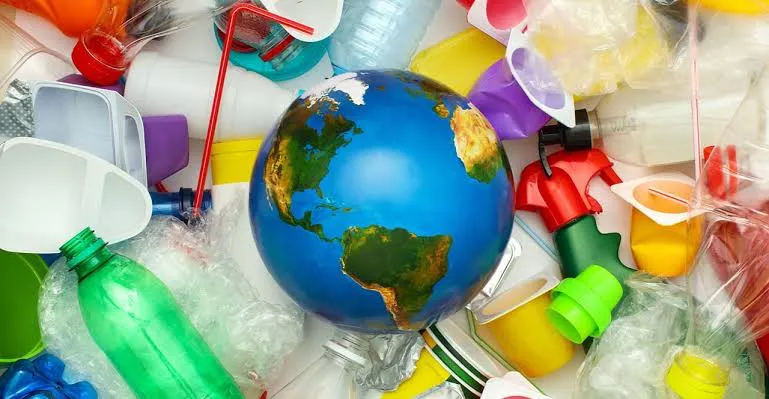

Trust doesn't come automatically to any recycling program, and it certainly doesn't come easily to flexible film recycling. This category of material has a more complicated collection and processing story than bottles or cans, and that complexity has historically made it harder for consumers to feel confident their participation is doing any good. Rebuilding that confidence takes more than good marketing. It takes a genuine, sustained commitment to transparency and accountability.
Why Trust Has Been Hard to Earn
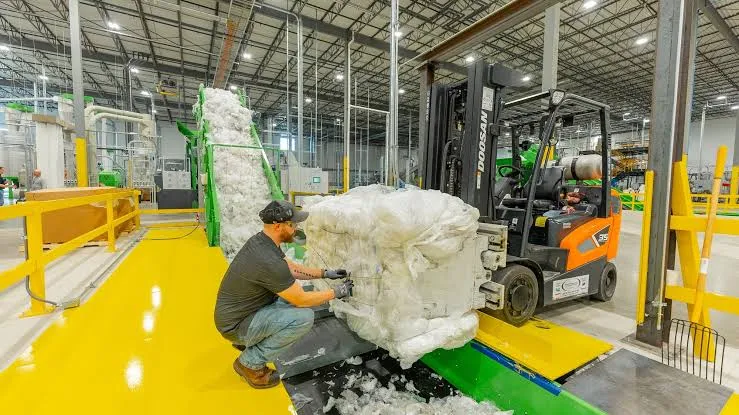
Flexible film, including plastic bags, wraps, and similar packaging, doesn't move through the same recycling systems as rigid plastics. It requires separate collection, usually through store drop-off programs, and separate processing designed for its thin, flexible structure. Because this system operates outside the curbside recycling most people are familiar with, it's less visible and less understood.
That lack of visibility creates fertile ground for skepticism. When consumers can't easily see or verify what happens to material after they drop it off, it's natural for some to wonder whether flexible film recycling actually works the way it claims to.
The Building Blocks of Public Trust
Programs that have made real progress in earning public confidence tend to focus on a consistent set of practices.
Clear, honest communication about how the system works. Rather than vague assurances, effective programs explain specifically how flexible film recycling operates, including where collected material goes and how it gets processed.
Independent verification of claims. Trust grows when programs invite outside parties to confirm that reported outcomes match reality, rather than relying solely on internal reporting.
Responsiveness to public questions. Programs that engage directly and publicly with constructive questions about their impact demonstrate a level of openness that builds credibility over time.
Consistent, scheduled reporting. Rather than releasing information sporadically or only when convenient, strong programs commit to specific timelines for sharing impact data publicly.
What Consumers Actually Want to Know
Research on public attitudes toward recycling consistently shows that people want two things: confidence that their effort matters, and honesty when something isn't working as well as hoped. Flexible film recycling programs that acknowledge challenges directly, rather than glossing over them, tend to earn more credibility than those that only present polished success stories.
This matters because trust isn't built through perfection. It's built through consistency and honesty over time, even when the full picture includes areas that still need improvement.
Practical Steps Programs Are Taking
Organizations working to build trust in flexible film recycling have adopted several practical strategies:
- Publishing collection location directories that make it easy for the public to find legitimate, verified drop-off points.
- Committing to public impact reports on a defined timeline, rather than leaving stakeholders without a clear sense of when results will be shared.
- Partnering with independent verification bodies to confirm that collected material is genuinely processed as claimed.
- Creating channels for public inquiry, allowing consumers and industry stakeholders to ask direct questions and receive public responses.
Each of these steps addresses a specific piece of the trust gap that has affected recycling programs broadly, and flexible film recycling in particular.
Why This Work Matters Beyond Public Perception
Building trust isn't just a public relations exercise. It has real consequences for how effectively flexible film recycling programs can function. When people trust that their participation matters, they're more likely to use drop-off programs correctly and consistently. When they don't, participation drops, contamination increases, and the entire system becomes less effective, regardless of how well-designed the underlying infrastructure might be.
In this sense, public trust and program effectiveness are deeply connected. Investing in transparency isn't separate from investing in better recycling outcomes. It's a core part of making those outcomes possible.
Our Commitment to Building Trust Through Action
The Flexible Film Recycling Alliance manages the Plastic Film Recycling Directory with these exact priorities in mind. We've committed to responsible collaboration, developing verification programs with the support of third parties and working closely with collection and recycling partners to ensure integrity throughout our efforts. We also commit to stakeholder engagement, responding to constructive inquiries publicly and welcoming requests to assess our impact directly.
Most importantly, we've committed to candid transparency, promising to publicly share our impact within two years of the directory's launch as we work with partners to verify and measure real progress.
The Bottom Line
Public trust in flexible film recycling won't be won through slogans or vague commitments. It's built through consistent transparency, independent verification, and a genuine willingness to engage honestly with questions about impact. Programs that embrace this approach are giving flexible film recycling the credibility it needs to grow, and giving consumers real confidence that their participation is worth the effort.
























Sign in to leave a comment.