
Data centers rely on efficient cooling to protect critical equipment. This blog explains how aerogel insulation helps improve chilled water and HVAC system performance while supporting space-efficient installations and long-term energy savings.
Modern data centers operate around the clock, making cooling infrastructure just as important as the servers themselves. Chilled water pipelines, HVAC ductwork, cooling manifolds, and mechanical equipment must maintain stable temperatures to ensure uninterrupted performance. Even minor thermal losses or condensation issues can increase energy consumption, reduce cooling efficiency, and create maintenance concerns that affect overall facility reliability.
Conventional insulation systems often become difficult to manage in data center environments where space is limited. Mechanical rooms, ceiling voids, and service corridors typically contain dense networks of electrical conduits, communication cables, fire protection systems, and cooling infrastructure. Thick insulation can make routing new services difficult while reducing access for inspections, repairs, and future expansion. During retrofit projects, available clearance is often too limited to accommodate additional insulation thickness without redesigning adjacent systems.
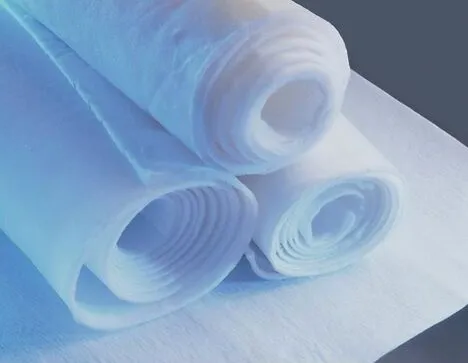
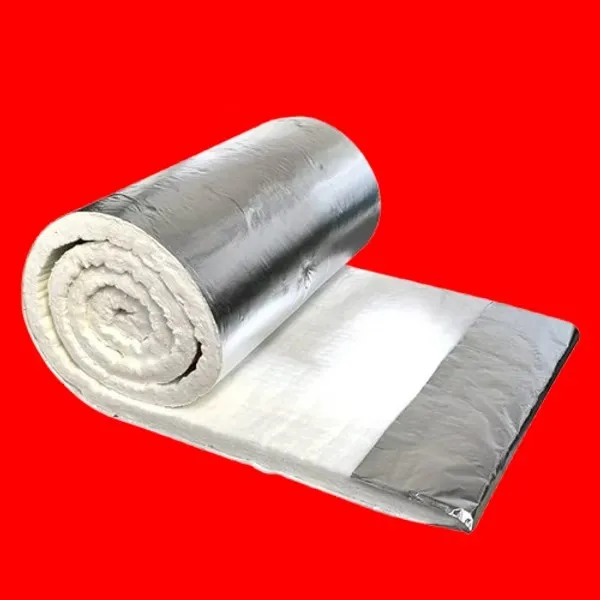
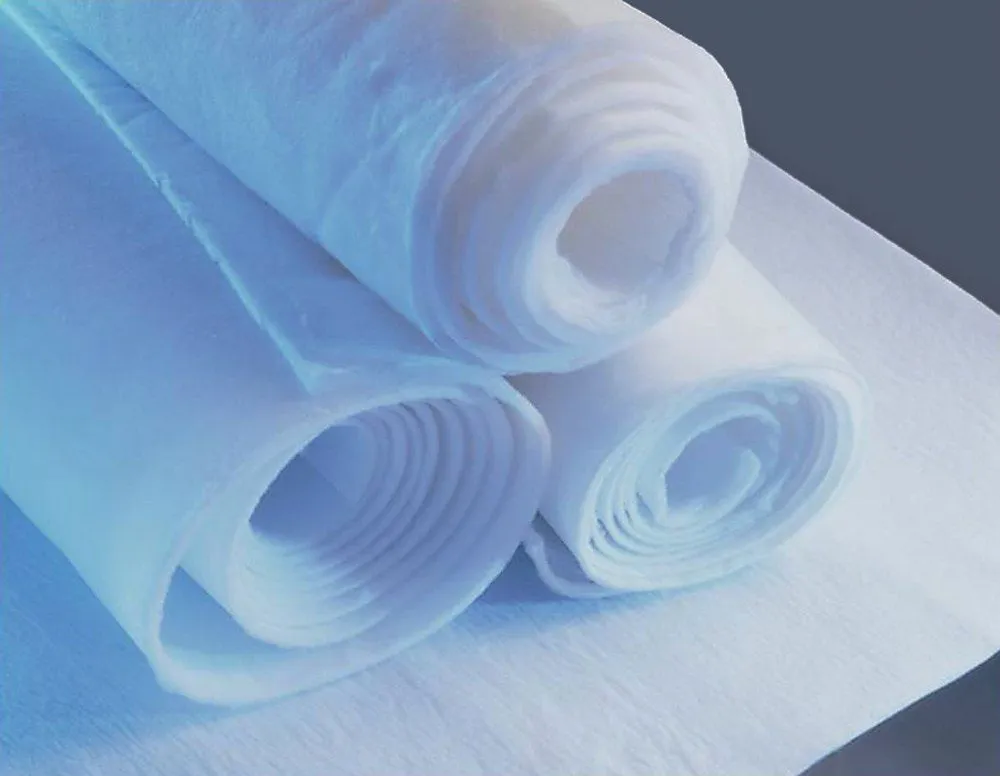
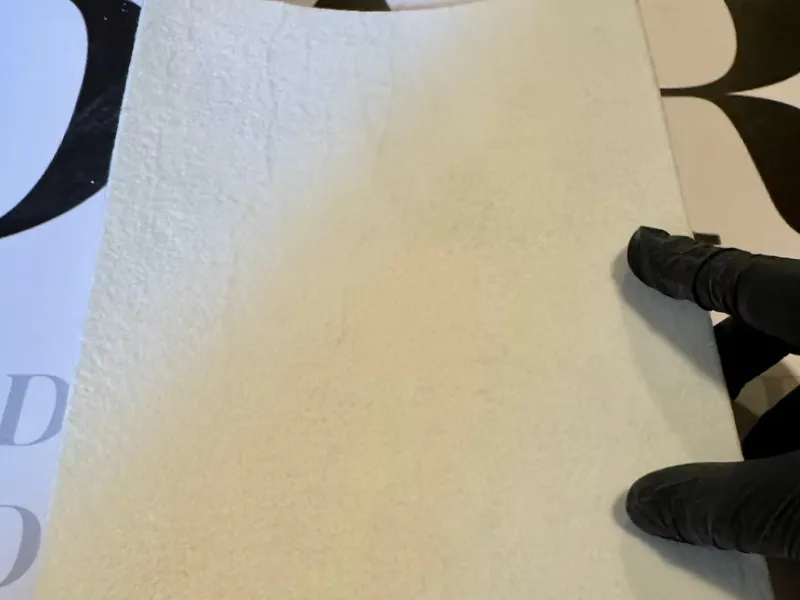
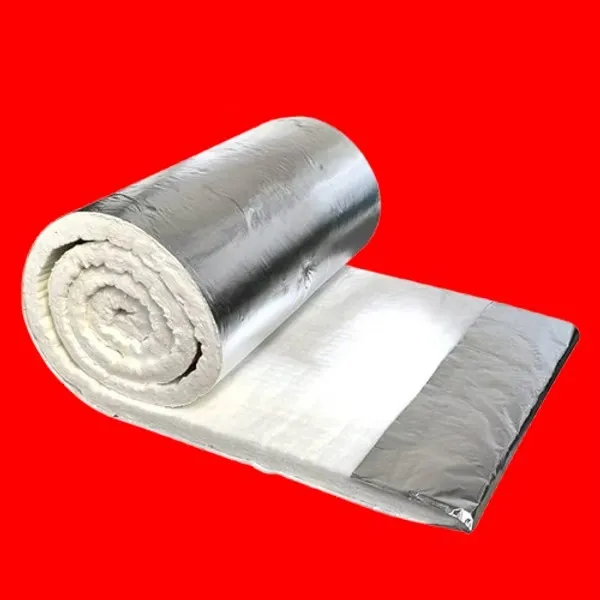
A practical alternative is aerogel thermal insulation, which provides excellent thermal resistance in a significantly thinner profile. By reducing insulation thickness without compromising performance, engineers can maximize usable space around cooling equipment while maintaining the required thermal efficiency. This is especially valuable in facilities where every square meter of technical space directly impacts operational flexibility and future scalability.
Another important consideration is condensation control. Cooling systems frequently operate below ambient temperatures, creating conditions where moisture can form on poorly insulated surfaces. Condensation around chilled water piping or HVAC components may damage nearby equipment, increase maintenance costs, and affect indoor environmental conditions. Properly designed insulation helps maintain stable surface temperatures, reducing the likelihood of unwanted moisture formation while supporting more reliable cooling performance.
Installation is also simplified when insulation materials can adapt to complex layouts. Cooling systems often include valves, pumps, elbows, flexible connectors, and numerous branch connections that require precise insulation coverage. Materials that conform easily to irregular shapes help contractors minimize thermal gaps while completing projects within tight construction or maintenance schedules. This becomes particularly valuable during live facility upgrades where downtime must be carefully controlled.
From a lifecycle perspective, improved insulation contributes to lower operating costs by reducing unnecessary cooling losses and helping mechanical systems operate more efficiently. Procurement teams evaluating Aerogel insulation suppliers in Bangalore often compare engineering support, installation practicality, and long-term performance rather than focusing solely on the initial purchase price. Reliable insulation can reduce maintenance requirements while supporting consistent environmental control throughout the life of the facility.
As data centers continue to expand, insulation selection plays an increasingly important role in achieving energy-efficient operations. Choosing advanced insulation materials that balance thermal performance with practical installation helps operators improve reliability while preparing facilities for future growth.
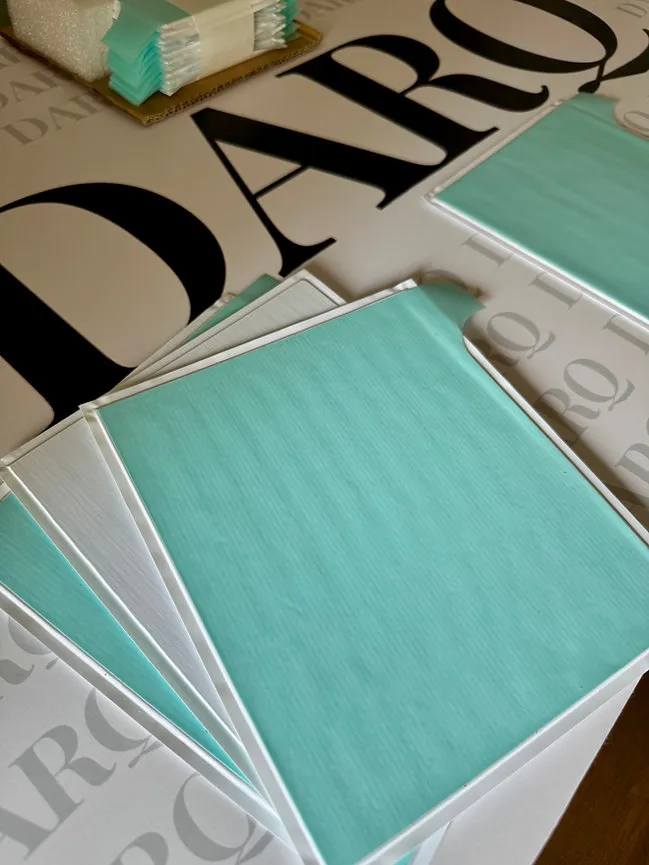
DARQ Industries supports consultants, contractors, and facility operators with insulation solutions for data center cooling infrastructure. Their technical expertise helps organizations select insulation systems that improve thermal efficiency, simplify installation, and deliver dependable long-term performance.


























Sign in to leave a comment.