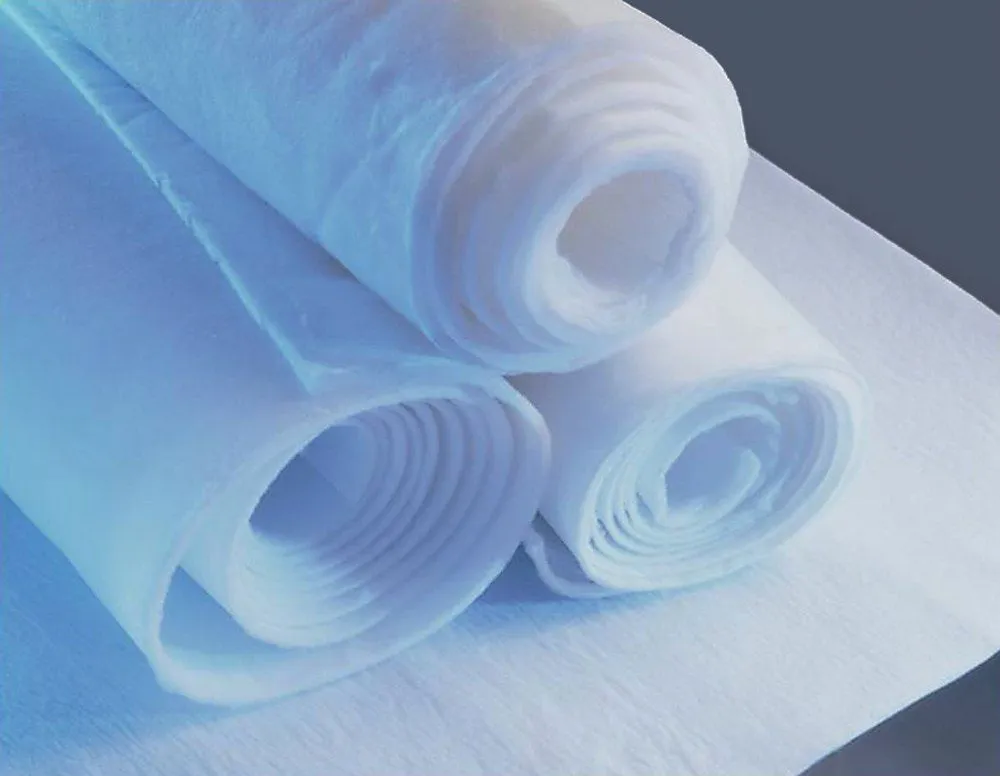

Mechanical rooms often become crowded as projects evolve, leaving very little space for effective insulation. Choosing the right material can improve thermal efficiency without increasing system size. This article explains how aerogel insulation helps overcome space limitations while supporting long-term operational performance.
Mechanical rooms, plant utilities, and process facilities frequently face one common challenge—limited installation space. As additional piping, valves, pumps, and equipment are introduced during upgrades or expansions, conventional insulation systems can become difficult to install without interfering with maintenance access or equipment clearances.
Traditional insulation materials usually require greater thickness to achieve the desired thermal performance. While this approach may work in open areas, it often creates difficulties around compact pipe networks, flanges, bends, and equipment located in confined service corridors. Increased insulation thickness can also complicate inspections, maintenance activities, and future modifications.
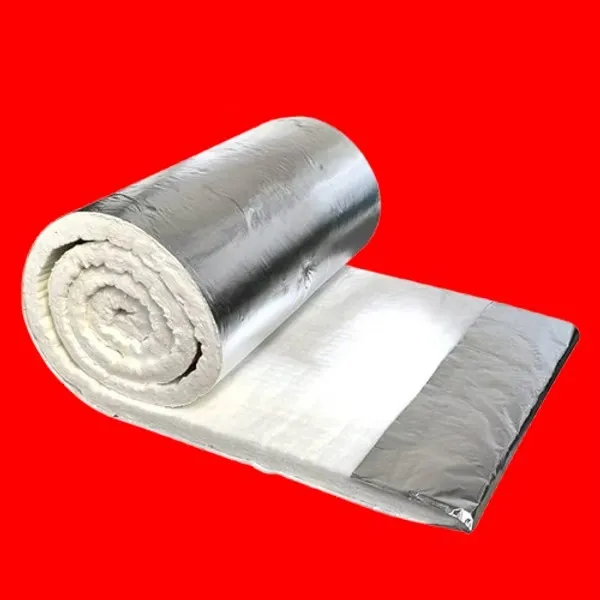
Modern projects increasingly demand insulation systems that provide strong thermal resistance without consuming valuable installation space. This is where aerogel insulation proves highly effective. Its advanced thermal properties allow engineers to achieve excellent insulation performance using significantly thinner sections compared to many conventional materials.
For retrofit projects, the benefit becomes even more practical. Existing pipe supports, brackets, and mechanical layouts often leave little flexibility for increasing insulation thickness. A thinner insulation solution helps improve energy efficiency without requiring expensive structural modifications or equipment relocation.
Another operational advantage is reduced system weight. Lightweight insulation places less load on supporting structures and simplifies handling during installation. Contractors working on shutdown schedules also appreciate materials that are easier to cut, fit, and install around complex mechanical components, helping projects stay on schedule.
Facilities operating at elevated temperatures benefit from improved heat retention while reducing unnecessary energy loss. Stable thermal performance also contributes to more comfortable working environments by lowering exposed surface temperatures where appropriate and supporting safer maintenance conditions.
When comparing thermal systems, decision-makers should evaluate more than just initial material cost. Installation complexity, maintenance accessibility, lifecycle energy savings, and operational reliability all influence the overall project value. Selecting the Best aerogel insulation for industrial use India can help reduce long-term operating expenses while supporting efficient plant performance for years to come.
Every industrial facility presents unique operating conditions, equipment layouts, and performance expectations. Material selection should therefore be based on engineering requirements rather than insulation thickness alone. A properly specified insulation system supports energy conservation, easier maintenance planning, and improved asset performance throughout the facility's lifecycle.
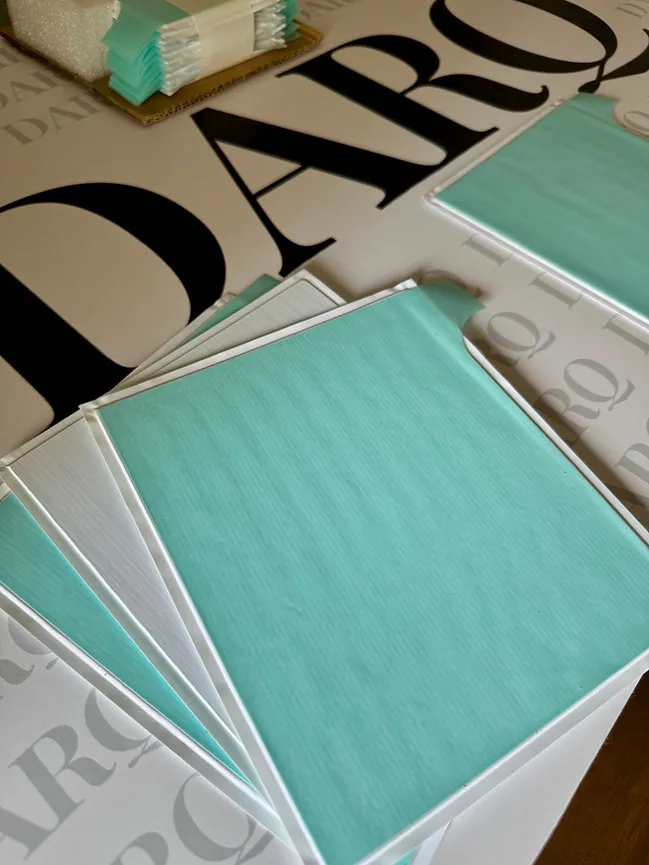
DARQ Industries works closely with project teams by providing technical consultation, insulation selection guidance, and practical recommendations tailored to industrial applications. Whether planning a new installation or upgrading an existing facility, our specialists are ready to support your thermal insulation requirements with dependable engineering expertise.



























Sign in to leave a comment.