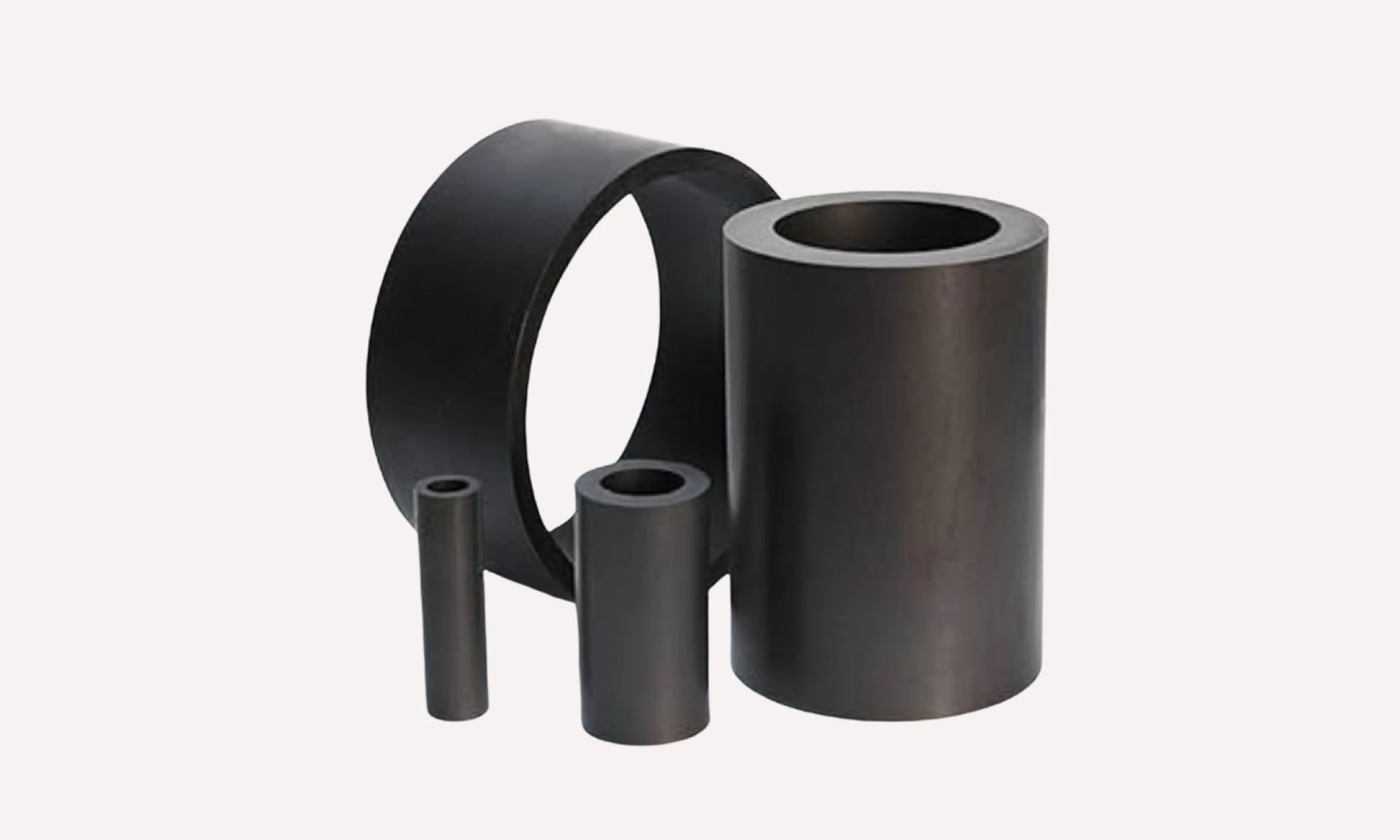

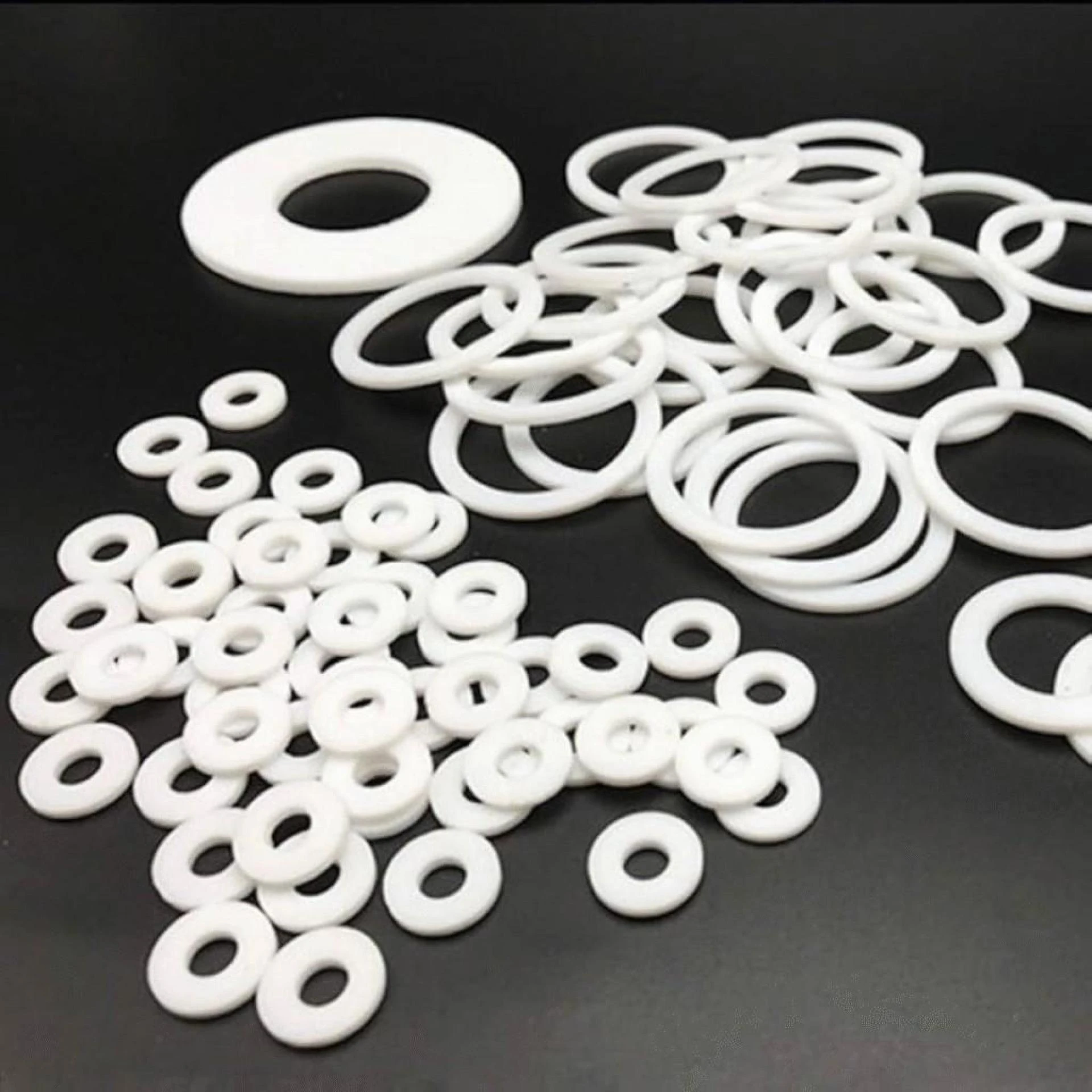
Carbon-filled PTFE is a high-performance engineering material widely used in industries that require strength, durability, and excellent resistance to heat and chemicals. By combining PTFE with carbon fillers, the material gains improved wear resistance, lower deformation under load, and better thermal stability. Because of these properties, Carbon-Filled PTFE is commonly used in bearings, seals, valve components, and electrical applications. However, machining and fabricating this material requires proper techniques to maintain its performance and dimensional accuracy.
This article explains the best practices for machining and fabricating carbon-filled PTFE parts in a simple and practical way. Manufacturers like Hindustan Polymer follow these methods to deliver reliable and high-quality components for industrial use.

Understanding the Nature of Carbon-Filled PTFE
Before machining, it is important to understand how carbon-filled PTFE behaves. Compared to virgin PTFE, this material is harder and more wear-resistant, but it still remains softer than many plastics and metals. It has a low coefficient of friction and is sensitive to heat buildup during machining.
Knowing these characteristics helps operators choose the right tools, speeds, and fabrication methods. Proper planning reduces errors and improves part quality.
Selecting the Right Grade of Material
Not all carbon-filled PTFE grades are the same. The percentage of carbon filler affects strength, conductivity, and wear resistance. Selecting the correct grade based on application needs is the first step in successful fabrication.
For example, higher carbon content is suitable for wear-resistant components, while lower carbon levels may be chosen for better flexibility. Trusted manufacturers like Hindustan Polymer guide customers in selecting the right Carbon-Filled PTFE grade for their specific requirements.
Using Sharp and Suitable Cutting Tools
Sharp cutting tools are essential when machining carbon-filled PTFE. Dull tools can cause tearing, rough surfaces, and dimensional inaccuracies. Carbide-tipped or high-speed steel tools are commonly recommended.
Tools should have proper clearance angles to reduce friction and heat generation. Clean, precise cuts ensure smoother surfaces and longer tool life, resulting in better finished parts.
Controlling Machining Speeds and Feeds
Machining speed and feed rate play a critical role in fabricating carbon-filled PTFE parts. High speeds can generate excess heat, leading to deformation or poor surface finish. On the other hand, very low speeds may cause material dragging.
Moderate cutting speeds with steady feed rates are ideal. Consistent tool movement helps maintain shape and reduces stress on the material. Experienced teams at Hindustan Polymer follow controlled machining parameters to achieve consistent results.
Managing Heat During Machining
Heat buildup is one of the biggest challenges when machining Carbon-Filled PTFE. Although the material can withstand high temperatures in use, localized heat during machining can affect accuracy.
Using air cooling or light coolant sprays can help manage heat without damaging the material. However, heavy liquid coolants are usually avoided, as they may not be necessary and can complicate the process.
Ensuring Proper Fixturing and Support
Carbon-filled PTFE is relatively soft compared to metals, so proper support during machining is important. Poor fixturing can cause vibration, bending, or distortion.
Using evenly distributed clamps and fixtures helps maintain dimensional stability. Gentle but firm holding ensures accuracy without damaging the material surface.
Following Clean and Dust-Controlled Practices
Machining carbon-filled PTFE produces fine carbon dust. Maintaining a clean work environment is important for both product quality and operator safety.
Proper dust extraction systems and regular cleaning help prevent contamination of parts and machinery. Clean practices also improve inspection accuracy during quality checks.
Precision in Tolerances and Finishing
Achieving tight tolerances requires careful control during machining. Carbon-filled PTFE can expand slightly due to temperature changes, so allowances should be made during finishing operations.
Finishing processes such as polishing or light sanding should be done carefully to maintain surface integrity. Smooth finishes improve part performance, especially in sealing and bearing applications.
Post-Machining Inspection and Testing
Inspection is a crucial step after fabrication. Measuring dimensions, checking surface finish, and testing mechanical properties ensure the part meets design specifications.
Reputed manufacturers like Hindustan Polymer perform thorough inspections to ensure every Carbon-Filled PTFE component meets quality standards before delivery.
Importance of Experienced Fabrication Partners
Machining carbon-filled PTFE requires expertise, proper equipment, and process knowledge. Working with an experienced fabrication partner ensures that best practices are followed throughout production.
Hindustan Polymer combines technical expertise with quality control to deliver reliable carbon-filled PTFE parts for various industrial applications.
Conclusion
Carbon-filled PTFE is a valuable material for demanding industrial environments, but its performance depends greatly on how it is machined and fabricated. By selecting the right grade, using sharp tools, controlling heat, and maintaining proper machining practices, manufacturers can produce high-quality components with excellent durability and accuracy.
Following these best practices ensures that Carbon-Filled PTFE parts perform reliably over time. With professional manufacturers like Hindustan Polymer, industries can be confident in receiving precision-engineered components that meet both functional and quality expectations.




























Sign in to leave a comment.