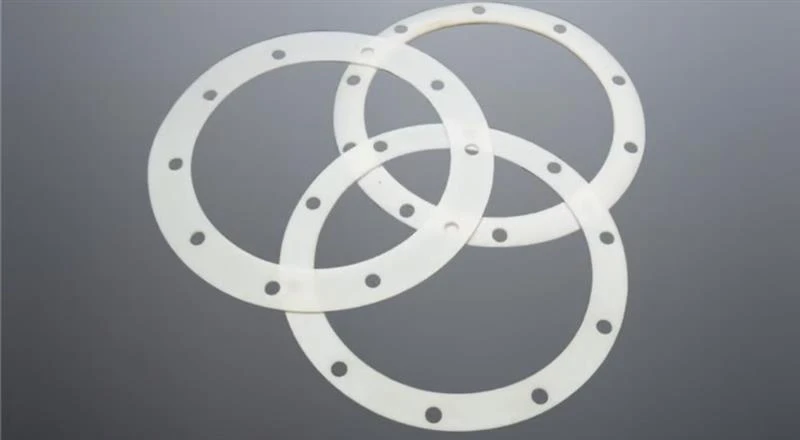

Choosing the right gasket is critical for the safety, efficiency, and durability of any industrial system. Gaskets play a key role in sealing joints, preventing leaks, and maintaining pressure in pipelines and equipment. Among various sealing materials available today, the PTFE Gasket is widely preferred due to its excellent chemical resistance, temperature stability, and long service life. However, not all PTFE gaskets are the same, and selecting the right one requires a clear understanding of your application needs.
This guide explains how to select the best PTFE gasket for your application in a simple and practical way.

Understanding What a PTFE Gasket Is
A PTFE gasket is made from polytetrafluoroethylene, a synthetic fluoropolymer known for its non-reactive nature. It is commonly used in industries such as chemical processing, pharmaceuticals, food and beverage, oil and gas, and power plants. The biggest advantage of a PTFE gasket is its ability to withstand aggressive chemicals and extreme temperatures without losing performance.
Before choosing a PTFE gasket, it is important to understand where and how it will be used.
1. Identify the Operating Temperature Range
Temperature is one of the first factors to consider. PTFE gaskets can perform well in both high and low temperatures, usually ranging from very low cryogenic levels up to around 260°C. However, continuous exposure to high temperatures can affect sealing performance over time.
When selecting a PTFE gasket, always check the maximum and minimum operating temperature of your system. Make sure the gasket material can handle temperature fluctuations without becoming brittle or deformed.
2. Check Chemical Compatibility
One of the strongest reasons for choosing a PTFE gasket is its excellent chemical resistance. PTFE is compatible with most acids, alkalis, solvents, and corrosive fluids. However, it may not perform well with certain molten alkali metals or fluorine gas at high temperatures.
Carefully analyze the chemicals flowing through your system. A proper chemical compatibility check ensures that the PTFE gasket will not degrade, swell, or fail prematurely.
3. Understand Pressure Requirements
Pressure conditions directly affect gasket selection. While PTFE gaskets handle moderate pressure well, very high-pressure applications may require filled or reinforced PTFE grades to prevent creep and deformation.
If your system operates under high pressure, consider using a modified or filled PTFE gasket. These options provide better strength and improved sealing performance compared to virgin PTFE.
4. Choose the Right Type of PTFE Gasket
PTFE gaskets are available in different forms, and each type serves a specific purpose:
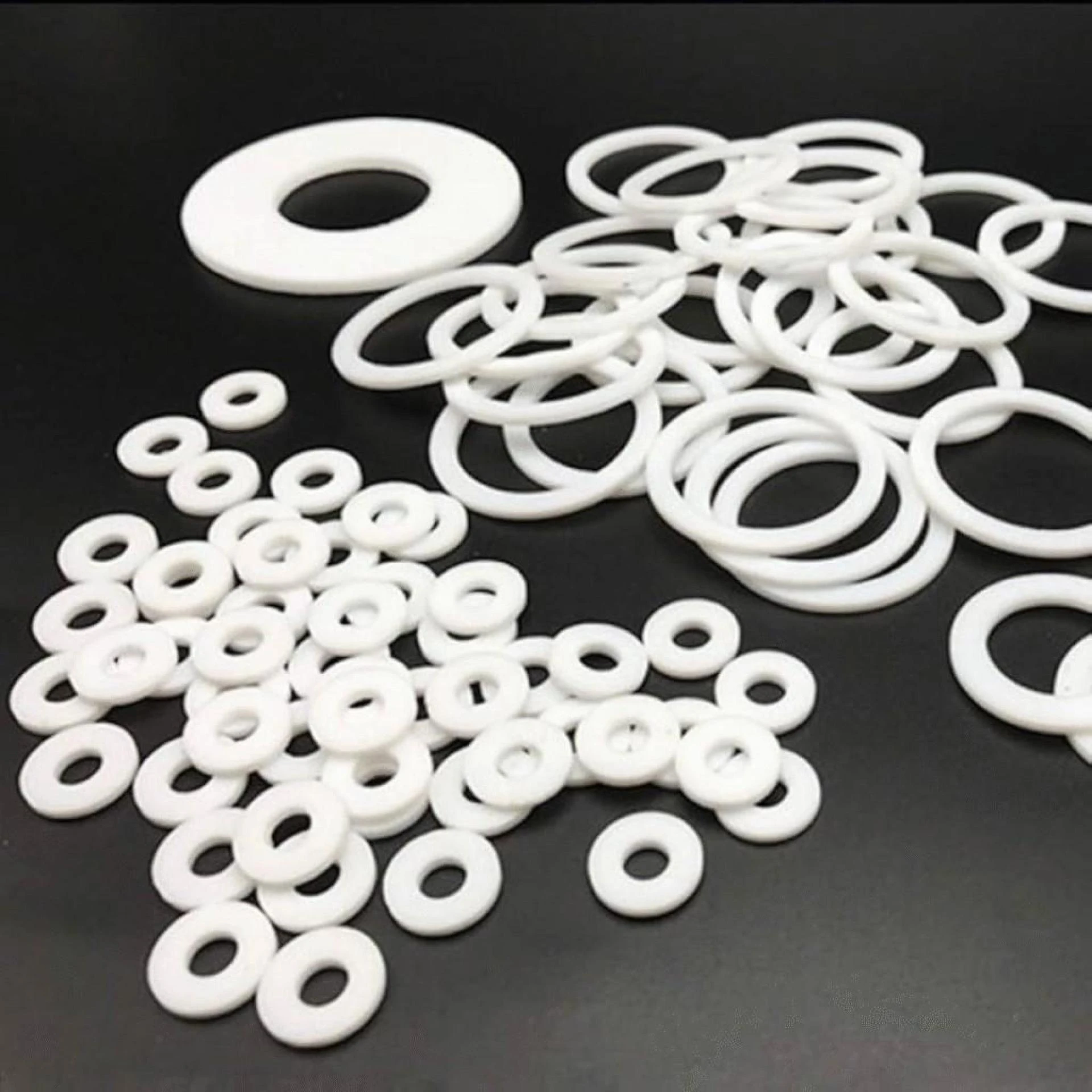
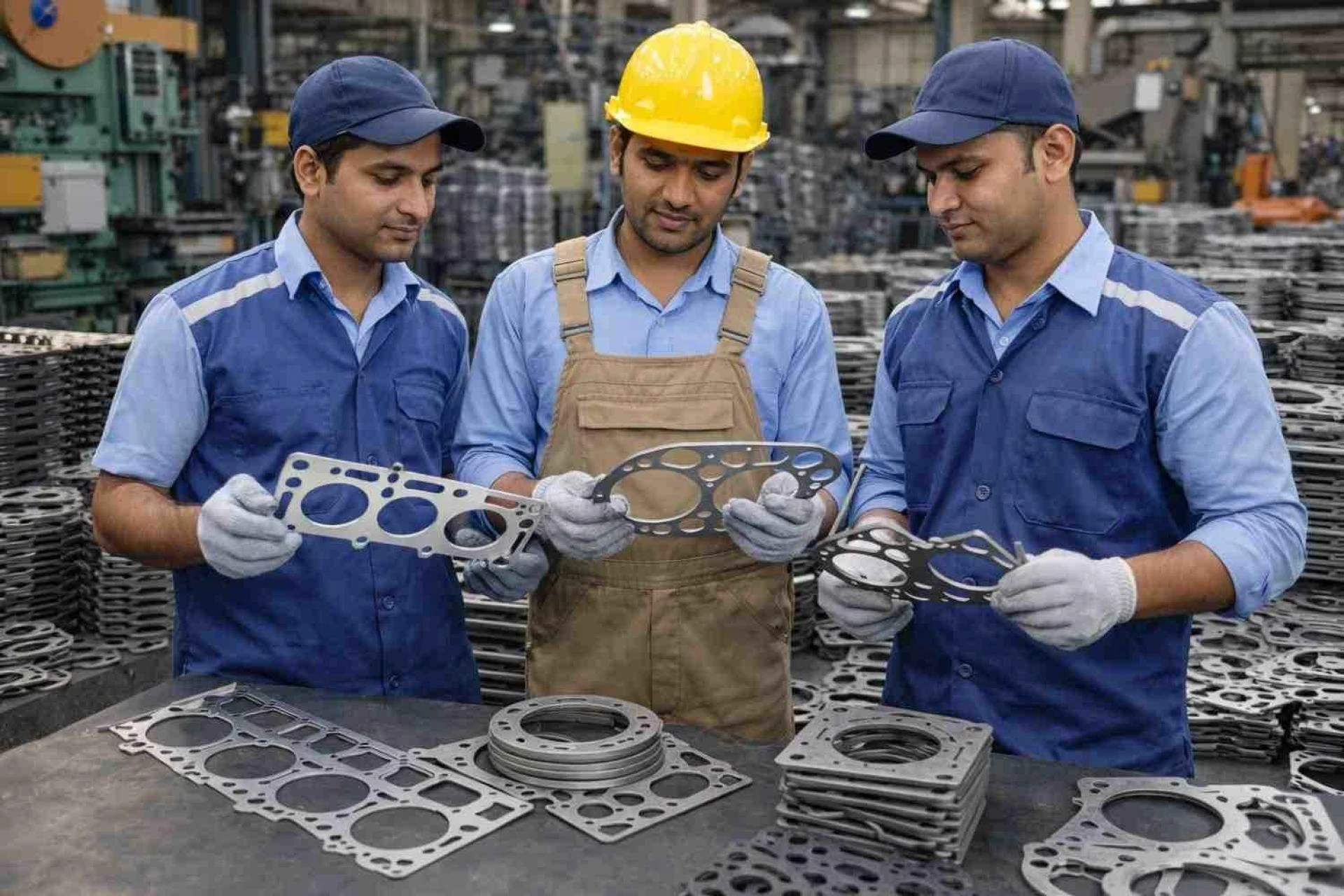
- Virgin PTFE Gasket: Best for high-purity and food-grade applications
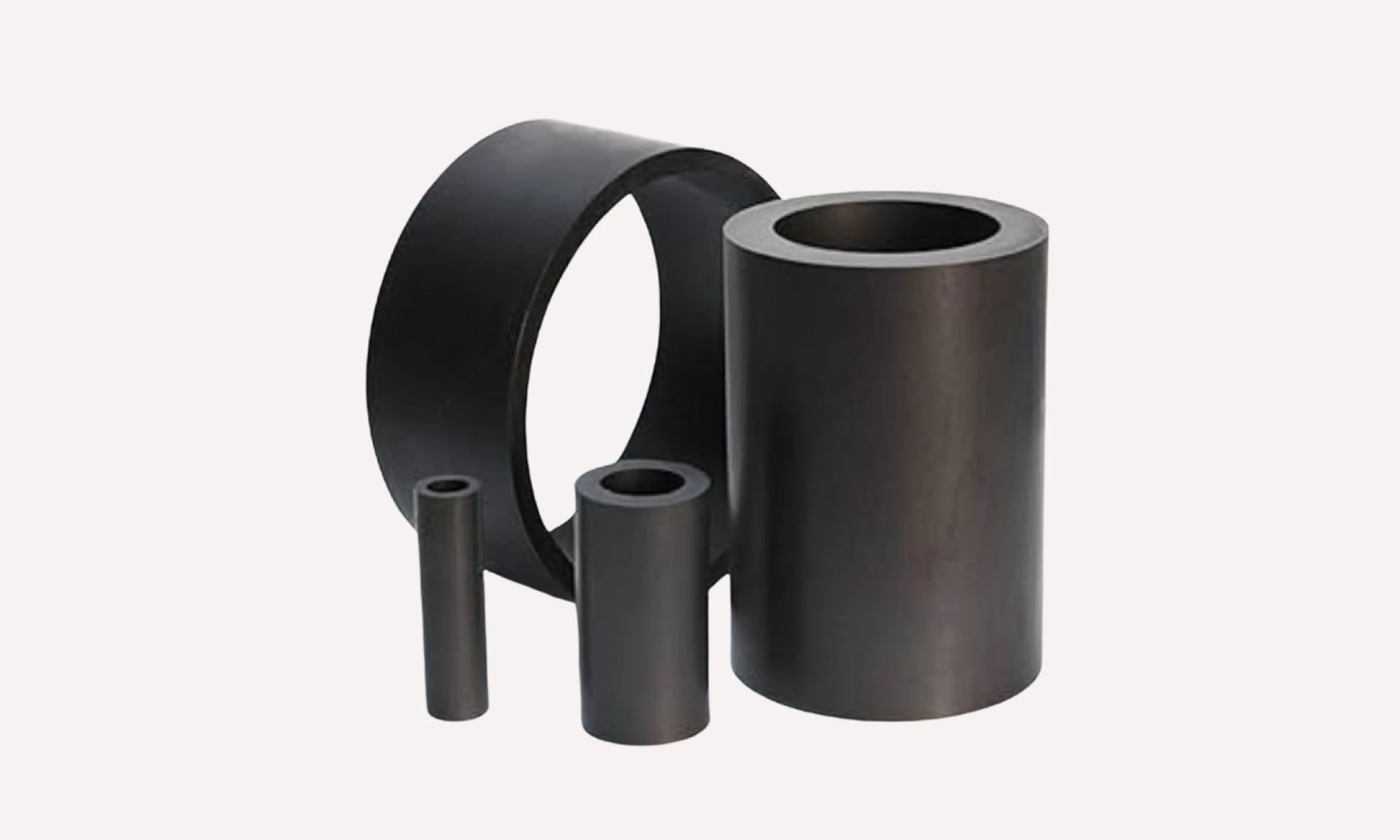
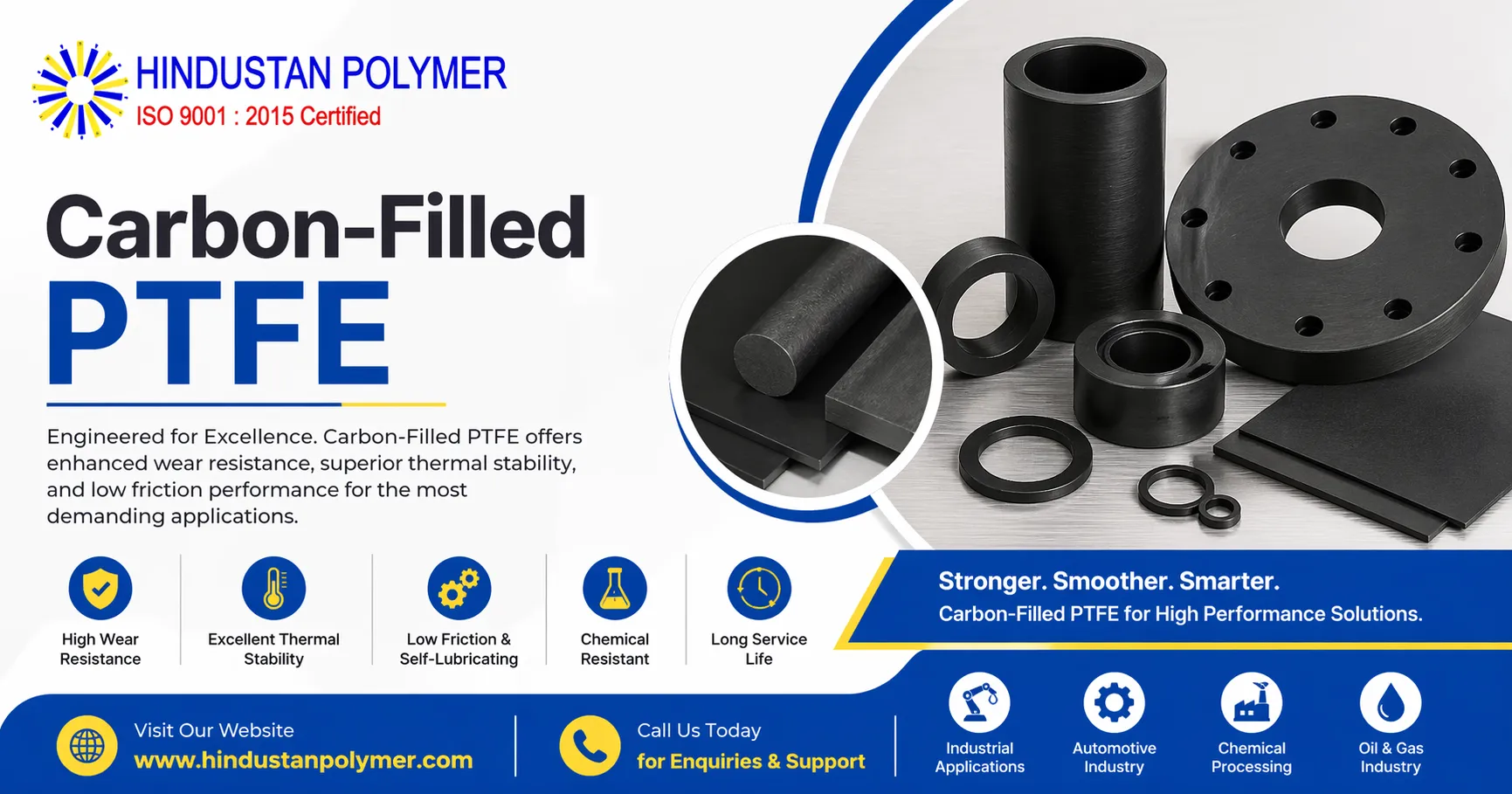
- Filled PTFE Gasket: Contains fillers like glass, carbon, or bronze for added strength
- Expanded PTFE Gasket: Ideal for irregular or damaged flange surfaces
- PTFE Envelope Gasket: Combines PTFE with a soft core for flexibility and chemical resistance
Selecting the right type depends on flange condition, pressure, temperature, and chemical exposure.
5. Consider Flange Surface and Design
The condition and design of flange surfaces play an important role in gasket performance. Smooth and flat flanges work well with most PTFE gaskets, while uneven or damaged flanges may require expanded PTFE for better sealing.
Also, ensure that the gasket dimensions match the flange specifications. Incorrect sizing can lead to leaks, blowouts, or uneven pressure distribution.
6. Evaluate Regulatory and Industry Standards
Many industries must comply with specific safety and quality standards. For example, food and pharmaceutical applications often require FDA-compliant materials. Chemical and industrial sectors may need gaskets that meet ASTM or other international standards.
Always confirm that the selected PTFE gasket meets the regulatory requirements of your industry. Reputable manufacturers provide proper documentation and quality assurance.
7. Focus on Long-Term Performance and Maintenance
While PTFE gaskets may have a higher initial cost compared to rubber or fiber gaskets, they often offer better long-term value. Their resistance to wear, corrosion, and chemical attack reduces downtime and maintenance costs.
Choosing a high-quality PTFE gasket from a trusted manufacturer ensures consistent performance and longer service life. Companies like Hindustan Polymer focus on precision manufacturing and material quality, helping industries achieve reliable sealing solutions.
8. Consult Experts When Needed
If your application involves complex conditions such as extreme pressure, fluctuating temperatures, or aggressive chemicals, consulting gasket experts is always a smart move. Professional guidance can help you avoid costly mistakes and ensure optimal gasket selection.
Manufacturers and suppliers with strong technical support can recommend the most suitable PTFE gasket based on your exact requirements.
Why the Right PTFE Gasket Matters
Using the wrong gasket can lead to leaks, equipment damage, safety hazards, and production losses. A properly selected PTFE gasket ensures a tight seal, protects equipment, and improves overall system efficiency.
The right choice not only enhances performance but also increases safety and compliance with industry standards.
Conclusion
Selecting the best PTFE Gasket for your application is about understanding operating conditions, material compatibility, pressure limits, and flange design. By carefully evaluating these factors, you can choose a gasket that delivers reliable performance and long-term value.
Investing in quality materials and working with experienced manufacturers like Hindustan Polymer ensures that your sealing solutions meet both technical and operational demands. With the right PTFE gasket in place, you can achieve safer operations, reduced maintenance, and improved system reliability.



























Sign in to leave a comment.