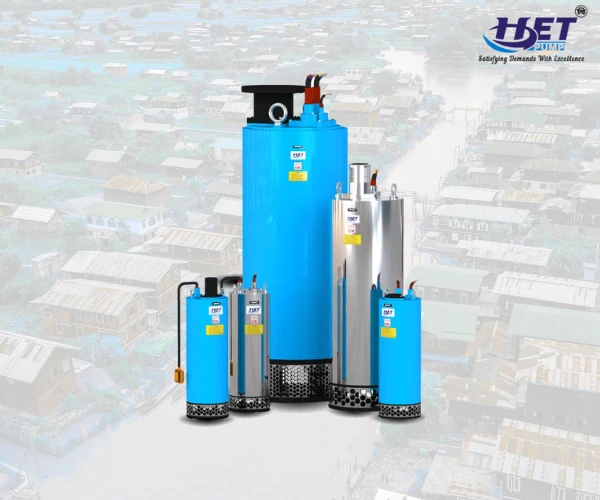
Drainage pumps play a crucial role in industrial environments where water removal is critical—especially in settings exposed to extreme temperatures, abrasive materials, and chemical contaminants. In such harsh conditions, proper maintenance is not just beneficial—it’s essential to ensure consistent performance, avoid breakdowns, and extend equipment lifespan.
1. Routine Inspection and Cleaning
Regular visual inspections should be the first line of defense. Check for blockages, wear, or damage on the impeller, casing, and seals. Harsh environments often accelerate the accumulation of sludge and debris, which can clog even the most robust dewatering pump systems. Cleaning the pump housing and surrounding area helps prevent these issues and maintains operational efficiency.
2. Monitor Seal and Bearing Integrity
In aggressive applications, seals and bearings endure constant pressure. Any deterioration in these components can quickly lead to pump failure. An eco submersible dewatering pump, for example, is designed with improved sealing systems to handle submersion and contamination. However, even these models benefit from scheduled lubrication checks and proactive seal replacement.
3. Ensure Proper Electrical Connections
Electrical reliability is key in demanding conditions. Corrosion or moisture infiltration in connections can lead to short circuits or complete shutdowns. Use weatherproof enclosures and test voltage regularly. Submersible pumps, including eco-efficient models, often include features like overload protection, but external precautions are still vital.
4. Implement a Preventive Maintenance Schedule
Rather than waiting for a failure, create a calendar-based maintenance program. Include performance monitoring tasks such as flow rate checks and vibration analysis. Over time, this data can reveal early signs of mechanical or hydraulic issues, enabling timely intervention.
5. Choose the Right Pump for the Environment
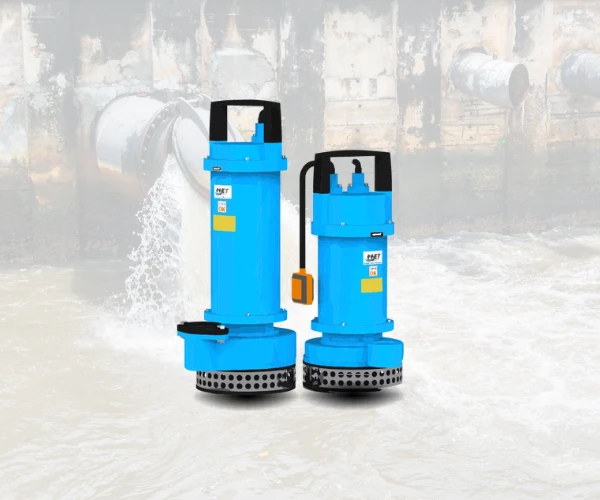
Not all drainage pumps are built for all environments. Selecting the correct equipment—like an eco submersible dewatering pump for water with low environmental impact—ensures better durability and performance. These pumps are typically engineered with energy-efficient motors and corrosion-resistant materials, making them ideal for challenging industrial applications.
6. Train Personnel for Harsh-Condition Maintenance
Pump maintenance isn’t always intuitive, especially in hostile work conditions. Providing technical training to maintenance teams helps ensure that procedures are followed accurately, reducing human error and improving the lifespan of your dewatering pump system.
Conclusion
Maintenance in harsh environments demands a proactive, well-informed approach. By following these best practices, facility managers can significantly reduce downtime and protect their investment. Choosing the right pump—such as an eco submersible dewatering pump—is only part of the solution. Ongoing maintenance ensures that this investment continues to deliver reliable performance in even the most demanding conditions.
Sign in to leave a comment.