Industrial wastewater systems operate under demanding conditions. Whether it's heavy solids, corrosive chemicals, or fluctuating volumes, pumping equipment is pushed to its limits daily. Over time, even the most well-maintained systems may encounter performance issues. Understanding common pumping problems—and how to prevent or address them—can significantly reduce downtime, increase efficiency, and protect the integrity of the entire wastewater infrastructure.
1. Clogging and Blockages
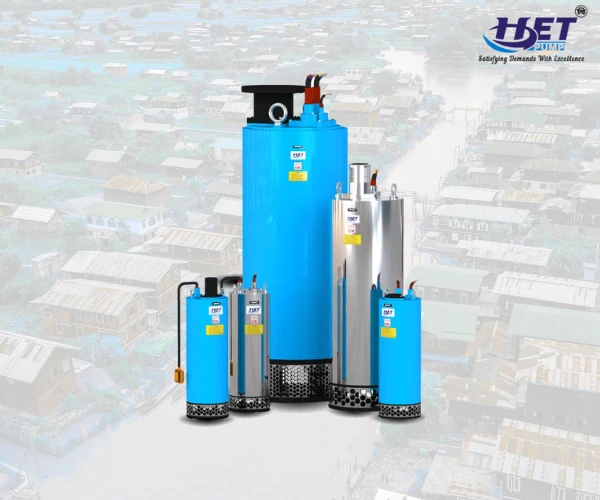
|One of the most frequent issues in industrial wastewater systems is clogging. Pumps handling large volumes of sludge, fibers, or solid particles are especially at risk. This is particularly true for submersible sewage pumps, which are often used in environments with high solid content.
Blockages can reduce flow rates, increase energy consumption, and cause mechanical failures. Using pumps with larger impellers, cutter mechanisms, or non-clog designs can help mitigate this issue.
2. Pump Cavitation
Cavitation occurs when the pressure inside the pump drops below the vapor pressure of the liquid, causing bubbles to form and collapse inside the pump. This can lead to noise, vibration, damage to impellers, and overall performance degradation.
Cavitation is often caused by improper pump selection, incorrect suction head, or blockages in the suction line. Ensuring proper pump sizing and installation is key to avoiding this problem.
3. Seal and Bearing Failures
Industrial pumps are exposed to harsh fluids and extreme working conditions. Seals and bearings are particularly vulnerable and can wear out prematurely if exposed to abrasive materials or run dry.
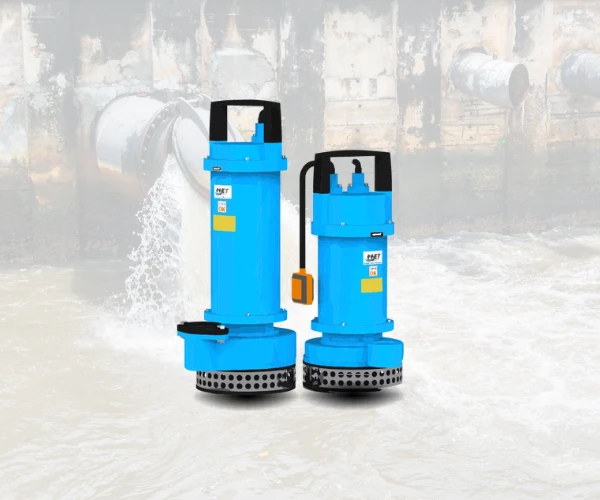
In applications like light-to-moderate greywater or stormwater drainage, using equipment like an eco submersible drainage pump helps reduce wear and tear, especially when selecting models built with corrosion-resistant materials and reliable sealing systems.
4. Overheating
Overheating is a common issue, particularly with submersible pumps. If the motor runs continuously without proper cooling, it can suffer from thermal damage. This is often the case when a pump operates in dry or semi-dry conditions without sufficient liquid to dissipate heat.
Some modern pumps are equipped with thermal protection systems or float switches to shut the unit off when levels are too low, helping extend the equipment’s lifespan.
5. Inefficient Pump Operation
Pumps that are too large, too small, or not optimized for the fluid type may operate inefficiently. This results in excessive energy use, poor flow rates, and increased maintenance costs.
For instance, using a submersible sewage pump in the wrong application—like handling mostly clean water—can waste energy and reduce pump life. Likewise, choosing an eco submersible drainage pump for areas with heavy sludge would lead to performance issues. The key is selecting the right pump type based on the specific nature of the wastewater.
6. Corrosion and Erosion
Chemical-laden or abrasive wastewater can corrode metal components over time, compromising the pump’s structure and performance. This is a common issue in chemical manufacturing, mining, and food processing industries.
Choosing pumps with protective coatings or made from corrosion-resistant materials (such as stainless steel or special polymers) is essential in these environments.
Proactive Maintenance and Smart Pump Selection
To reduce these common pumping problems, industries must focus on:
- Routine inspections and preventive maintenance
- Training staff on early warning signs of pump failure
- Using quality equipment suited for the application
- Investing in energy-efficient and durable pump models
Pumps like the eco submersible drainage pump offer a reliable and efficient option for general dewatering and light wastewater applications. Similarly, a high-quality submersible sewage pump is essential for handling tougher sludge and solids in centralized treatment areas.
Conclusion
Industrial wastewater systems are only as strong as their weakest component—and often, that weak point is the pump. By understanding common pumping problems and choosing the right solutions, industries can reduce downtime, improve performance, and extend equipment life.
Whether you're managing greywater runoff, chemical waste, or solid-heavy sewage, selecting the right pump—such as an eco submersible drainage pump for light-duty applications or a submersible sewage pump for heavy loads—can make all the difference in long-term reliability and operational efficiency.

























Sign in to leave a comment.